Afghanistan Says It Killed 28, Captured 32 Fighters It Claims Crossed From Pakistan
Afghanistan's Taliban administration says its forces killed 28 fighters and captured 32 others in Nuristan's Kamdesh district on September 26, alleging the group — some tied to Islamic State — was trained and sent across the border by Pakistan. Islamabad calls the claim baseless.
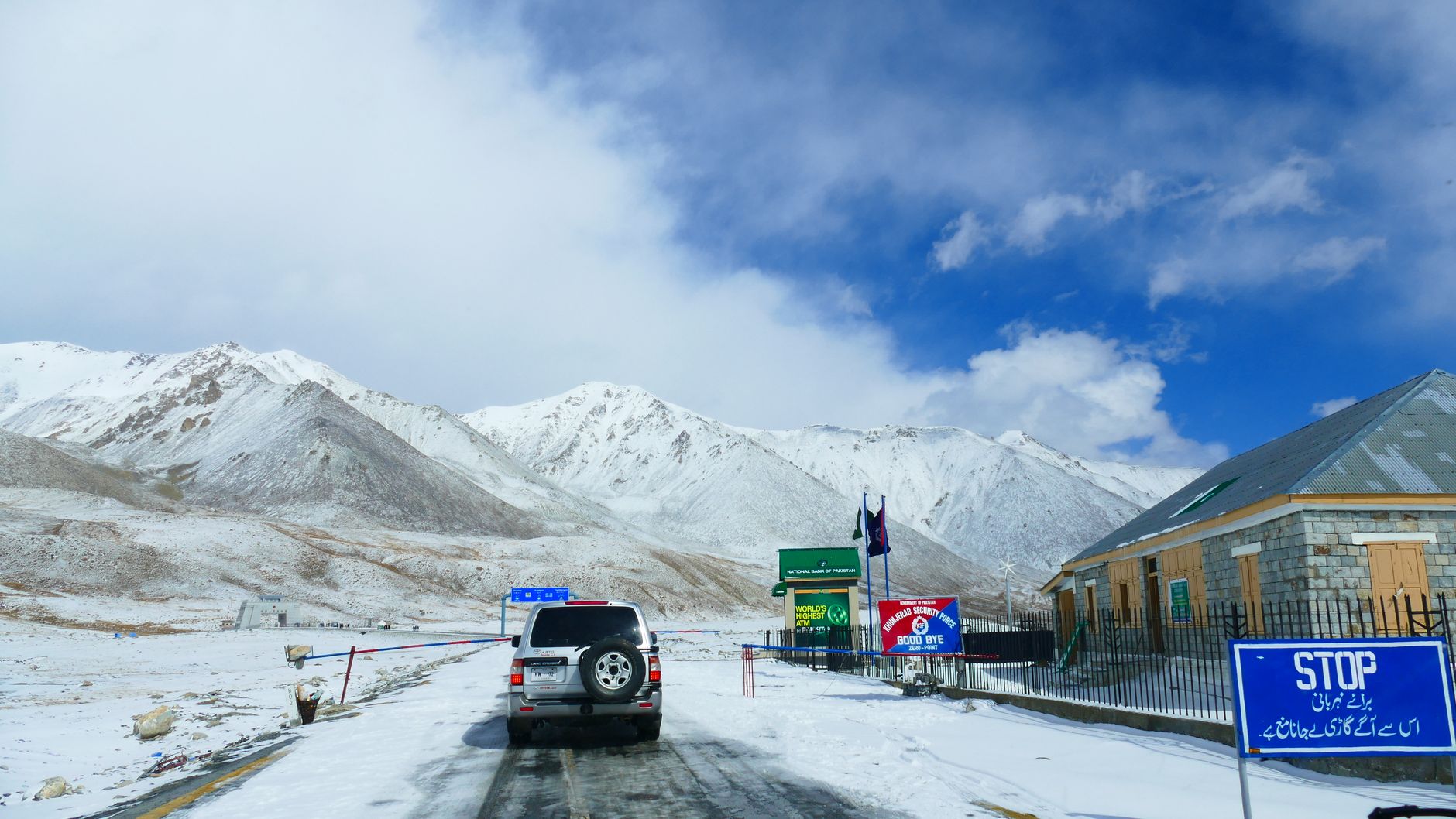
Photo by Kamal Hyder / Pexels
Afghanistan's Taliban administration said on September 27 that its forces killed 28 fighters and captured 32 others in an operation a day earlier in Kamdesh district, in the northeastern province of Nuristan, alleging the group included Islamic State-affiliated militants that Pakistan had trained and sent across the border. Pakistan's government rejected the allegation outright.
What Afghanistan is claiming
Afghanistan's Ministry of Defence said the fighters were killed or captured on September 26 in Kamdesh, a district in Nuristan that borders Pakistan's northern Chitral district. Kabul alleged that several Islamic State-affiliated groups had been sent from Pakistan with the support of Pakistani authorities "with the aim of carrying out acts of subversion and creating insecurity." The ministry went further, alleging the men had been taken to camps established by Pakistan's military and intelligence agencies, given brief military training, and then sent back into Afghanistan specifically to destabilise parts of Nuristan.
Pakistan's denial
Pakistan's Ministry of Information dismissed the account as "frivolous, baseless and devoid of any truth," saying Pakistan "categorically rejects" any suggestion that its security forces or intelligence agencies had a role in the Nuristan clashes or in militant activity elsewhere in Afghanistan. Build Better Pakistan could not independently verify either side's account of who the fighters were, who trained them, or how the fighting in Kamdesh actually unfolded.
Part of a wider pattern of accusation and counter-accusation
The framing here is a reversal of the pattern that has dominated most of September's border incidents, in which Pakistan has typically accused Kabul of sheltering Tehreek-e-Taliban Pakistan fighters who then stage attacks on Pakistani soil — the accusation behind Pakistan's 10-site retaliatory airstrikes in Khost, Paktia and Kandahar on September 24, the Gulistan sector clash near Chaman on September 25, and an earlier infiltration attempt repelled in Kurram on September 22-23. Kabul's Nuristan allegation inverts that script, accusing Islamabad of exporting instability into Afghan territory rather than merely tolerating militants who attack Pakistan.
Why the geography matters
Nuristan sits well north of the Khyber Pakhtunkhwa and Balochistan districts where most of this year's border incidents have concentrated, bordering Chitral rather than the more frequently contested crossings near Torkham or Chaman. An incident this far north — on top of strikes that already reached as far south as Kandahar earlier in September — points to a frontier confrontation that is widening in geographic scope even as neither side's core narrative about who started it has moved an inch.
The costs keep compounding regardless of who is right
Whatever the true sequence of events in Kamdesh, the diplomatic damage lands the same way it has after each of September's incidents: trade and transit routes between the two countries stay disrupted, and a Pakistani security establishment already stretched by sustained counter-militancy operations in Balochistan now has one more front demanding attention. Regional mediators from China, Turkey, Qatar and Saudi Arabia have spent much of the year trying to broker a durable de-escalation framework between Islamabad and Kabul; a dispute over an incident as far north as Nuristan, layered on top of unresolved claims from strikes further south, gives that effort a wider and more complicated map to work with.
Build Better Pakistan's Foreign Desk is tracking developments along the Pakistan-Afghanistan border and will update this piece as verified details emerge.
This article is part of our Security coverage — Public safety, policing and community trust.
Frequently Asked Questions
- What did Afghanistan say happened in Nuristan?
- Afghanistan's Ministry of Defence said its forces killed 28 fighters and captured 32 others on September 26 in Kamdesh district, Nuristan province, describing the group as including alleged Islamic State-affiliated militants it says crossed into Afghanistan from Pakistan.
- How has Pakistan responded to the allegation?
- Pakistan's Ministry of Information rejected the claim as "frivolous, baseless and devoid of any truth," and said Pakistan categorically denies that its security forces or intelligence agencies were involved in the Nuristan clashes or any similar activity inside Afghanistan.
Related Reading
11 Children Hurt as School Van's Brakes Fail, Catches Fire in Murree
A private school van went off Sign Road in Murree's Masiari area on September 29 after its brakes failed, then caught fire. Eleven children were injured, four critically, and police say the van was carrying no fire extinguisher. Punjab's chief minister has ordered vehicle fitness checks on rural school transport.
BBP Security Desk · September 29, 2026 · 3 min

Explosion Destroys Hotel on Mastung's National Highway Stretch
A blast levelled the Madina Hotel in Mastung's Khadkocha area late on September 28, shattering windows and destroying an adjoining shop and more than 250 solar panels. No one was inside, and police are treating it as a suspected IED attack in a district with a recent run of militant incidents.
BBP Security Desk · September 29, 2026 · 4 min
Gunmen Kill Three Traffic Police in Tank, Snatch Then Abandon Their Vehicle
Motorcycle-borne attackers opened fire on a traffic police van in Tank's Wazirabad Bazaar on September 28, killing three officers and wounding two bystanders before fleeing with the vehicle, which police recovered nearby. No group has claimed the attack, but investigators suspect the Tehrik-e-Taliban Pakistan.
BBP Security Desk · September 28, 2026 · 3 min