Petrol Falls to Rs387.54, Diesel to Rs402.24 in Second Straight Price Cut
The government cut petrol by Rs1.49 and high-speed diesel by Rs2.73 per litre for the fortnight starting September 30, the second consecutive reduction as retreating global oil prices bring the cumulative cut to Rs3.76 and Rs6.29 per litre respectively.
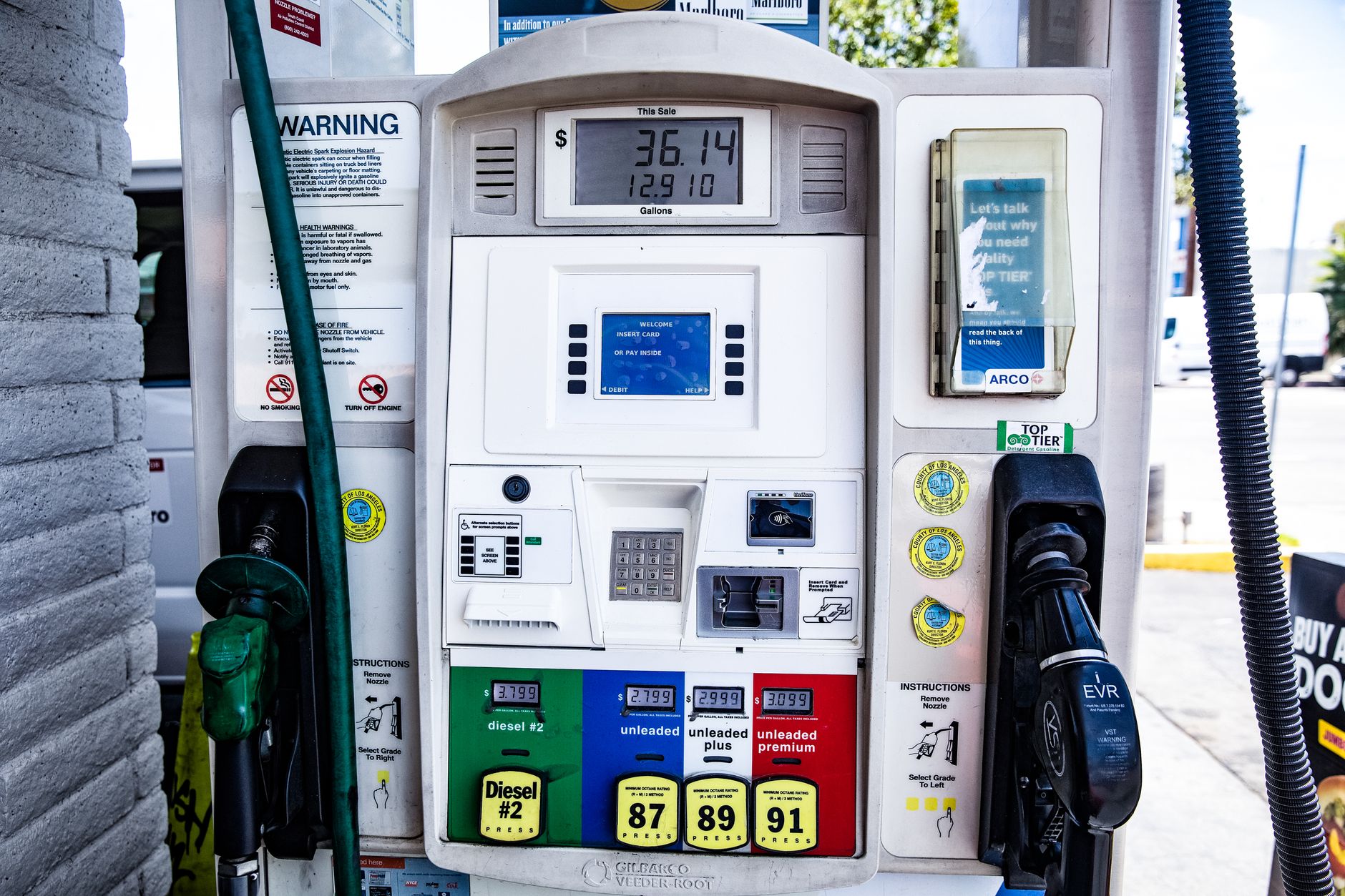
Photo by Ekaterina Belinskaya / Pexels
The government cut petrol prices by Rs1.49 per litre and high-speed diesel by Rs2.73 per litre for the fortnight starting September 30, 2026, bringing the new pump prices to Rs387.54 for petrol and Rs402.24 for diesel. It is the second straight reduction in consecutive fortnightly reviews, taking the cumulative decline to Rs3.76 per litre for petrol and Rs6.29 per litre for diesel across the two adjustments.
What changed this cycle
The Finance Ministry's notification, based on OGRA's ex-refinery price computation, applies from September 30 through the middle of October. Diesel — the fuel that moves freight, agricultural machinery and public transport, and so feeds directly into transport costs across the economy — saw the larger cut in both percentage and absolute terms, continuing a pattern from the previous review where diesel also fell by more than petrol.
Why prices are easing
The reduction tracks a retreat in international crude prices. Global oil markets spiked earlier in September after President Trump rejected a proposed Iranian de-escalation offer over the Strait of Hormuz and signalled bombing would resume, a move we covered in detail at the time. Since then, trader expectations of an eventual US-Iran settlement have pulled Brent crude back down from its highs, and Pakistan's fortnightly pricing formula — which passes changes in the international ex-refinery cost directly into the domestic notified price — has now reflected two rounds of that retreat in a row.
How this sits against the relief scheme
The notified price is separate from the government's Rs100-per-litre fuel relief scheme, which subsidises pump prices below the notified rate and was running Rs10 billion a month over its original budget as of the last review. A falling notified price does not by itself reduce what the relief scheme costs the government per litre, since the subsidy is calculated as the gap between the notified price and the discounted price motorists actually pay at the pump; whether the narrower notified price this cycle changes that per-litre gap has not been detailed in the government's announcement.
The bigger picture
Pakistan imports the bulk of its refined fuel and crude, which means pump prices here move with a lag behind whatever is happening in the Gulf. Our previous coverage of the September 22 review came before the Hormuz standoff escalated; this review is the first full accounting of prices coming back down since that spike. For a full explanation of how Pakistan's fortnightly pricing mechanism works — from ex-refinery cost to the retail price at the pump — see our fuel pricing explainer.
Motorists should not expect the relief to be permanent or linear: the same formula that delivered two consecutive cuts will just as quickly reverse them if Hormuz tensions flare again before the next review in mid-October.
Build Better Pakistan's Energy Desk tracks every fortnightly OGRA price review and will update this piece when the next notification is announced.
This article is part of our Energy coverage — Circular debt, load-shedding and the push toward a reliable power grid.
Frequently Asked Questions
- What are the new petrol and diesel prices in Pakistan from September 30, 2026?
- Petrol fell by Rs1.49 per litre to Rs387.54, and high-speed diesel fell by Rs2.73 per litre to Rs402.24, effective from September 30 for the new fortnightly pricing period.
- Why did fuel prices come down again?
- This is the second consecutive fortnightly reduction, bringing the cumulative cut to Rs3.76 per litre for petrol and Rs6.29 per litre for diesel. The cuts track a retreat in global crude prices, tied to expectations of an easing in the US-Iran standoff over the Strait of Hormuz, which had earlier pushed Brent crude higher.
Related Reading
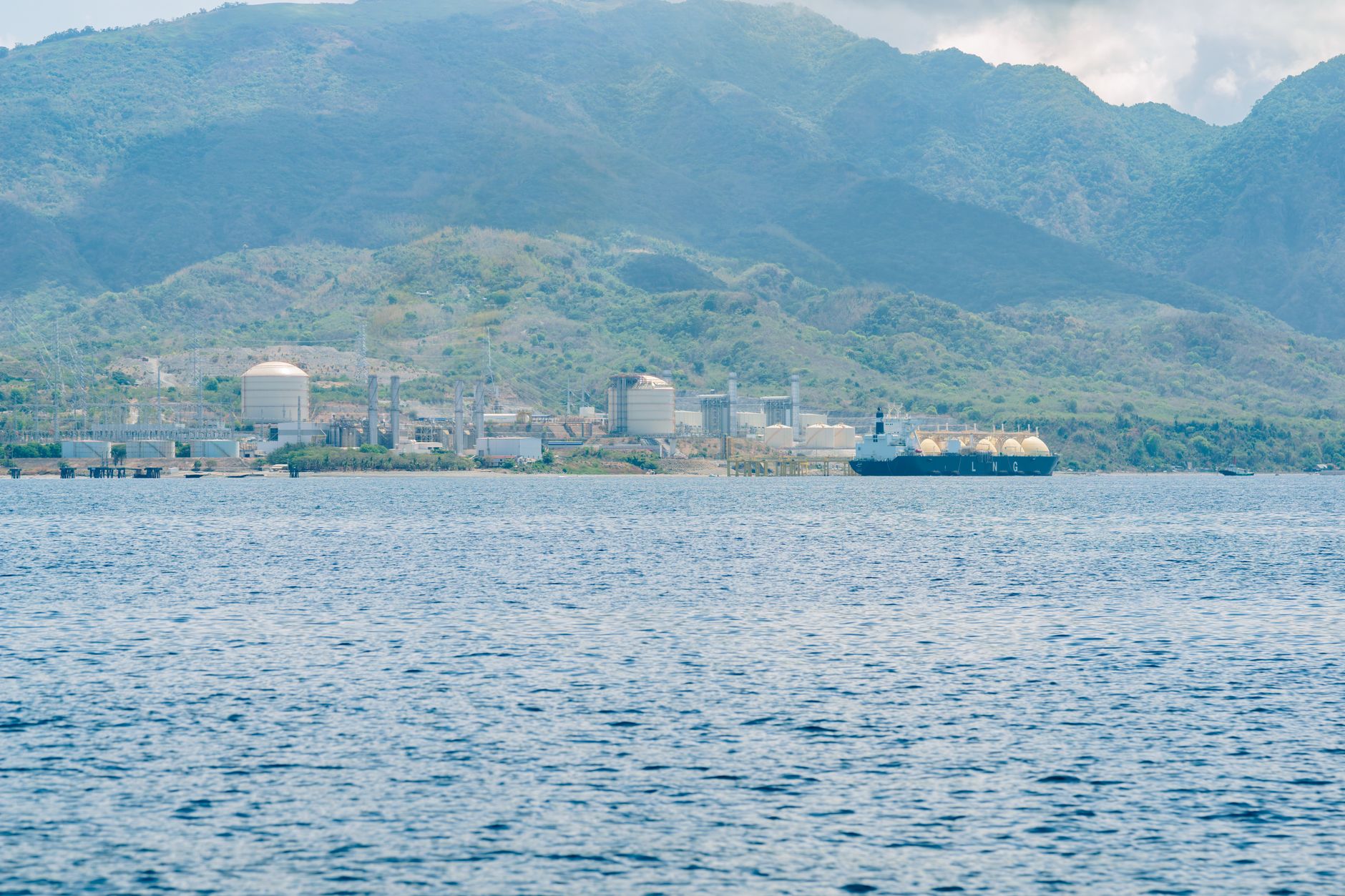
Pakistan Negotiated Directly With Iran to Get Its Second September LNG Cargo Through Hormuz
Pakistan secured passage for a second Qatari LNG cargo through the Strait of Hormuz this month by negotiating directly with Iran — the third time this year Islamabad has struck its own side deal to keep gas moving, after Iranian strikes knocked out 17% of Qatar's export capacity in March.
BBP Energy Desk · September 29, 2026 · 4 min
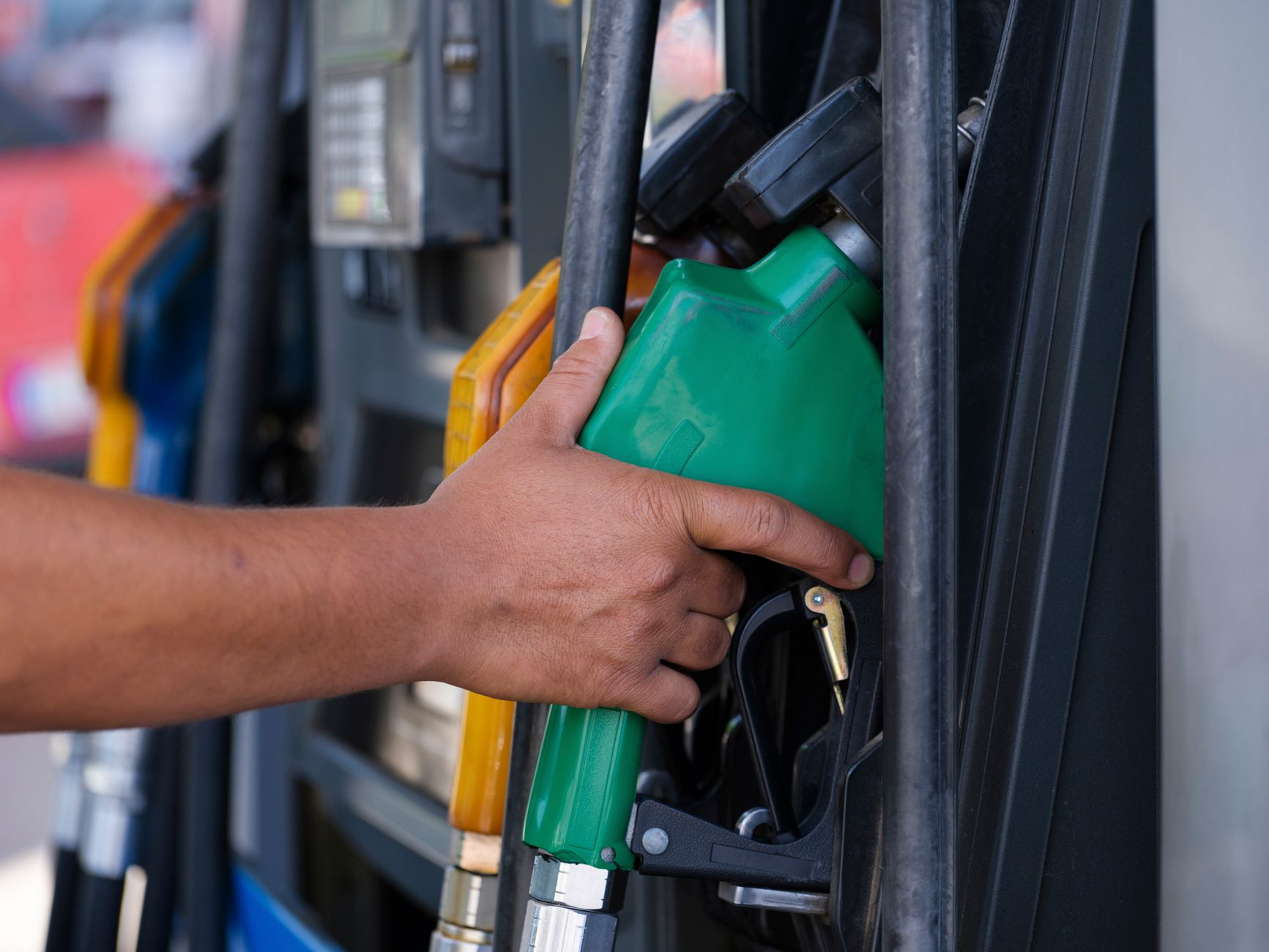
Petrol Subsidy Is Running Rs10 Billion a Month Over Budget — Government Says It'll Pay Anyway
Ten days after launch, Pakistan's Rs100-per-litre fuel relief scheme is costing Rs35-40 billion a month against an original Rs25-30 billion estimate. The petroleum minister says it'll run up to 10 months regardless, and the IMF isn't objecting.
BBP Energy Desk · September 27, 2026 · 4 min
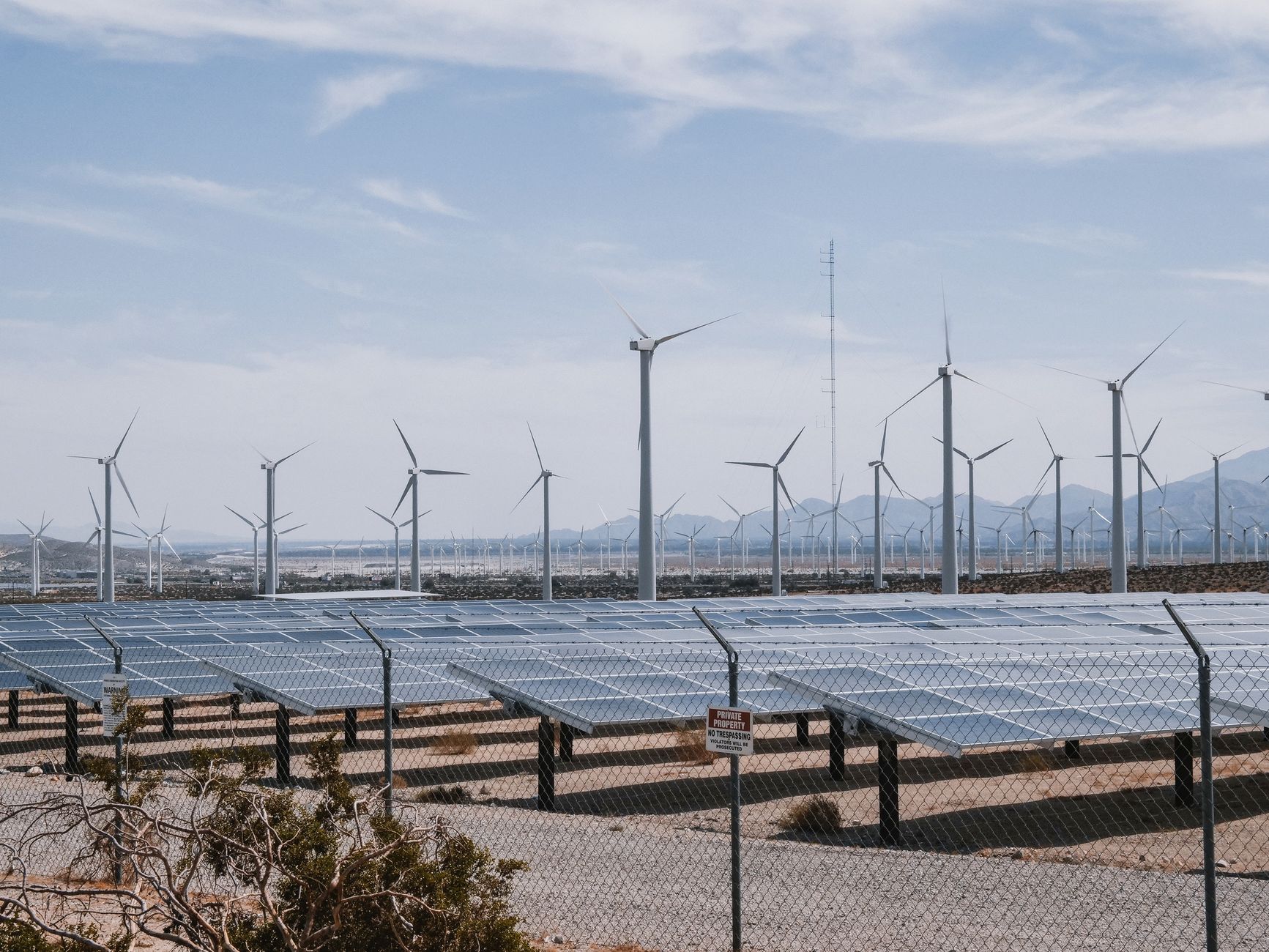
Power Sector Stakeholders Meet to Turn Pakistan's 2040 Clean-Energy Target Into a Plan
A national workshop convened by the LUMS Energy Institute on September 24 brought together the Ministry of Energy, NTDC, NEPRA-adjacent bodies and thermal plant operators to work out how Pakistan actually implements its goal of 95% renewable electricity by 2040.
BBP Energy Desk · September 24, 2026 · 4 min