Petrol Subsidy Is Running Rs10 Billion a Month Over Budget — Government Says It'll Pay Anyway
Ten days after launch, Pakistan's Rs100-per-litre fuel relief scheme is costing Rs35-40 billion a month against an original Rs25-30 billion estimate. The petroleum minister says it'll run up to 10 months regardless, and the IMF isn't objecting.
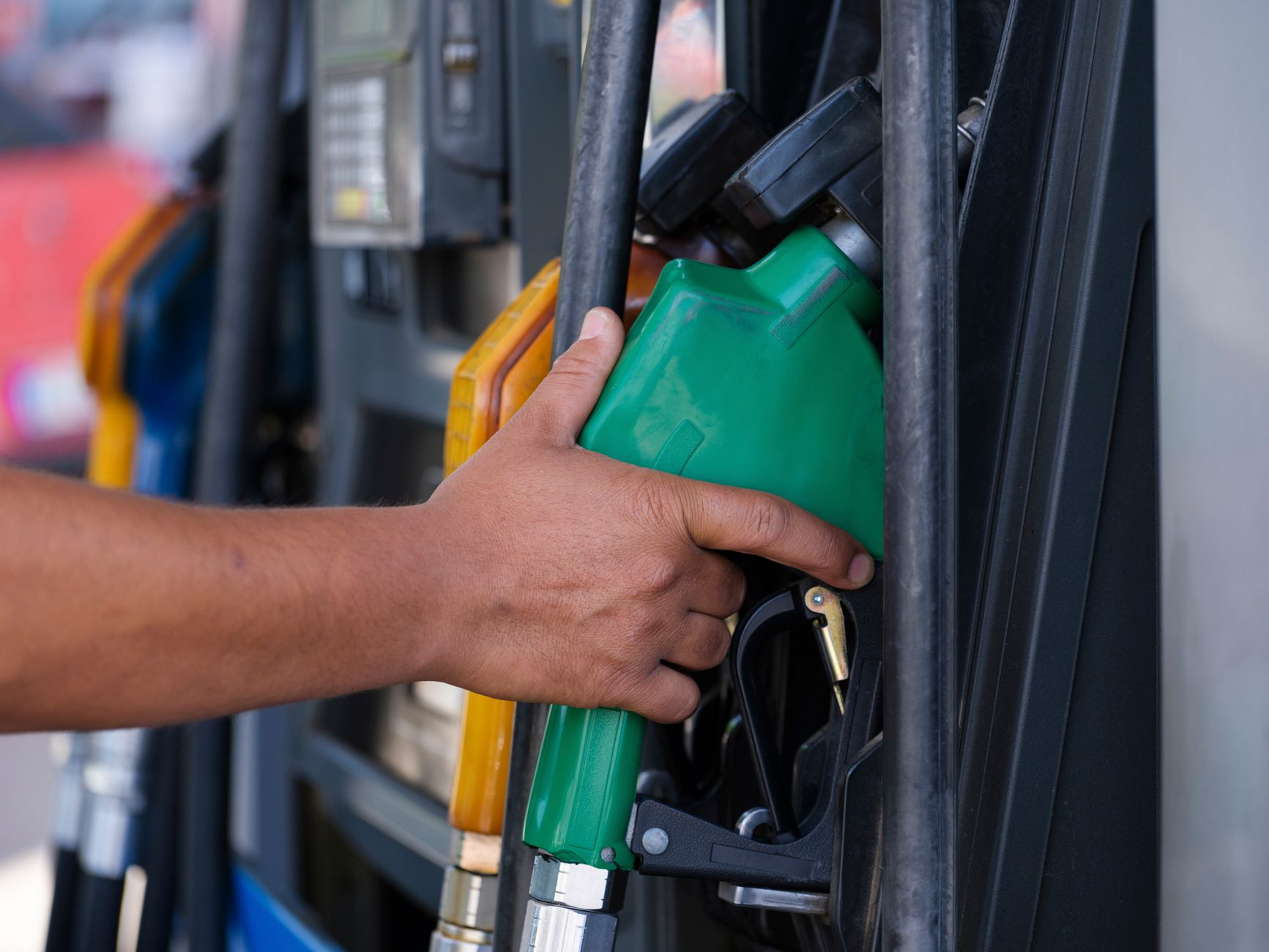
Photo by Engin Akyurt / Pexels
Pakistan's flagship fuel relief scheme is costing considerably more than the government said it would when it launched two weeks ago — and officials are now saying it may run for up to 10 months regardless, at a total cost approaching half a trillion rupees.
The gap between the estimate and the bill
When the Prime Minister's Fuel Relief Scheme rolled out nationwide on September 16, 2026, the Economic Coordination Committee had approved Rs75 billion to fund it, and the petroleum ministry estimated a monthly cost of Rs25-30 billion. Speaking this week, Petroleum Minister Ali Pervaiz Malik said actual monthly spending has come in at Rs35-40 billion — roughly Rs10 billion a month above the original estimate, driven by higher-than-expected uptake. As we've covered previously, the scheme gives motorcycle, rickshaw and Qingqi owners Rs100 off up to 20 litres of petrol a month, and owners of cars up to 800cc the same discount on up to 30 litres — worth up to Rs2,000 and Rs3,000 a month respectively for those who register and use their full quota. More than 6 million people have now registered, with roughly 4.79 million tokens redeemed so far.
A 10-month commitment, if needed
Malik said the government would keep running the scheme for up to 10 months if necessary, diverting Rs400-500 billion from the federal budget to cover it — a figure that resolves a question our earlier coverage flagged as unclear: how long the scheme was actually meant to last. At the higher end of the current spending rate, 10 months of relief would cost roughly Rs350-400 billion; the minister's Rs400-500 billion figure suggests the government is budgeting with some room above the current burn rate rather than assuming costs stay flat.
Why the IMF's silence matters here
A subsidy of this size, running for the better part of a year, would ordinarily be exactly the kind of measure that draws IMF pushback under a program that has repeatedly pressed Pakistan to keep energy prices aligned with actual costs rather than subsidised below them — a tension we've tracked through the fourth EFF review talks now under way in Islamabad. Prime Minister Shehbaz Sharif said IMF Managing Director Kristalina Georgieva raised no serious concerns about the scheme when he briefed her on its design during a sideline meeting at the UN General Assembly in New York — a conversation that took place alongside his broader push on flood damage and fuel subsidy at the same UNGA sideline meetings. The government's argument to the Fund rests on the scheme's design: rather than cutting the pump price for all consumers, it targets a specific, lower-income slice of vehicle owners, in principle preserving the broader price signal the IMF wants intact while still directing relief to households most exposed to fuel costs.
The fiscal room this assumes
Whether Pakistan can actually absorb Rs400-500 billion in extra spending without disrupting the fiscal targets underpinning its IMF program is a separate question from whether the Fund objects to the scheme's design in principle. The program's quantitative targets — six of seven of which Pakistan was on track to meet heading into this review, as we've reported — leave limited room for unbudgeted spending without offsetting cuts or revenue elsewhere. Ministers have not yet said which budget lines would absorb the difference if the scheme runs the full 10 months at current spending rates.
What to watch next
The scheme was designed as a response to a stretch of volatile, sometimes daily, fuel-price movements tied to disruption in the Strait of Hormuz and broader Middle East tensions. If international oil prices ease and Pakistan's own daily price reviews start delivering sustained cuts, the pressure to keep the subsidy running at its current scale eases with it. If prices stay elevated, the government has now committed, at least in public statements, to keep paying regardless of the gap between what it budgeted and what the scheme actually costs.
Build Better Pakistan's Energy Desk tracks fuel pricing and subsidy policy as part of our ongoing energy coverage.
This article is part of our Energy coverage — Circular debt, load-shedding and the push toward a reliable power grid.
Frequently Asked Questions
- How much is the Rs100-per-litre fuel relief scheme actually costing?
- Petroleum Minister Ali Pervaiz Malik said the government is spending Rs35-40 billion a month on the scheme, above the Rs25-30 billion a month it had originally estimated. Run for a full 10 months, the government says it could divert Rs400-500 billion from the budget in total.
- Has the IMF objected to the subsidy scheme?
- Prime Minister Shehbaz Sharif said the IMF raised no serious concerns after he briefed Managing Director Kristalina Georgieva on the scheme at a sideline meeting during the UN General Assembly in New York. The government's case to the Fund is that the relief is targeted at motorcycle, rickshaw and small-car users rather than a blanket cut to the pump price for everyone.
Related Reading
Petrol Falls to Rs387.54, Diesel to Rs402.24 in Second Straight Price Cut
The government cut petrol by Rs1.49 and high-speed diesel by Rs2.73 per litre for the fortnight starting September 30, the second consecutive reduction as retreating global oil prices bring the cumulative cut to Rs3.76 and Rs6.29 per litre respectively.
BBP Energy Desk · September 29, 2026 · 3 min
Pakistan Negotiated Directly With Iran to Get Its Second September LNG Cargo Through Hormuz
Pakistan secured passage for a second Qatari LNG cargo through the Strait of Hormuz this month by negotiating directly with Iran — the third time this year Islamabad has struck its own side deal to keep gas moving, after Iranian strikes knocked out 17% of Qatar's export capacity in March.
BBP Energy Desk · September 29, 2026 · 4 min
Power Sector Stakeholders Meet to Turn Pakistan's 2040 Clean-Energy Target Into a Plan
A national workshop convened by the LUMS Energy Institute on September 24 brought together the Ministry of Energy, NTDC, NEPRA-adjacent bodies and thermal plant operators to work out how Pakistan actually implements its goal of 95% renewable electricity by 2040.
BBP Energy Desk · September 24, 2026 · 4 min