Pakistan Strikes 10 Sites in Afghanistan, Taliban Says Four Civilians Killed
Pakistan carried out air and drone strikes on 10 locations across Afghanistan's Khost, Paktia and Kandahar provinces before dawn on September 24, a day after accusing the Afghan Taliban of launching drones into Khyber Pakhtunkhwa. Kabul says four civilians died and has vowed an 'appropriate response.'
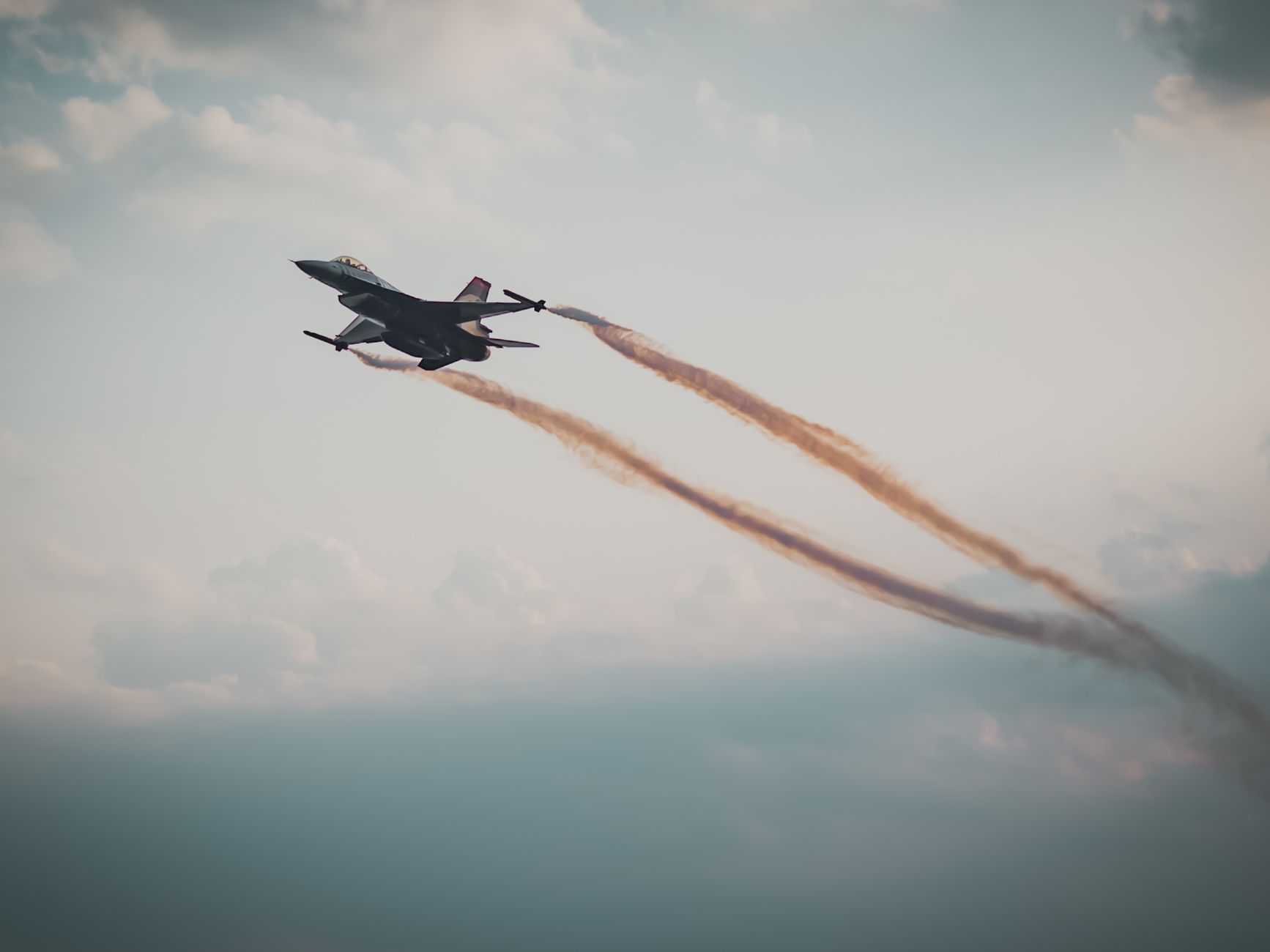
Photo by Cuma Ersöz / Pexels
Pakistan carried out air and drone strikes on 10 locations across Afghanistan's Khost, Paktia and Kandahar provinces in the early hours of September 24, 2026, a day after it accused the Afghan Taliban administration of flying drones into Khyber Pakhtunkhwa. Afghanistan's Taliban government says the strikes killed four civilians and has warned of retaliation, marking the sharpest single escalation yet in a border relationship that has produced near-weekly incidents through September.
What Pakistan says it hit, and why
Information Minister Attaullah Tarar said the strikes were carried out in response to drone attacks launched from Afghan territory on September 23 — eight drones that Pakistan's air defence system intercepted near Torkham and Kohat that same day. Tarar described Thursday's response as "deliberate, precise, calibrated and proportionate," strictly limited to sites it says were used to launch, store or support the drones. Security sources said the strikes hit the Gurbuz, Ismail Khel and Mandozai districts of Khost, plus areas near the provincial capital, at around 3:30 a.m. local time, with additional sites struck in Paktia and Kandahar provinces.
Kabul's account differs sharply
Taliban chief spokesperson Zabihullah Mujahid rejected Pakistan's version of events on two counts: he denied that Afghan forces had launched any drones into Pakistan on September 23, and he said the overnight strikes killed four civilians, calling them "shameless acts of aggression" that violated Afghan sovereignty. Mujahid said the strikes "will be met with an appropriate response," though as of this writing the Taliban had not detailed what form that response would take. Build Better Pakistan could not independently verify either side's casualty or targeting claims.
The third border flashpoint in a week
Thursday's strikes are the latest in a sequence that has unfolded with unusual speed even by the standards of a frontier that has seen repeated flare-ups all year. Pakistani troops repelled an infiltration attempt into Kurram and exchanged fire with Afghan Taliban forces on September 22-23, and that came days after strikes in Kunar and Paktika on September 21 that Kabul said killed three civilians. Taken together, Pakistan's security establishment has now been involved in an infiltration fight, a mortar exchange, a multi-drone incursion, and a 10-site retaliatory airstrike within a single week — a pace of escalation that outstrips anything recorded earlier in 2026.
What's actually at stake
The dispute underneath all of these incidents has not changed: Pakistan accuses the Afghan Taliban administration of sheltering Tehreek-e-Taliban Pakistan fighters who stage attacks on Pakistani soil, while Kabul denies harbouring the group and says Pakistani strikes are killing Afghan civilians. What has changed is the geographic spread — Thursday's strikes reached as far as Kandahar, in southern Afghanistan, far from the Khyber Pakhtunkhwa districts where most of September's incidents have been concentrated — and the reported involvement of mediators. Regional diplomats from China, Turkey, Qatar and Saudi Arabia have worked through the year on efforts to broker a more durable de-escalation framework between Islamabad and Kabul; a strike reaching into Kandahar province complicates that effort by widening the geography both governments would need to address in any renewed talks.
Why this matters beyond the border
Every escalation on this frontier carries a cost that outlasts the strikes themselves. Afghanistan's trade routes through Pakistan, including the Torkham crossing, have already been disrupted for extended stretches this year, and a security establishment now managing simultaneous flashpoints with Afghanistan and sustained counter-militancy operations in Balochistan has less capacity to absorb a prolonged multi-front confrontation without further strain on resources and diplomacy alike.
What to watch next
Whether the Taliban follows through on its warning of retaliation — and whether Kabul's civilian casualty figures hold up to independent scrutiny — will shape how quickly, or whether, the mediation efforts led by China, Turkey, Qatar and Saudi Arabia can regain traction. Given the pace of the past week, further incidents before the two governments sit down for substantive talks remain a real possibility.
Build Better Pakistan's Security Desk is tracking developments along the Pakistan-Afghanistan border and will update this piece as Kabul's response and any casualty figures are confirmed.
This article is part of our Security coverage — Public safety, policing and community trust.
Frequently Asked Questions
- Where did Pakistan strike, and when?
- Pakistan struck 10 sites across three Afghan provinces — Khost, Paktia and Kandahar — at around 3:30 a.m. local time on September 24, 2026, hitting the Gurbuz, Ismail Khel and Mandozai districts of Khost and areas near the provincial capital.
- What is Pakistan's justification, and how has the Taliban responded?
- Pakistan's information minister, Attaullah Tarar, said the strikes targeted sites used to launch and store drones, including eight that had crossed into Khyber Pakhtunkhwa a day earlier, and called them 'deliberate, precise, calibrated and proportionate.' Taliban spokesperson Zabihullah Mujahid said the strikes killed four civilians, denied that Afghan forces had launched any drones, and warned of an 'appropriate response.'
Related Reading
11 Children Hurt as School Van's Brakes Fail, Catches Fire in Murree
A private school van went off Sign Road in Murree's Masiari area on September 29 after its brakes failed, then caught fire. Eleven children were injured, four critically, and police say the van was carrying no fire extinguisher. Punjab's chief minister has ordered vehicle fitness checks on rural school transport.
BBP Security Desk · September 29, 2026 · 3 min

Explosion Destroys Hotel on Mastung's National Highway Stretch
A blast levelled the Madina Hotel in Mastung's Khadkocha area late on September 28, shattering windows and destroying an adjoining shop and more than 250 solar panels. No one was inside, and police are treating it as a suspected IED attack in a district with a recent run of militant incidents.
BBP Security Desk · September 29, 2026 · 4 min
Gunmen Kill Three Traffic Police in Tank, Snatch Then Abandon Their Vehicle
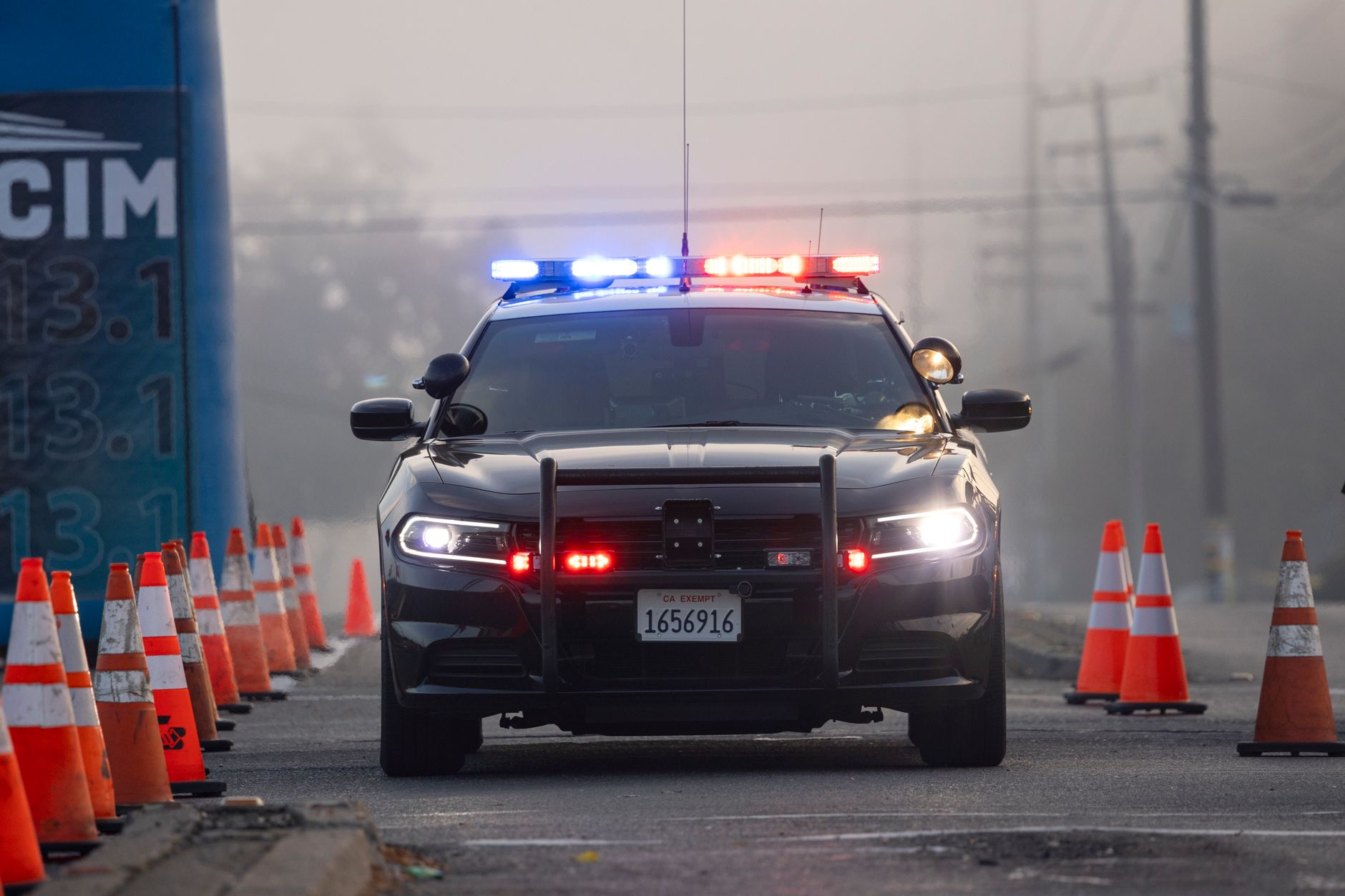
Motorcycle-borne attackers opened fire on a traffic police van in Tank's Wazirabad Bazaar on September 28, killing three officers and wounding two bystanders before fleeing with the vehicle, which police recovered nearby. No group has claimed the attack, but investigators suspect the Tehrik-e-Taliban Pakistan.
BBP Security Desk · September 28, 2026 · 3 min