Petrol & Diesel Prices in Pakistan Explained: Why OGRA Now Sets Fuel Prices Daily
Pakistan moved from fortnightly to weekly to daily fuel price reviews within a single year. Here's how the current mechanism actually works, what changed and why, and where to check today's real, official rate.
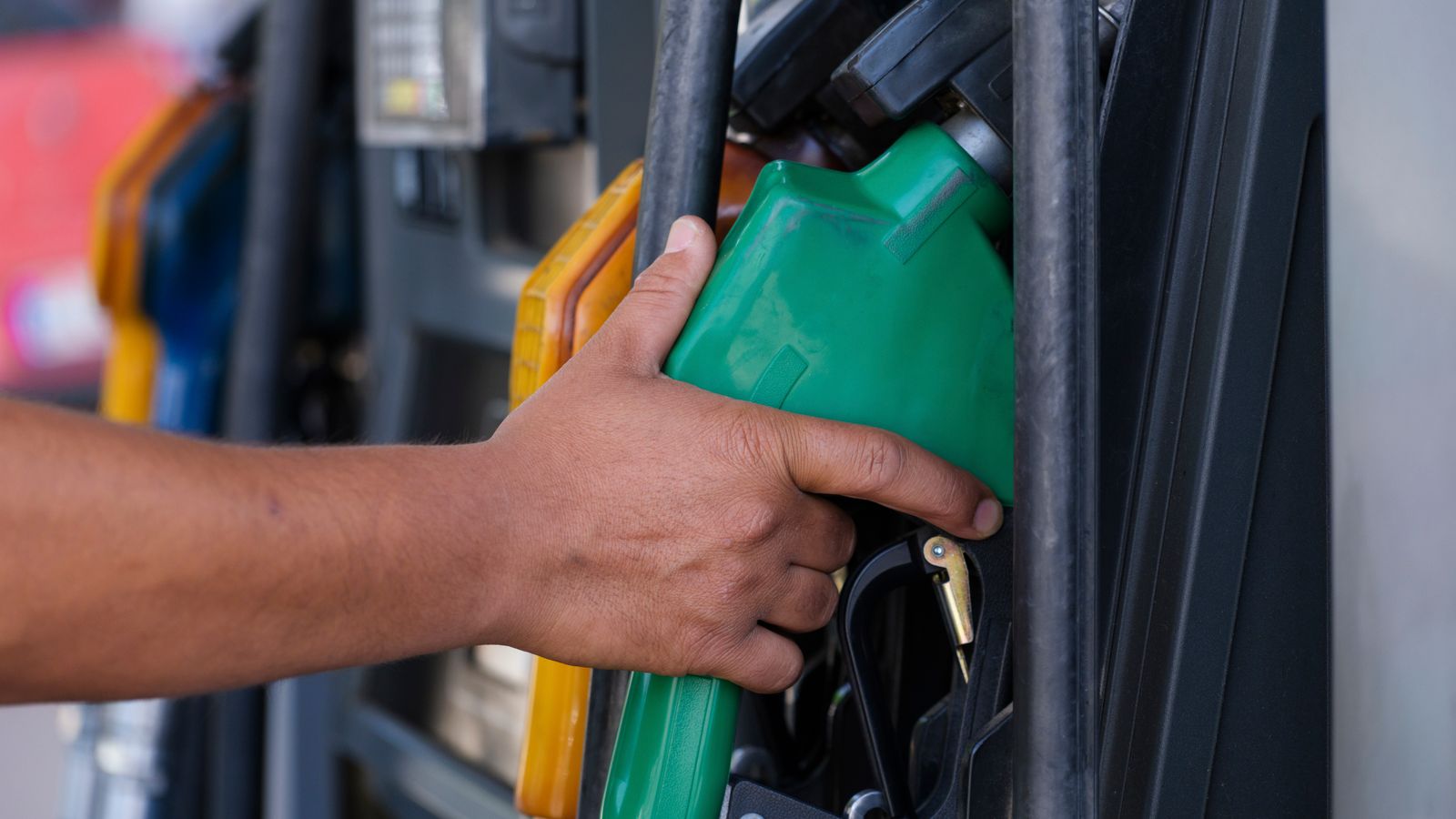
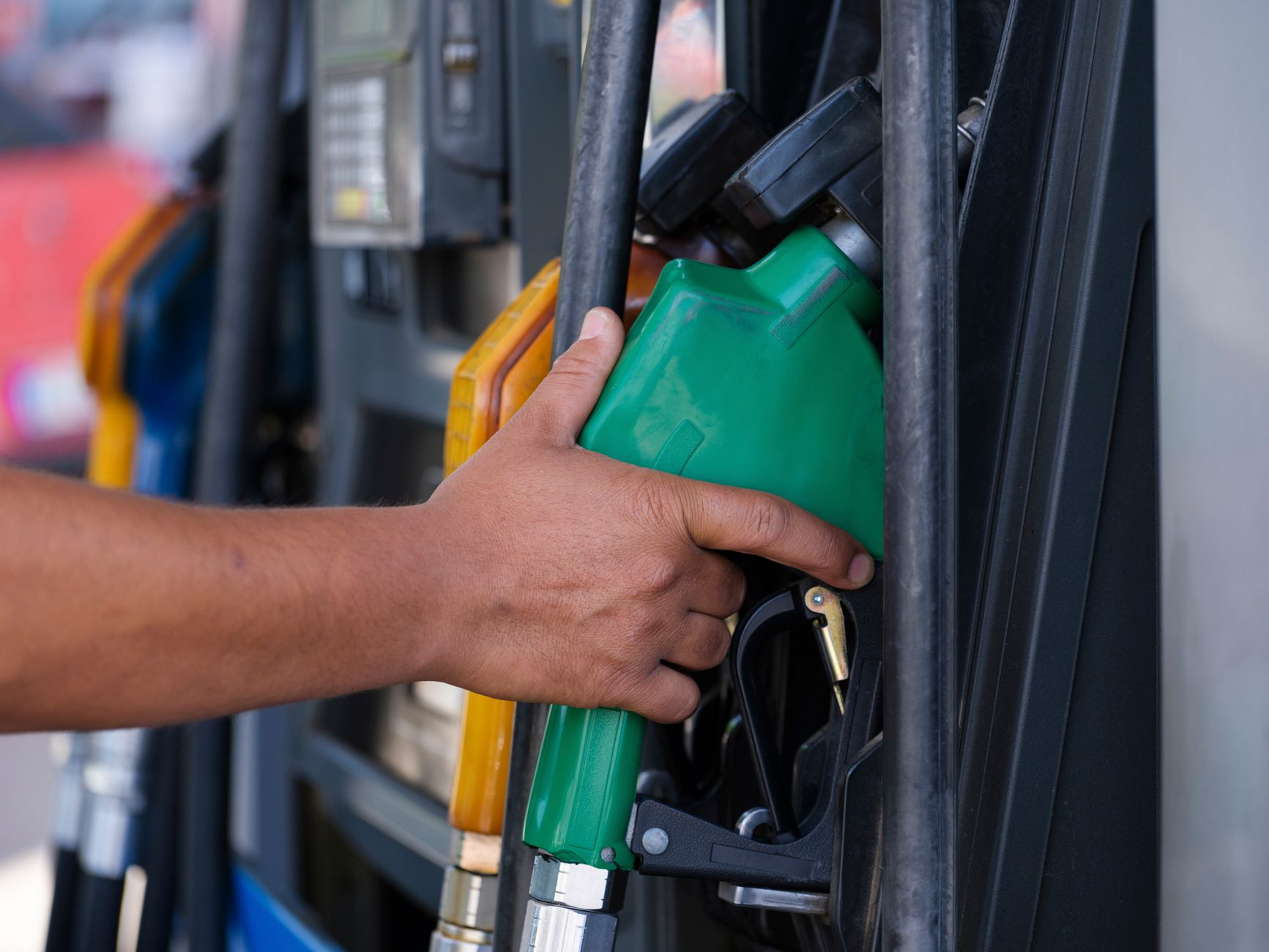
Photo by Engin Akyurt / Pexels
This explainer was fact-checked against current reporting on September 21, 2026. Because the pricing mechanism it describes has changed twice already in 2026, some details here — especially specific rupee figures — will eventually go stale. The dates attached to each claim below are there so you can judge that for yourself.
If you've filled up a car or motorbike in Pakistan recently, you already know the one certainty about the petrol price: it won't stay the same for long. That's now true in a more literal sense than it used to be — since July 17, 2026, Pakistan has revised petrol and high-speed diesel (HSD) prices every business day, a sharp acceleration from the fortnightly mechanism that held for years into early 2026.
This piece breaks down how that daily mechanism actually works, how Pakistan got here from fortnightly reviews in under five months, and why petrol and diesel don't always move in lockstep — without pretending to give you a "live" number that will be stale within hours. For the current official rate, always check OGRA's official website directly.
Who actually sets the price
Retail petrol and diesel prices in Pakistan aren't set by individual fuel stations, and — as of the July 2026 reform — they're no longer routed through the Finance Division for case-by-case sign-off either. The Oil and Gas Regulatory Authority (OGRA) now calculates each day's ex-depot price directly, using a seven-day rolling average of international benchmark prices (the Platts assessment), the prevailing rupee-dollar exchange rate, and applicable levies, and publishes the new notified price on its own website. The federal cabinet approved this mechanism and retains control of the petroleum levy through the budget, but OGRA no longer needs the Prime Minister's or Finance Ministry's approval for each individual day's number.
Petrol stations across the country then sell at that notified price. Prices are effectively uniform nationwide — a big country with refineries and ports concentrated in a few locations would otherwise see much higher prices far from the coast, but a specific charge called the Inland Freight Equalisation Margin (IFEM), which OGRA has administered since 2008, spreads inland transport costs across all consumers so a litre costs close to the same in Gwadar as in Gilgit.
This is a deliberate policy choice: fuel is treated as a strategically sensitive commodity, given how directly it affects transport costs, agriculture, and headline inflation, so the government retains pricing authority rather than leaving it entirely to the market.
How Pakistan got from fortnightly to daily pricing in under five months
The pace of change here is itself part of the story:
- Fortnightly reviews (twice a month) were the norm for years, dating back to reforms in the early 2020s.
- Late February 2026: renewed fighting between the US and Iran disrupted global energy markets — including, at points, shipping through the Strait of Hormuz, a route a large share of Pakistan's fuel imports transits — and Islamabad shifted to weekly reviews to keep domestic prices from lagging international swings by up to two weeks.
- July 17, 2026: with tensions escalating again and oil prices rising further, the federal cabinet approved a move to daily reviews. Petroleum Minister Ali Pervaiz Malik framed the change as a transparency measure, saying OGRA would publish both benchmark prices and the pricing formula so "people should know why it is necessary to increase prices," according to Arab News Pakistan's reporting at the time.
Officials also argued daily pricing helps consumers on the way down, not just the way up: under weekly averaging, a drop in international prices took up to a week to reach the pump; under daily pricing, it shows up the next business day.
The four things that make up the price
Every day's notified price comes down to a similar set of inputs:
- International oil product prices, averaged over the preceding seven days rather than a single snapshot, to smooth out day-to-day noise while still tracking the market closely.
- The rupee-dollar exchange rate, since fuel is priced in US dollars internationally but sold in rupees domestically.
- The petroleum levy, a fixed per-litre charge set through the federal budget. It's the government's main lever for cushioning or amplifying an international price move — and, notably, an amendment to the Petroleum Levy Ordinance has removed the legislated cap that used to limit it (the ceiling had already been raised from Rs 30 to Rs 50 per litre in the 2022 Finance Act, then to Rs 70 in 2024, before being lifted entirely). The levy is also Pakistan's preferred fuel-tax tool for a structural reason: unlike General Sales Tax, which is constitutionally shared with the provinces, petroleum levy revenue is retained entirely by the federal government. GST on petrol and diesel itself has been held at zero percent since the 2024 Finance Act specifically to avoid stacking a shared tax on top of the levy.
- The Inland Freight Equalisation Margin and OMC/dealer margins, the logistics and retail-margin charges described above.
Because the levy is a fixed rupee amount rather than a percentage, the tax share of the price you pay shifts with the international price too — tax is a bigger slice of the pump price when oil is cheap, and a smaller slice when oil is expensive.
Petrol vs. diesel: why they don't always move together
Petrol and HSD (high-speed diesel) are calculated under the same daily mechanism but are not identical products economically:
- They're benchmarked against different international product prices, which don't always move in the same direction or by the same margin.
- HSD is the primary fuel for freight trucks, buses, tractors, and agricultural machinery, so diesel price changes flow much more directly into transport and food costs than petrol does — petrol is used overwhelmingly for private cars and motorbikes.
- Because of that broader economic footprint, the government has at points in 2026 deliberately held or cut the diesel levy even while raising it on petrol, to shield freight and farming costs specifically.
This is why you'll sometimes see petrol prices rise while diesel is held flat or even cut — it's rarely an accident of the formula, but a reflection of which product's price movement the government is trying to manage most carefully on a given day.
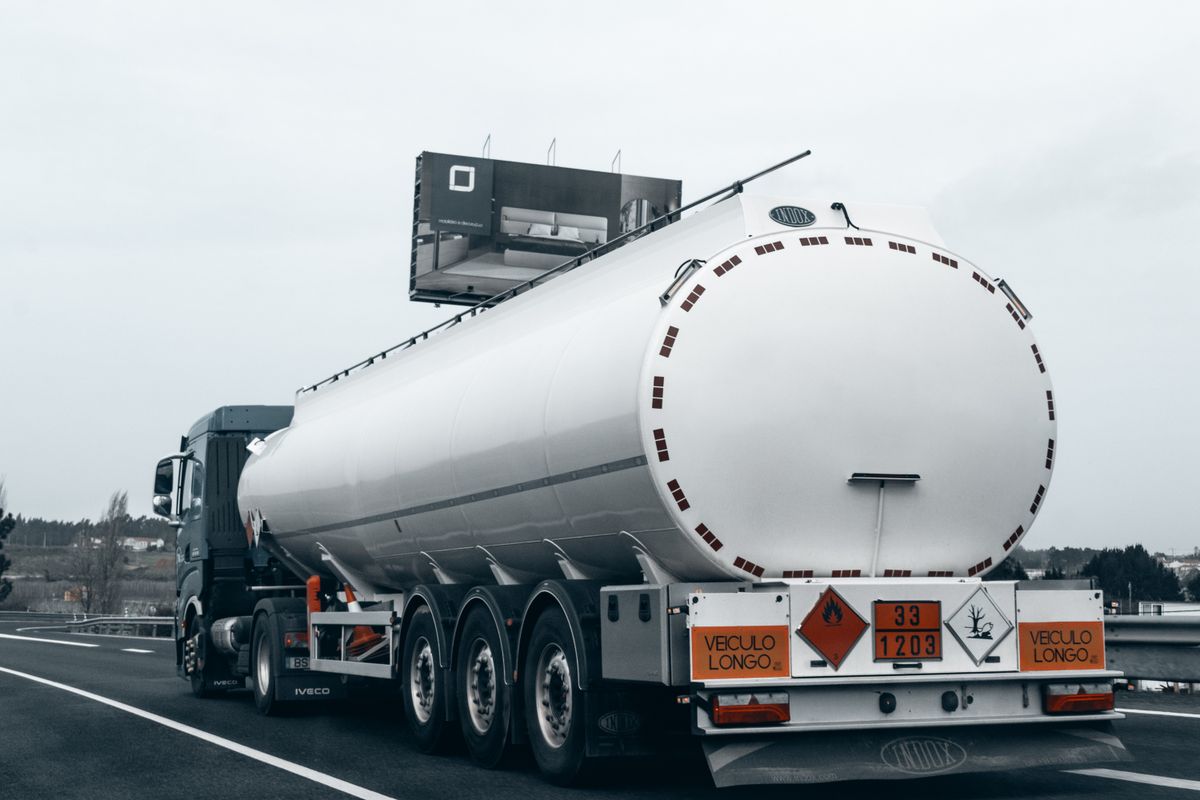
How fuel actually gets to the pump
Before a litre of petrol reaches a filling station, it typically moves through several stages: imported crude or refined product arrives at port, is refined domestically (or imported already refined), moves through storage terminals, and is distributed by tanker truck to filling stations operated by oil marketing companies such as Pakistan State Oil and its private-sector competitors. Each of these stages carries its own logistics and margin costs, which are also built into the formula OGRA uses — separate from the levy and taxes.
Disruptions anywhere along that chain — a port delay, a refinery outage, or a transport bottleneck — can create localized shortages even when the notified price hasn't changed, which is a separate problem from the price-setting mechanism itself.
Why fuel prices ripple through the rest of the economy
Fuel isn't just a household expense — it's an input cost for nearly every other sector. Transport costs are directly tied to diesel prices, and since goods have to move by road to reach markets, a fuel price increase shows up in the price of food and consumer goods within weeks. We've covered this dynamic in more depth in our explainer on Pakistan's inflation crisis, and the underlying energy-sector financial pressures — including circular debt — often shape how much room the government has to cushion consumers from an international price spike through the levy.
What the price has actually done recently
To make the daily-movement point concrete rather than abstract: OGRA's notified petrol price moved from roughly Rs 345.87/litre on September 5, 2026 to Rs 389.14/litre on September 19, 2026 — a roughly 12.5% swing in two weeks, entirely within the ordinary operation of the new daily mechanism, not a one-off shock. Diesel stood at Rs 424.04/litre on that same September 19 notification. Treat these two figures as a dated illustration of how much the price can move, not as today's rate — by the time you're reading this, several more daily revisions will likely have happened.
Where to check today's actual official price
Because petrol and diesel prices can now change every business day, any specific rupee figure printed in an article — including the ones above — is a historical snapshot, not a live quote. For today's real notified price, go directly to:
- OGRA's official website — publishes the current notified ex-depot and retail prices daily.
- Major Pakistani business and financial news outlets, most of which republish OGRA's daily notification the same day.
For more on the broader energy-sector pressures behind fuel and electricity pricing in Pakistan, see our Energy coverage and our explainer on why load-shedding persists even as generation capacity has grown.
This article is part of our Energy coverage — Circular debt, load-shedding and the push toward a reliable power grid.
Frequently Asked Questions
- How often does the petrol price in Pakistan change now?
- Daily, on weekdays, since the federal cabinet approved a daily pricing mechanism on July 17, 2026. OGRA now recalculates and publishes petrol and diesel prices every business day; the Friday-notified price carries over unchanged through Saturday and Sunday. This replaced a weekly system adopted in late February 2026, which had itself replaced the long-standing fortnightly mechanism.
- Why did Pakistan switch from fortnightly to weekly to daily pricing in the same year?
- Both changes were responses to oil-market volatility from the renewed US-Iran conflict in 2026, which at points disrupted shipping through the Strait of Hormuz — a route a large share of Pakistan's fuel imports transits. Weekly, then daily, reviews let domestic prices track international swings more closely and were intended to reduce both the size of individual price shocks and the incentive to hoard fuel ahead of an expected increase.
- Who actually sets the petrol price in Pakistan?
- The Oil and Gas Regulatory Authority (OGRA) calculates the price daily from a seven-day rolling average of international benchmark prices, the exchange rate, and applicable levies, and publishes it directly. Since the July 2026 reform, OGRA no longer needs sign-off from the Prime Minister or Finance Ministry for each daily notification, though the federal cabinet approved the mechanism itself and still sets the petroleum levy through the budget.
- Why do petrol and diesel prices sometimes move in different directions?
- Petrol and high-speed diesel (HSD) are calculated using the same general formula but are benchmarked against different international product prices and can carry different petroleum levy rates — the levy on diesel has, at points in 2026, been cut to near zero specifically to ease pressure on transport and agriculture, even while the levy on petrol rose. Since diesel is used heavily in freight, agriculture, and public transport, it's also the more politically sensitive of the two.
- Where can I check today's official petrol and diesel price?
- OGRA's official website (ogra.org.pk) publishes the current notified ex-depot and retail prices daily. Because prices can now change every business day, always check the current notification rather than relying on a fixed number from any article, including this one.
Related Reading
Petrol Falls to Rs387.54, Diesel to Rs402.24 in Second Straight Price Cut
The government cut petrol by Rs1.49 and high-speed diesel by Rs2.73 per litre for the fortnight starting September 30, the second consecutive reduction as retreating global oil prices bring the cumulative cut to Rs3.76 and Rs6.29 per litre respectively.
BBP Energy Desk · September 29, 2026 · 3 min
Pakistan Negotiated Directly With Iran to Get Its Second September LNG Cargo Through Hormuz
Pakistan secured passage for a second Qatari LNG cargo through the Strait of Hormuz this month by negotiating directly with Iran — the third time this year Islamabad has struck its own side deal to keep gas moving, after Iranian strikes knocked out 17% of Qatar's export capacity in March.
BBP Energy Desk · September 29, 2026 · 4 min
Petrol Subsidy Is Running Rs10 Billion a Month Over Budget — Government Says It'll Pay Anyway
Ten days after launch, Pakistan's Rs100-per-litre fuel relief scheme is costing Rs35-40 billion a month against an original Rs25-30 billion estimate. The petroleum minister says it'll run up to 10 months regardless, and the IMF isn't objecting.
BBP Energy Desk · September 27, 2026 · 4 min