Circular Debt 101: The Multi-Billion-Dollar Problem Behind Your Power Bill
Pakistan's energy sector owes a staggering amount of money to itself. Here's how circular debt actually works, why it keeps growing, and what breaking the cycle would take.
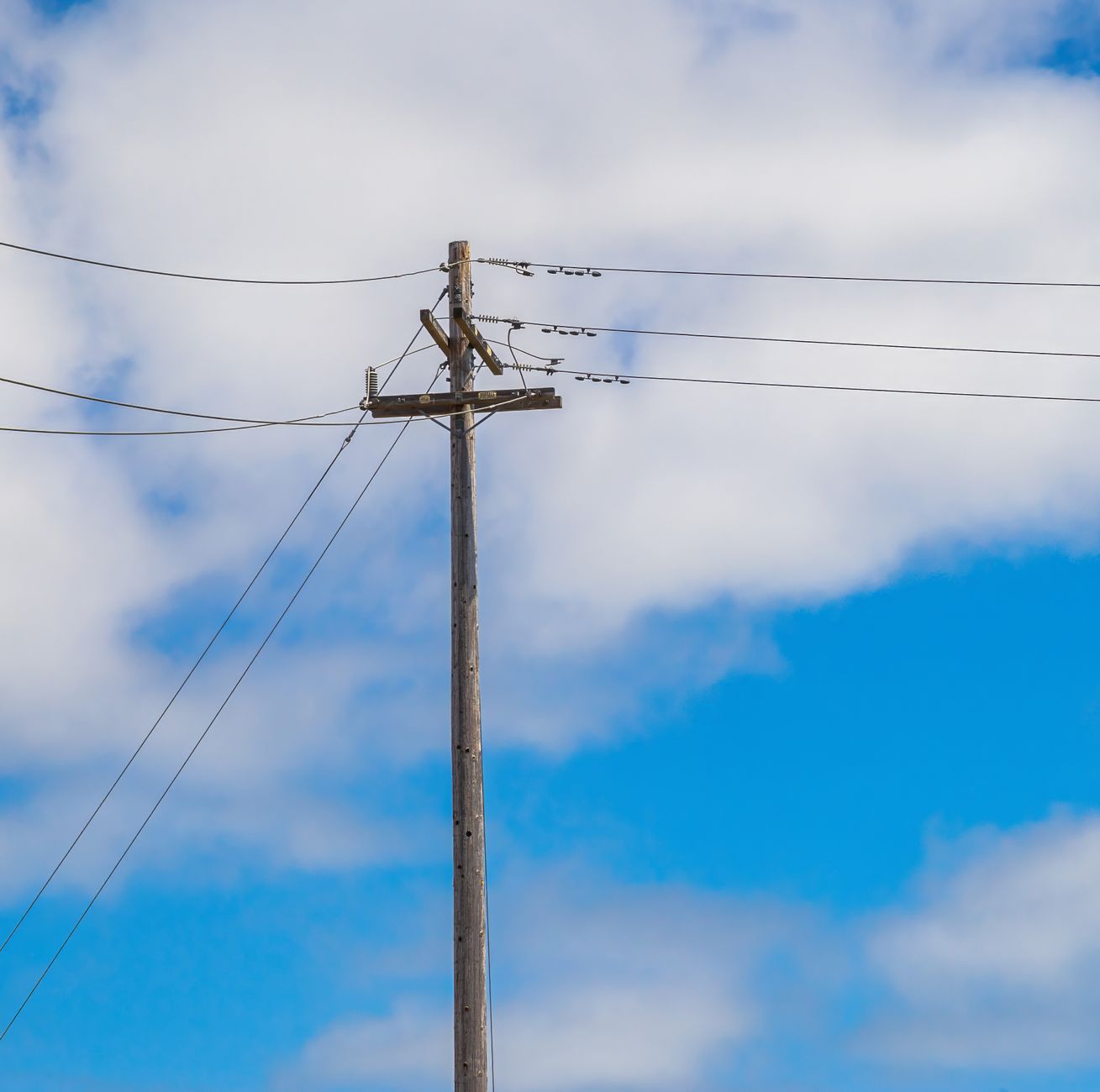
Photo by Robert So / Pexels
If you've ever wondered why electricity tariffs keep rising even as Pakistan's power generation capacity has expanded, the answer usually traces back to a single structural problem: circular debt.
What circular debt actually is
Circular debt refers to the unpaid, cascading obligations that build up across Pakistan's power sector supply chain. In simplified terms: power distribution companies often collect less revenue from consumers than the actual cost of the electricity they deliver — due to a mix of unrecovered bills, transmission and distribution losses, and government-subsidized tariffs. That shortfall means the distribution companies can't fully pay the power generation companies. The generation companies, in turn, fall behind on payments to fuel suppliers. Each link in the chain owes the next, and the total unpaid balance — the "circular debt" — keeps growing.
Why it keeps growing instead of getting paid down
A few structural factors make circular debt difficult to resolve through occasional cash injections alone:
- Transmission and distribution losses. A meaningful share of generated electricity is lost before it ever reaches a paying customer, whether through technical inefficiencies in aging infrastructure or non-technical losses like unbilled and stolen electricity.
- Under-recovery of billed amounts. Distribution companies frequently collect less than 100% of what they bill, particularly in regions with weaker enforcement capacity.
- Tariff differential subsidies. Government subsidies intended to keep electricity affordable for certain consumer categories are meant to be reimbursed to distribution companies — but reimbursement has often lagged, adding to the accumulated shortfall.
- Capacity payments. Pakistan pays fixed "capacity charges" to power plants regardless of how much electricity is actually used, a structure tied to earlier-era power purchase agreements designed to attract investment in generation capacity.
What the number actually is right now
Concretely: the power sector's circular debt stood at roughly Rs 1.675 trillion at the end of FY2025-26 (June 30, 2026). Combined with the gas sector's separate circular debt of about Rs 3.611 trillion, total energy-sector circular debt reached approximately Rs 5.29 trillion by mid-2026. There is a genuine bright spot in that figure: the power sector's debt was actually down roughly Rs 693 billion year-on-year from about Rs 2.53 trillion in February 2025, before ticking back up again by a few hundred billion rupees over the following months of FY26 — a reminder that "circular debt is falling" and "circular debt is rising" can both be true depending on the exact window you're looking at, which is part of why we're citing specific dated figures here rather than a single headline trend.
Why this matters beyond the balance sheet
Circular debt isn't just an accounting abstraction — it has direct, visible consequences. Periodic electricity tariff hikes are frequently tied to circular-debt reduction commitments made as part of IMF program conditions. Cash-strapped generation and fuel companies sometimes reduce output or maintenance, contributing to load-shedding. And the debt itself represents a significant, recurring drain on public finances that could otherwise fund other priorities.
What reducing it durably would involve
Energy sector analysts generally converge on a similar list of structural fixes, distinct from one-off cash injections that temporarily "settle" the debt without addressing its causes:
- Reducing transmission and distribution losses through infrastructure upgrades and stronger enforcement against theft and non-payment.
- Right-sizing generation capacity and renegotiating capacity payment structures where possible, to reduce fixed costs that accrue regardless of demand.
- Timely and predictable tariff adjustments, rather than large, delayed jumps that are politically difficult and economically disruptive.
- Faster reimbursement of subsidies owed to distribution companies, so shortfalls don't compound while awaiting budget allocations.
- Privatization or restructuring of underperforming distribution companies, an approach that has been debated for years but faces significant political and labor-related hurdles.
Circular debt has been treated, at various points, as an emergency to be managed rather than a structural problem to be solved. Each round of debt settlement without addressing the underlying causes has tended to see the balance climb right back up in the following years — which is precisely why so many energy economists argue that piecemeal fixes will keep falling short.
Build Better Pakistan's Energy Desk tracks circular debt trends and power-sector reform proposals on an ongoing basis.
This article is part of our Energy coverage — Circular debt, load-shedding and the push toward a reliable power grid.
Related Reading
Petrol Falls to Rs387.54, Diesel to Rs402.24 in Second Straight Price Cut
The government cut petrol by Rs1.49 and high-speed diesel by Rs2.73 per litre for the fortnight starting September 30, the second consecutive reduction as retreating global oil prices bring the cumulative cut to Rs3.76 and Rs6.29 per litre respectively.
BBP Energy Desk · September 29, 2026 · 3 min

Pakistan Negotiated Directly With Iran to Get Its Second September LNG Cargo Through Hormuz
Pakistan secured passage for a second Qatari LNG cargo through the Strait of Hormuz this month by negotiating directly with Iran — the third time this year Islamabad has struck its own side deal to keep gas moving, after Iranian strikes knocked out 17% of Qatar's export capacity in March.
BBP Energy Desk · September 29, 2026 · 4 min
Petrol Subsidy Is Running Rs10 Billion a Month Over Budget — Government Says It'll Pay Anyway
Ten days after launch, Pakistan's Rs100-per-litre fuel relief scheme is costing Rs35-40 billion a month against an original Rs25-30 billion estimate. The petroleum minister says it'll run up to 10 months regardless, and the IMF isn't objecting.
BBP Energy Desk · September 27, 2026 · 4 min