Pakistan Negotiated Directly With Iran to Get Its Second September LNG Cargo Through Hormuz
Pakistan secured passage for a second Qatari LNG cargo through the Strait of Hormuz this month by negotiating directly with Iran — the third time this year Islamabad has struck its own side deal to keep gas moving, after Iranian strikes knocked out 17% of Qatar's export capacity in March.
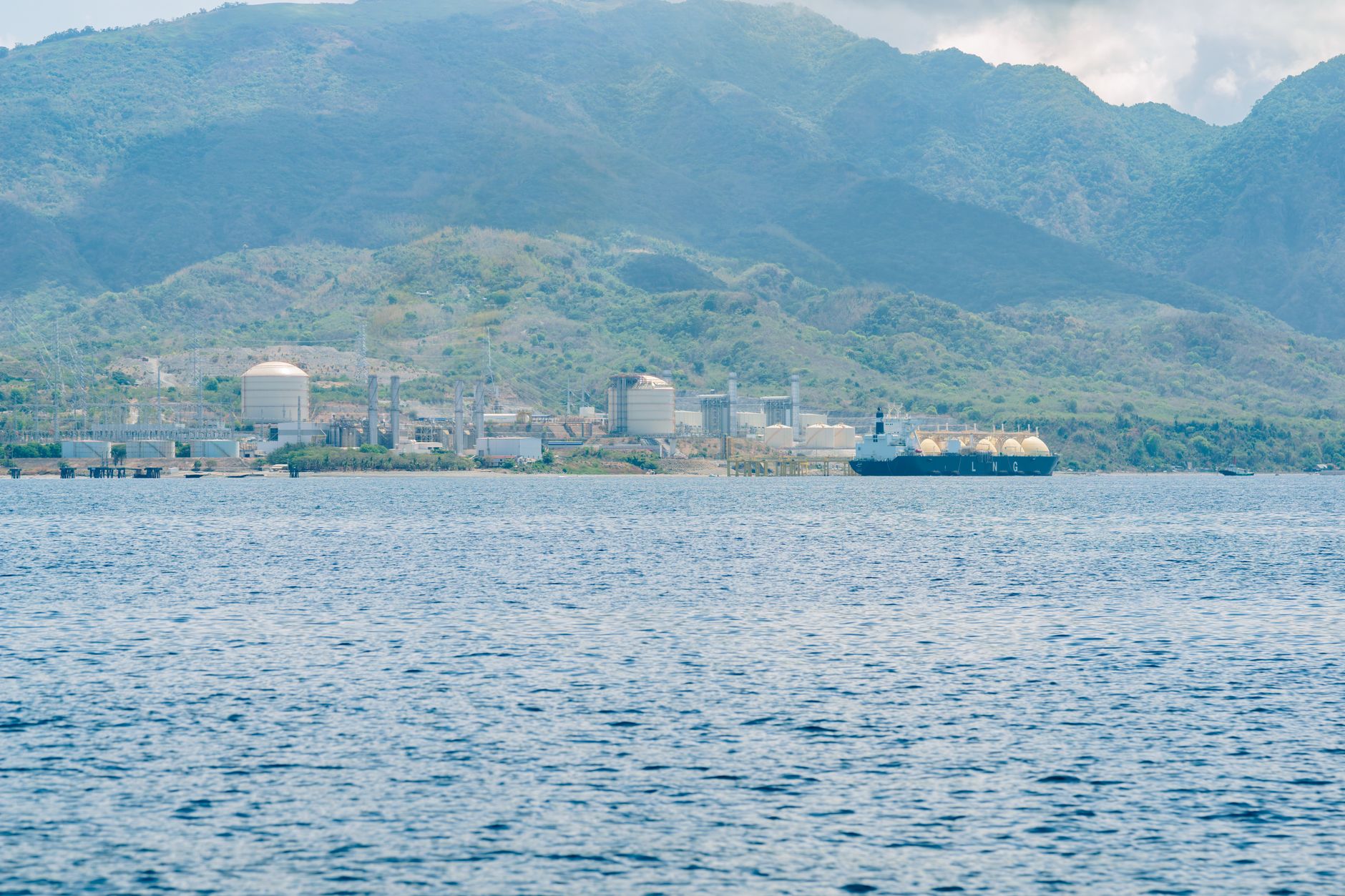
Photo by Nothing Ahead / Pexels
A tanker carrying Qatari LNG crossed the Strait of Hormuz over the weekend of September 19-20 and docked at Pakistan's import terminal on September 23 — the second Qatari cargo Pakistan has received this month, and the second time in September that Islamabad has had to negotiate the ship's safe passage directly with Iran rather than rely on normal commercial transit.
A supply line that runs through diplomacy, not just shipping
The tanker had loaded its cargo at Qatar's Ras Laffan facility back in late June, according to ship-tracking data, and sat for weeks before officials could secure passage through Hormuz. Pakistani government officials negotiated the crossing directly with Iranian counterparts — the same approach Pakistan used in May, and now for the second time in September alone, as it works around a strait that has been intermittently closed to commercial shipping since the US-Iran war escalated this year. The first of September's two cargoes, carried by the vessel Al-Marrouna, had already docked at the Engro terminal on September 10 with roughly 81,936 metric tonnes of LNG.
Why Qatar's supply broke down in the first place
The root of Pakistan's gas squeeze traces back to March 2026, when Iranian missile strikes hit Qatar's Ras Laffan complex — the world's largest LNG export facility — damaging two of its 14 production trains and one of its two gas-to-liquids plants. QatarEnergy's chief executive said the strikes cut about 17% of the country's LNG export capacity and would cost roughly $20 billion a year in lost revenue, with full repairs expected to take three to five years. QatarEnergy declared force majeure within 48 hours on contracts with buyers including Belgium, China, Italy, South Korea — and Pakistan, one of its longer-standing customers.
That left Pakistan Ltd, the state LNG importer, scrambling on the spot market to cover the shortfall, at prices its own tender history shows it has repeatedly balked at. Early this month, PLL rejected a sole spot bid of $26.97 per mmBtu — roughly three times pre-war pricing — for an emergency cargo, re-tendering instead of paying it. Asian spot LNG prices climbed toward $30 per mmBtu in September, the second such spike of the year, compared with around $10 before the war began.
What's riding on this for winter
Pakistan's power sector alone is projected to need up to 400 million cubic feet of gas a day through the winter months, when overall national gas demand rises toward 6,500 mmcfd for heating and cooking on top of power generation. Planners have been weighing rationing household gas supply to mealtimes only, with little or none left over for water and space heating, if the Hormuz disruption drags on. The two September Qatari cargoes don't resolve that math on their own, but they matter directly to how much rolling load-shedding Pakistan sees this winter — the same load-shedding pressure that has shaped household electricity access for years now, worsened this time by a war with no Pakistani combatants in it.
The broader pattern
This is the same dynamic that has driven oil-price volatility into Pakistan's daily fuel pricing all year, and the same underlying conflict that has kept reaching Pakistan's economy from the sidelines even though the country isn't a party to the fighting. What's different about the LNG story specifically is that Pakistan hasn't just been absorbing the shock passively — it has had to build a working, cargo-by-cargo diplomatic channel with Iran just to keep gas physically moving through a waterway neither side fully controls anymore.
Build Better Pakistan's Energy Desk tracks Pakistan's gas and power supply chain and will update this piece as further LNG cargoes are confirmed ahead of winter.
This article is part of our Energy coverage — Circular debt, load-shedding and the push toward a reliable power grid.
Frequently Asked Questions
- Why does Pakistan need to negotiate separately with Iran for LNG shipments?
- Because the Strait of Hormuz has been intermittently closed to commercial shipping during the US-Iran war, Pakistan's government has had to directly negotiate safe passage for individual LNG tankers with Iranian authorities — first in May 2026, and twice more in September — rather than relying on normal commercial shipping routes through the strait.
- Why is Qatar's LNG supply to Pakistan disrupted in the first place?
- Iranian missile strikes in March 2026 damaged two LNG production trains and a gas-to-liquids facility at Qatar's Ras Laffan complex, cutting roughly 17% of Qatar's total LNG export capacity. QatarEnergy declared force majeure on contracts with several buyers, including Pakistan, and estimated the damage would cost $20 billion a year in lost revenue and take three to five years to fully repair.
Related Reading
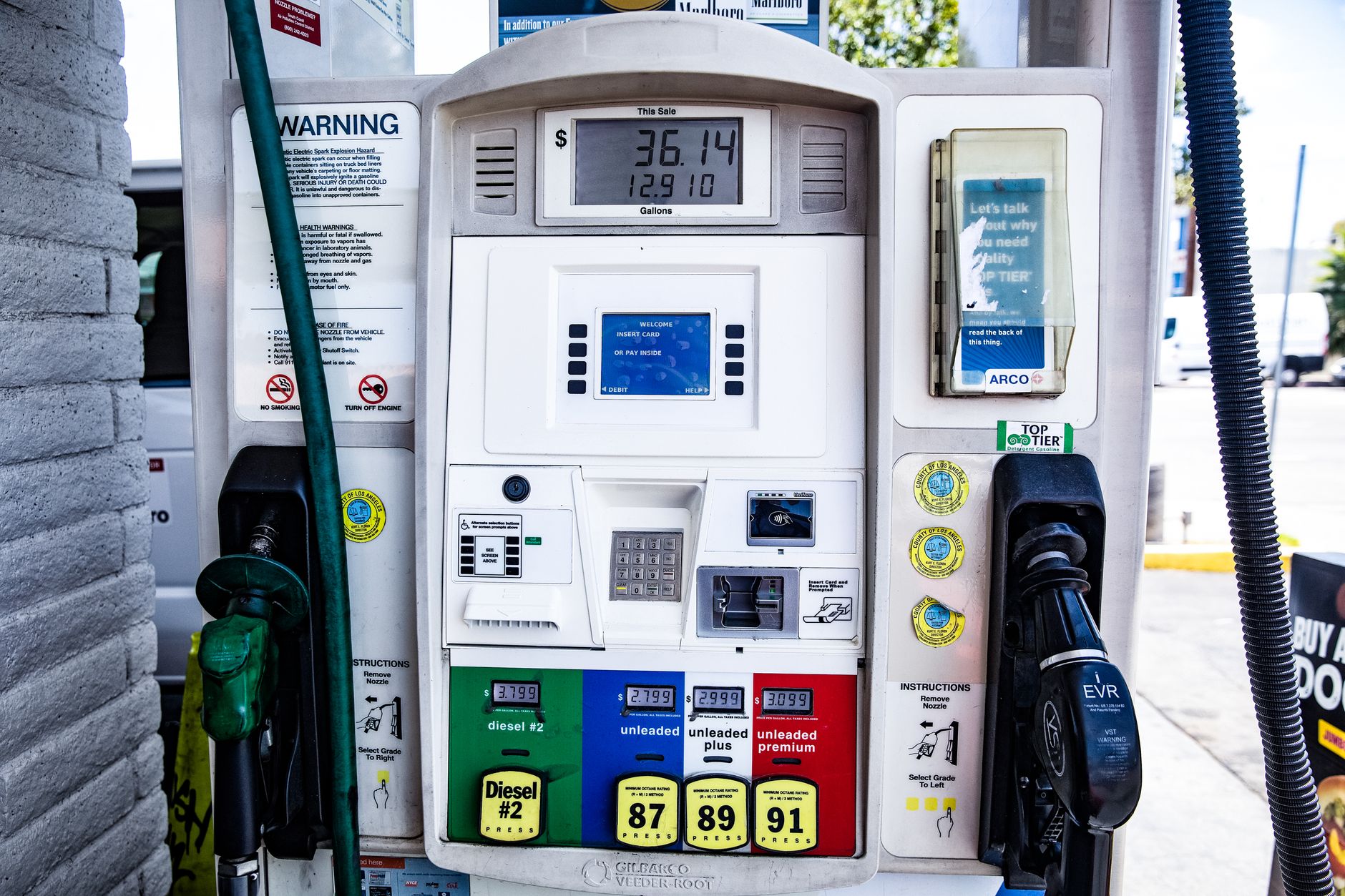
Petrol Falls to Rs387.54, Diesel to Rs402.24 in Second Straight Price Cut
The government cut petrol by Rs1.49 and high-speed diesel by Rs2.73 per litre for the fortnight starting September 30, the second consecutive reduction as retreating global oil prices bring the cumulative cut to Rs3.76 and Rs6.29 per litre respectively.
BBP Energy Desk · September 29, 2026 · 3 min
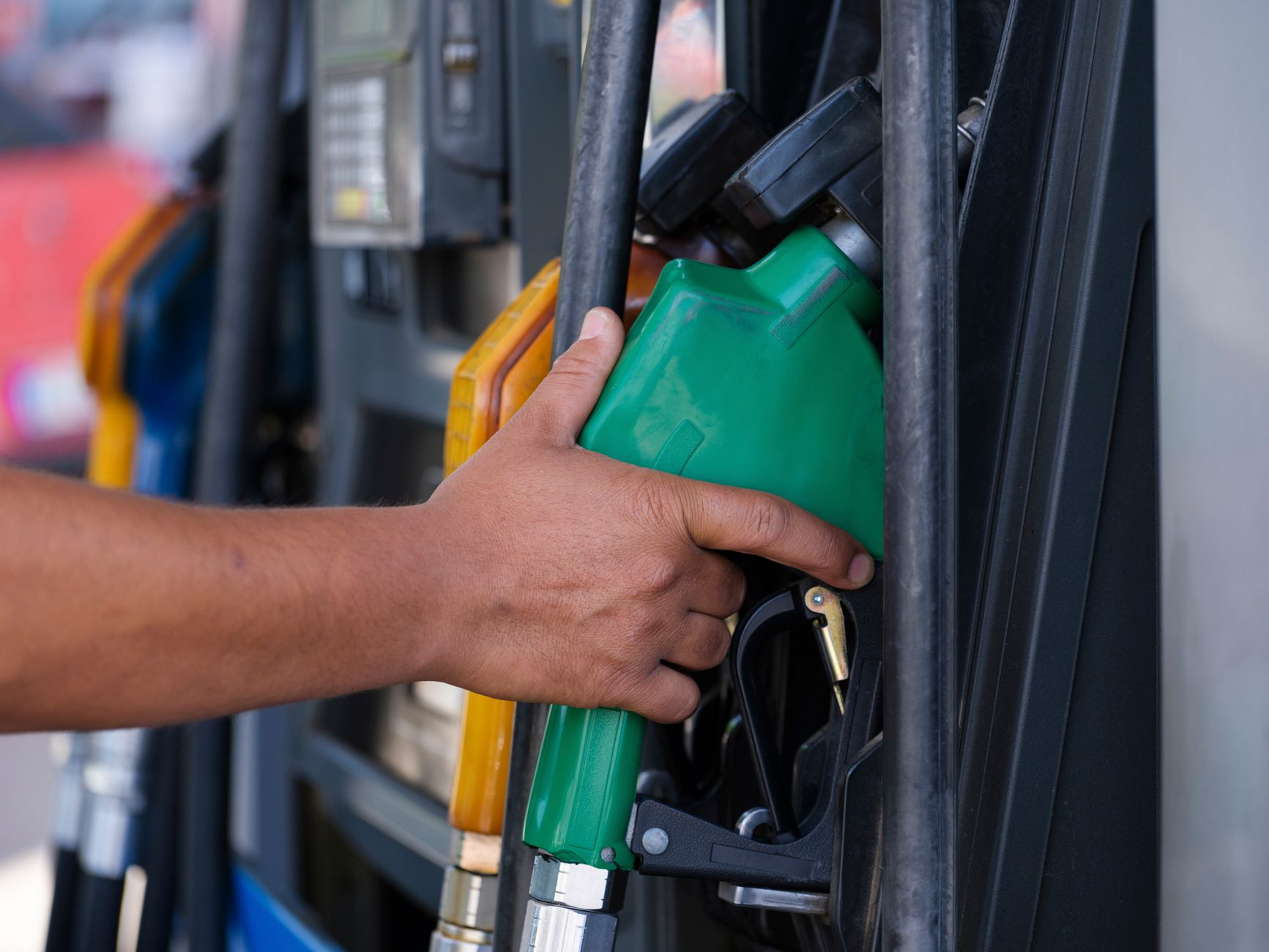
Petrol Subsidy Is Running Rs10 Billion a Month Over Budget — Government Says It'll Pay Anyway
Ten days after launch, Pakistan's Rs100-per-litre fuel relief scheme is costing Rs35-40 billion a month against an original Rs25-30 billion estimate. The petroleum minister says it'll run up to 10 months regardless, and the IMF isn't objecting.
BBP Energy Desk · September 27, 2026 · 4 min
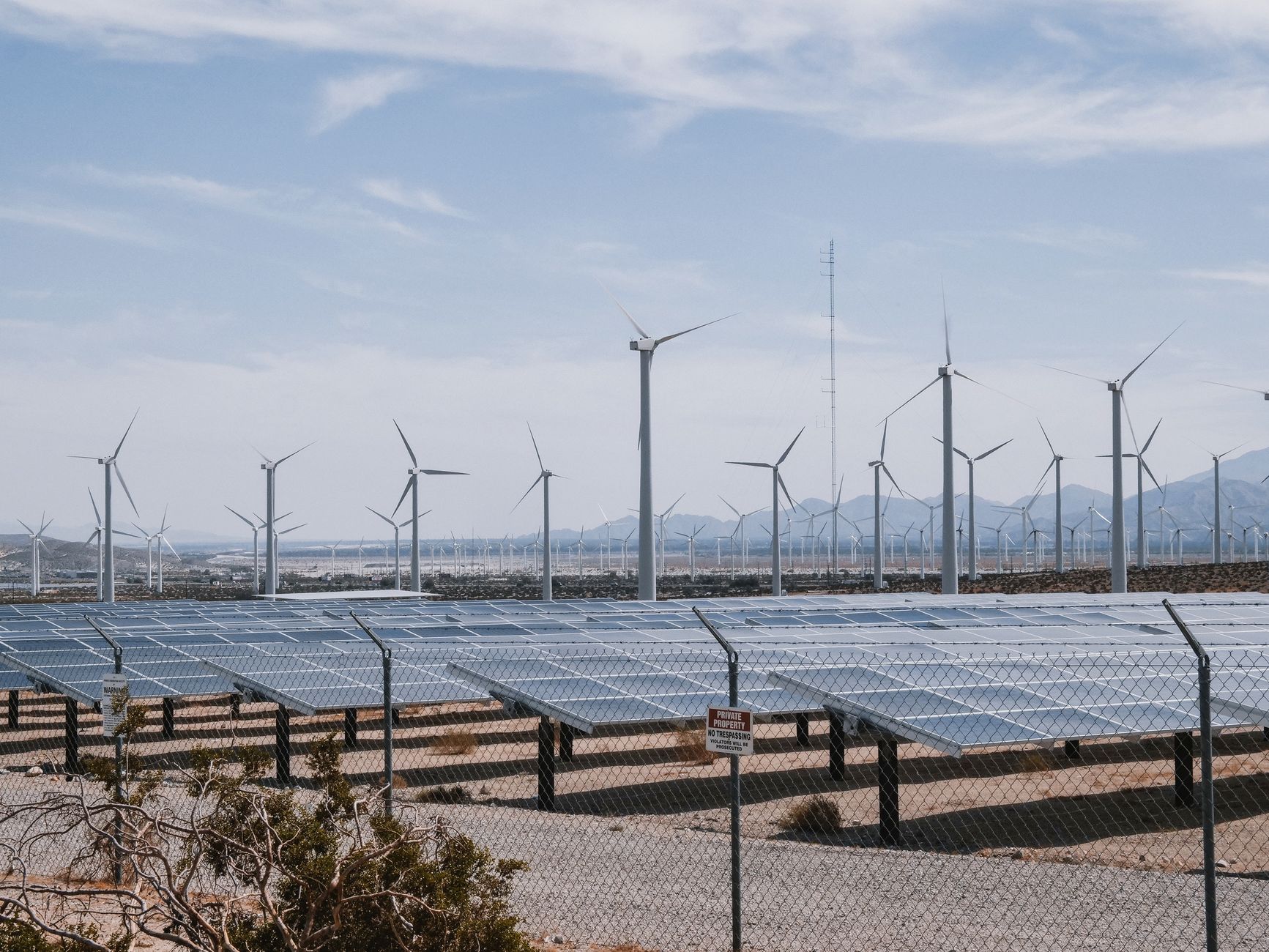
Power Sector Stakeholders Meet to Turn Pakistan's 2040 Clean-Energy Target Into a Plan
A national workshop convened by the LUMS Energy Institute on September 24 brought together the Ministry of Energy, NTDC, NEPRA-adjacent bodies and thermal plant operators to work out how Pakistan actually implements its goal of 95% renewable electricity by 2040.
BBP Energy Desk · September 24, 2026 · 4 min