The US-Iran War Has Settled Into Attrition — and Pakistan Is Caught in the Economic Crossfire
Seven months after it began, the US-Iran conflict has become a war of attrition — collapsed ceasefires, renewed sanctions, and a Strait of Hormuz still disrupted. None of that has stayed contained to the Middle East.
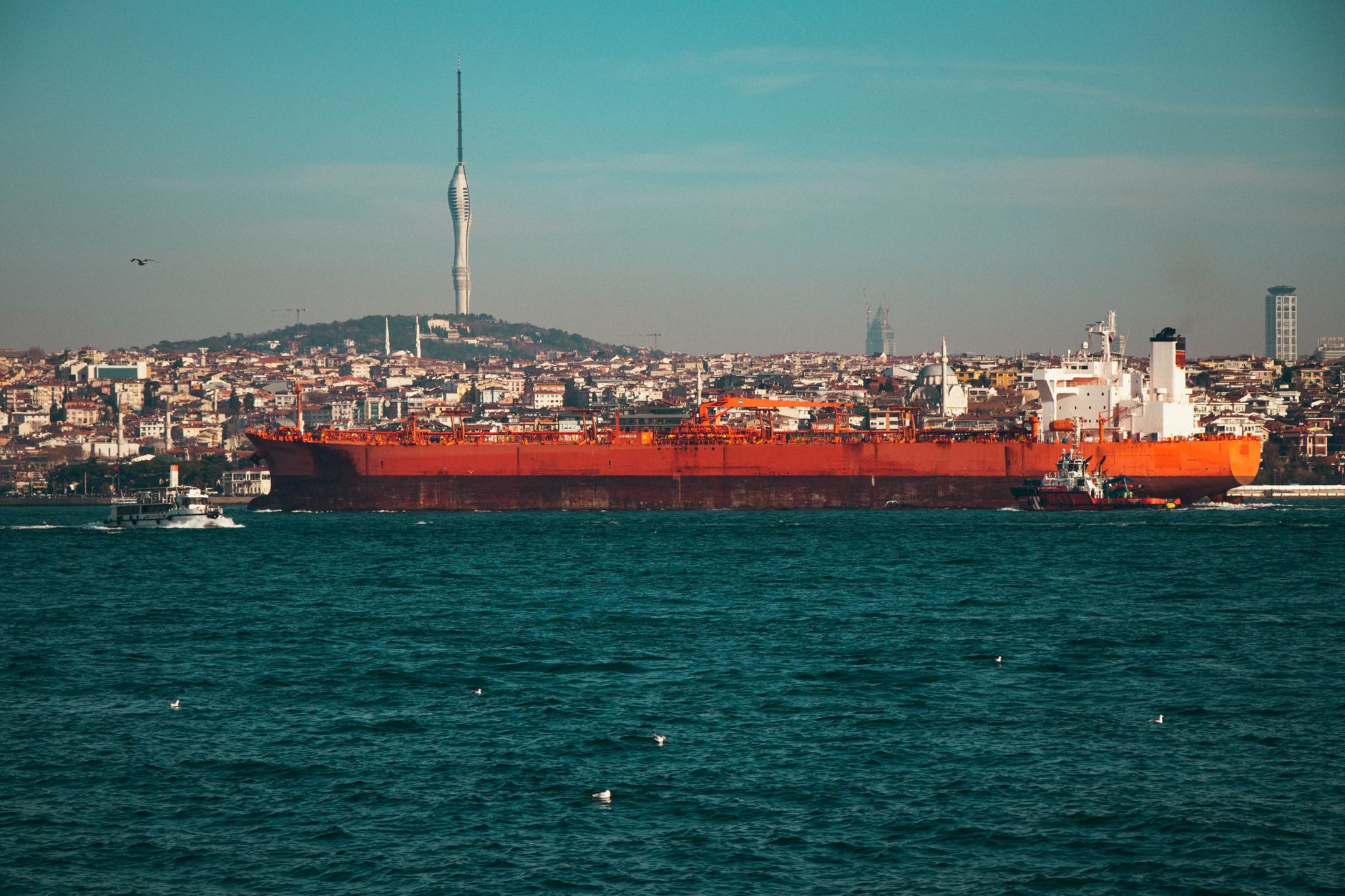
Photo by Burak Basgoze / Pexels
Seven months after it began, the US-Iran war shows no sign of resolving into either a lasting peace or a decisive outcome — and the closer it drags on, the more its effects reach economies with no direct role in the fighting, Pakistan's among them.
How the war got here
The conflict began in late February 2026 and has since moved through several failed off-ramps. The US and Iran agreed to a ceasefire in April, then signed a memorandum of understanding in June aimed at a broader settlement. Both collapsed: the MoU formally expired in August after weeks of renewed fighting, triggered specifically on July 8 when Iran began attacking commercial vessels in the Strait of Hormuz to assert its claimed sovereignty over the waterway. As of September 2026, the two sides are described as locked in a war of attrition — trading limited strikes while the US runs a redoubled sanctions campaign and regional governments attempt to restart diplomatic engagement.
In late August, the Trump administration escalated economic pressure further with a sanctions push officials dubbed "Operation Economic Outcast" — described by Treasury Secretary Scott Bessent as an unprecedented effort to sever Iran's economic lifelines. Analysts assess Iran's capacity to sustain further attacks as limited, with the country facing an increasingly difficult economic position of its own.
Why this has been a Pakistani economic story all year
For a conflict with no Pakistani combatants, this war has had an outsized effect on ordinary life in Pakistan. Disruption to shipping through the Strait of Hormuz — a chokepoint for a large share of the world's oil trade — pushed international crude prices higher and more volatile through 2026. That volatility is the direct reason Pakistan moved its own fuel-pricing mechanism from a fortnightly review to weekly, then to a full daily cadence by July 17, 2026, a change we've covered in detail in our petrol and diesel pricing explainer. The same volatility factored into the State Bank of Pakistan's decision to hold its policy rate at 11.5% in September, as covered in our KIBOR explainer.
Where Pakistan has positioned itself
Pakistan's official response to US pressure over Iran has been notably measured. Foreign Office spokesperson Tahir Andrabi stated in early September that Pakistan is "following international law, and our bilateral trade agreements with Iran" — language that asserts policy continuity rather than signaling any shift toward Washington's position. That's a deliberate balancing act: Pakistan shares a long, historically important border and trade relationship with Iran, while also depending on US relations for other strategic and economic reasons, including its ongoing IMF program.
At the same time, ties with Washington have had unusually warm moments this year — Pakistan's government formally recommended President Trump for the 2026 Nobel Peace Prize, citing his diplomatic intervention in a separate regional dispute, and Trump has publicly praised Pakistan and Prime Minister Shehbaz Sharif at this year's UN General Assembly, as we've covered separately.
The through-line for Pakistani readers
Whatever happens next in the US-Iran conflict, the mechanism by which it reaches Pakistani households is now well established: oil-market volatility flows into pump prices within a day, into the exchange rate and interest-rate decisions within weeks, and into the broader cost-of-living picture from there. A war with no Pakistani participants has, for most of 2026, been one of the more consistent drivers of Pakistani economic headlines.
Build Better Pakistan's Foreign Desk tracks how international conflicts and diplomacy affect Pakistan's economy and foreign relations.
This article is part of our Security coverage — Public safety, policing and community trust.
Frequently Asked Questions
- When did the US-Iran war start, and is it still ongoing?
- The conflict began in late February 2026 and, as of September 2026, remains ongoing as a war of attrition — the US and Iran are trading limited strikes amid renewed US sanctions, after an April ceasefire and a June memorandum of understanding both collapsed by August.
- How has Pakistan responded to US pressure over Iran?
- Pakistan's Foreign Office has taken a measured, carefully worded position asserting continuity in its bilateral relationship with Iran, following international law and existing trade agreements rather than subordinating that relationship to US sanctions pressure.
Related Reading

11 Children Hurt as School Van's Brakes Fail, Catches Fire in Murree
A private school van went off Sign Road in Murree's Masiari area on September 29 after its brakes failed, then caught fire. Eleven children were injured, four critically, and police say the van was carrying no fire extinguisher. Punjab's chief minister has ordered vehicle fitness checks on rural school transport.
BBP Security Desk · September 29, 2026 · 3 min

Explosion Destroys Hotel on Mastung's National Highway Stretch
A blast levelled the Madina Hotel in Mastung's Khadkocha area late on September 28, shattering windows and destroying an adjoining shop and more than 250 solar panels. No one was inside, and police are treating it as a suspected IED attack in a district with a recent run of militant incidents.
BBP Security Desk · September 29, 2026 · 4 min
Gunmen Kill Three Traffic Police in Tank, Snatch Then Abandon Their Vehicle
Motorcycle-borne attackers opened fire on a traffic police van in Tank's Wazirabad Bazaar on September 28, killing three officers and wounding two bystanders before fleeing with the vehicle, which police recovered nearby. No group has claimed the attack, but investigators suspect the Tehrik-e-Taliban Pakistan.
BBP Security Desk · September 28, 2026 · 3 min