Power Sector Stakeholders Meet to Turn Pakistan's 2040 Clean-Energy Target Into a Plan
A national workshop convened by the LUMS Energy Institute on September 24 brought together the Ministry of Energy, NTDC, NEPRA-adjacent bodies and thermal plant operators to work out how Pakistan actually implements its goal of 95% renewable electricity by 2040.
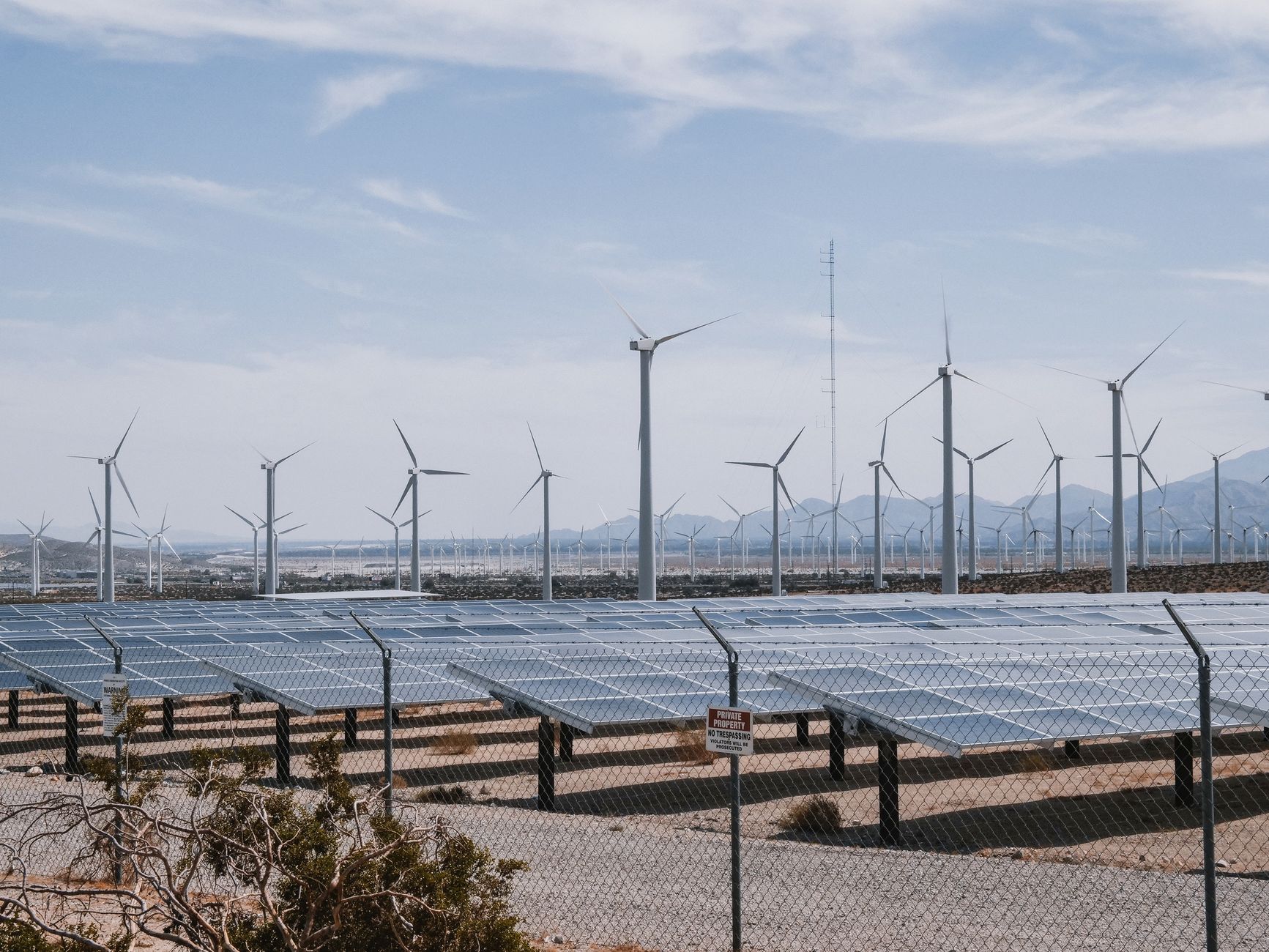
Photo by Kindel Media / Pexels
Pakistan's power sector has a renewable energy target on paper — 95% clean electricity by 2040. On September 24, 2026, the harder question got its first serious public airing: how does a grid built around thermal generation actually get there without blackouts, stranded assets or a fight over who pays for the transition. The LUMS Energy Institute convened a National Consultative Workshop on Renewable Energy Transition in Lahore, bringing together the Ministry of Energy, the National Transmission and Despatch Company, the Independent System Market Operator, the Water and Power Development Authority, thermal power plant operators and equipment manufacturers to work through implementation.
The target has existed for months — the plan hasn't
Pakistan's headline numbers were set earlier in 2026: 60% of electricity from clean sources by 2030, 50% renewable generation by 2035, and 95% by 2040, alongside phasing out or converting roughly 14,000 megawatts of fossil-fuel capacity by the middle of the next decade. What September's workshop addressed was the gap between announcing a target and actually sequencing it — a roadmap built on the Institute's own technical report, "The Net Zero Transition: A Pathway to Clean and Sustainable Electricity by 2040," which lays out an estimated 8,500 MW of new solar, 14,000 MW of wind, and 7,000 MW of battery storage capacity (holding 42,000 MWh) over a 15-year build-out, backed by transmission-grid reinforcement.
Five priorities, and an unresolved question about thermal plants
Participants converged on five implementation priorities: coordinating renewable-capacity growth with transmission expansion so new solar and wind farms aren't stranded without grid connections, scaling up energy storage and demand-side measures, improving grid flexibility, securing what planners call "grid-support services" — the technical functions like voltage and frequency control that variable renewable output complicates — and assigning clear institutional ownership through a phased plan rather than leaving responsibility diffuse across agencies. Notably, thermal plant representatives and equipment manufacturers at the workshop expressed interest in conversion projects — repurposing existing fossil-fuel infrastructure rather than retiring it outright — opening a possible middle path between full plant closures and the status quo, with plant-specific technical assessments expected to follow.
Why the sequencing question matters for consumers now
The stakes are not abstract for a sector that has spent 2026 lurching from one fuel-cost crisis to the next. Pakistani consumers have absorbed five consecutive months of fuel charge adjustments tied to the cost of running thermal plants, and the country's long-standing circular debt problem is, at its root, a story about generation costs outrunning what the system collects. A credible shift toward cheaper renewable generation is one of the few paths regulators have to bring both down structurally, rather than managing the fallout month to month — but only if the transmission and storage buildout keeps pace with new generation, which is precisely the sequencing risk this week's workshop was convened to address. It also lands alongside separate policy moves this year to change rooftop solar net-metering rules, underscoring how contested and multi-front Pakistan's energy transition has become even before large-scale wind and storage projects break ground.
What comes next
The Institute said recommendations and institutional responsibilities from the workshop will be consolidated into a formal document, with a separate pre-feasibility assessment of thermal-to-synchronous-condenser conversions expected to be published before the end of 2026. No binding timeline or funding commitment was announced at the workshop itself — the priorities agreed on are a starting framework, not yet a funded plan, and the Ministry of Energy has not said when it will formally adopt the recommendations.
Build Better Pakistan's Energy Desk tracks Pakistan's power-sector policy, tariff decisions and the shift toward renewable generation.
This article is part of our Energy coverage — Circular debt, load-shedding and the push toward a reliable power grid.
Frequently Asked Questions
- What is Pakistan's renewable energy target, and what happened on September 24?
- Pakistan has set a target of 95% renewable electricity by 2040, with an interim goal of 60% clean energy by 2030 and 50% renewable generation by 2035. On September 24, 2026, the LUMS Energy Institute convened a National Consultative Workshop bringing together the Ministry of Energy, the National Grid Company, the Independent System Market Operator, WAPDA and power generation companies to work out how to implement that target.
- What did the workshop actually decide?
- Participants identified five implementation priorities: aligning renewable generation growth with transmission development, expanding energy storage and demand-side measures, strengthening grid flexibility, securing grid-support services, and assigning clear institutional responsibilities through a phased action plan. The roadmap envisions roughly 8,500 MW of new solar, 14,000 MW of wind, and 7,000 MW / 42,000 MWh of battery storage, alongside phasing out or converting 14,000 MW of fossil-fuel plants by 2035.
Related Reading
Petrol Falls to Rs387.54, Diesel to Rs402.24 in Second Straight Price Cut
The government cut petrol by Rs1.49 and high-speed diesel by Rs2.73 per litre for the fortnight starting September 30, the second consecutive reduction as retreating global oil prices bring the cumulative cut to Rs3.76 and Rs6.29 per litre respectively.
BBP Energy Desk · September 29, 2026 · 3 min
Pakistan Negotiated Directly With Iran to Get Its Second September LNG Cargo Through Hormuz
Pakistan secured passage for a second Qatari LNG cargo through the Strait of Hormuz this month by negotiating directly with Iran — the third time this year Islamabad has struck its own side deal to keep gas moving, after Iranian strikes knocked out 17% of Qatar's export capacity in March.
BBP Energy Desk · September 29, 2026 · 4 min
Petrol Subsidy Is Running Rs10 Billion a Month Over Budget — Government Says It'll Pay Anyway
Ten days after launch, Pakistan's Rs100-per-litre fuel relief scheme is costing Rs35-40 billion a month against an original Rs25-30 billion estimate. The petroleum minister says it'll run up to 10 months regardless, and the IMF isn't objecting.
BBP Energy Desk · September 27, 2026 · 4 min