Pakistan's Rooftop Solar Boom Hits a Policy Wall
Pakistan became one of the world's largest solar-panel importers on the back of a consumer-driven rooftop solar boom — but new NEPRA regulations ending unit-for-unit net metering, and a sharp drop in 2026 imports, suggest the boom's easiest phase may be over.
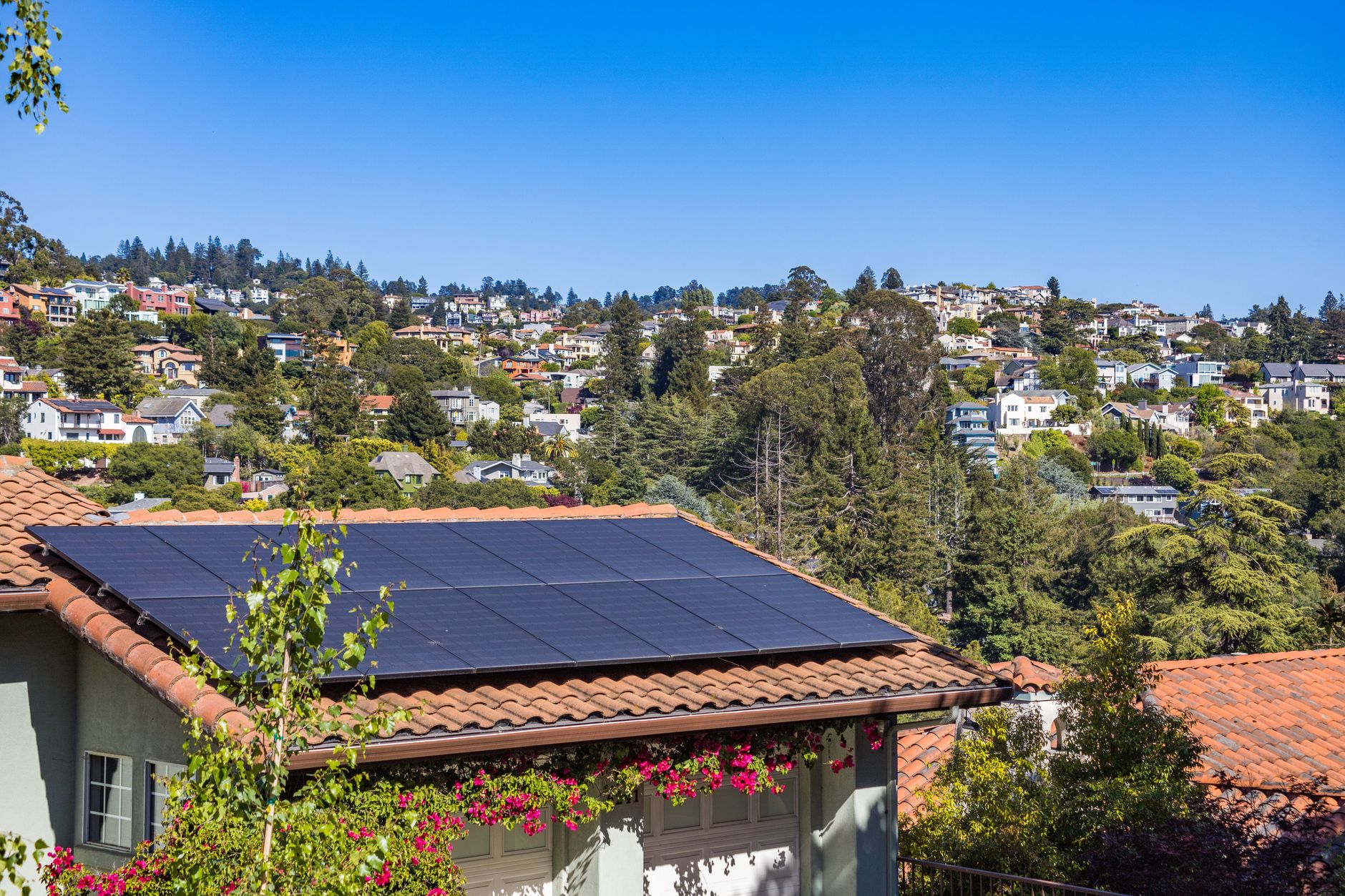
Photo by Robert So / Pexels
Pakistan's rooftop solar boom has been one of the more remarkable consumer-driven energy shifts anywhere in the world in recent years — but 2026 data suggests the easiest phase of that boom may be behind it.
How big the boom got
Net-metered rooftop solar capacity rose from under 1 GW in 2023 to roughly 4.9 GW by March 2025 — growth so fast that installations became visible from satellite imagery. By the summer of 2025, solar had become Pakistan's single largest source of electricity during peak months, generating around a quarter of total power at times. At the national level, Pakistan imported 7.6 GW of solar panels in 2023, then 16.4 GW in 2024, then 16.9 GW in 2025 — making it the second-largest solar panel importer in the world that year.
What actually drove it
This wasn't a government-led clean-energy program. The driving force was consumer desperation: recurring circular debt in the power sector (which we cover in detail in our circular debt explainer), repeated tariff hikes, and unreliable grid supply pushed households, businesses, and factories to generate their own electricity rather than depend on the national grid. That shift became economically viable because Chinese solar panel prices fell roughly fivefold between 2022 and 2024, putting rooftop systems within reach of a much wider range of households than would have been possible a few years earlier.
The policy change that's slowing things down
In February 2026, Pakistan's National Electric Power Regulatory Authority (NEPRA) issued new Prosumer Regulations that ended the older unit-for-unit net metering model — the mechanism that had let solar households offset their grid consumption directly, unit for unit, with the power they generated and fed back into the grid. That change fundamentally altered the payback math for a new rooftop installation.
The import numbers already show the slowdown
Between January and May 2026, Pakistan imported just 4,574 MW of solar panels, compared to 11,781 MW in the same five-month window in 2025 — a drop of roughly 61%. That's a significant deceleration from a boom that had been doubling capacity year over year just two years earlier, and it lines up with the timing of the NEPRA regulatory shift.
What this means going forward
None of this reverses the solar capacity Pakistan has already installed — that generation continues to reduce pressure on the grid and on household bills for the households that already have systems. But the sharp drop in new imports suggests that without a policy environment that preserves reasonable economics for new installations, the boom's next phase will look very different from the rapid consumer-led expansion of 2023 through 2025.
Build Better Pakistan's Energy Desk tracks Pakistan's power-sector transition as part of our ongoing energy coverage.
This article is part of our Energy coverage — Circular debt, load-shedding and the push toward a reliable power grid.
Frequently Asked Questions
- What drove Pakistan's rooftop solar boom?
- Not government policy — consumer desperation did. Recurring circular debt, tariff hikes, and unreliable grid supply pushed households and businesses to generate their own power, made economically viable by Chinese solar panel prices falling roughly fivefold between 2022 and 2024.
- What changed with NEPRA's 2026 regulations?
- In February 2026, Pakistan's National Electric Power Regulatory Authority (NEPRA) issued new Prosumer Regulations that ended the older unit-for-unit net metering model, fundamentally changing the economics that had made rooftop solar such an attractive investment for grid-connected households.
Related Reading
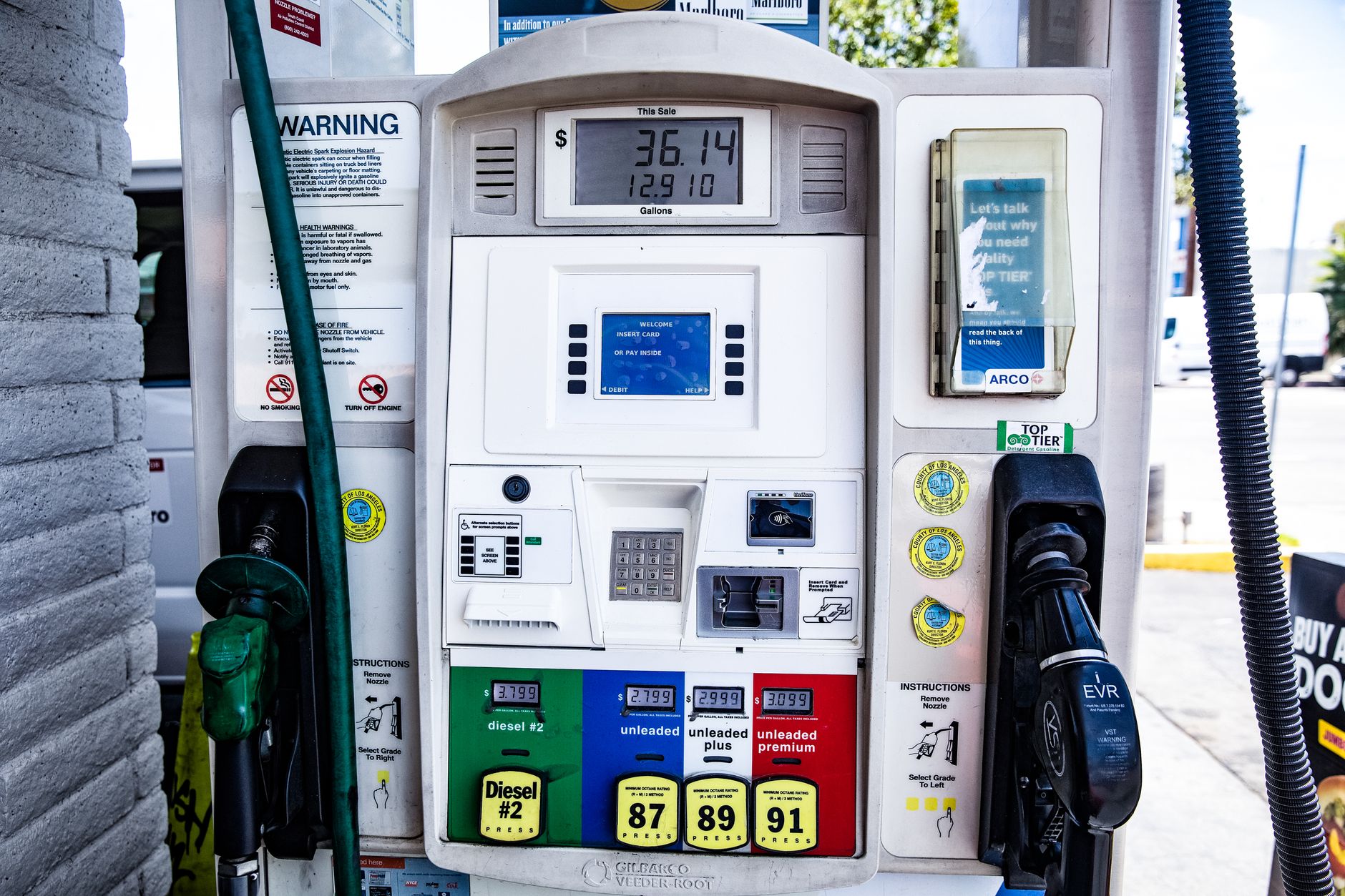
Petrol Falls to Rs387.54, Diesel to Rs402.24 in Second Straight Price Cut
The government cut petrol by Rs1.49 and high-speed diesel by Rs2.73 per litre for the fortnight starting September 30, the second consecutive reduction as retreating global oil prices bring the cumulative cut to Rs3.76 and Rs6.29 per litre respectively.
BBP Energy Desk · September 29, 2026 · 3 min

Pakistan Negotiated Directly With Iran to Get Its Second September LNG Cargo Through Hormuz
Pakistan secured passage for a second Qatari LNG cargo through the Strait of Hormuz this month by negotiating directly with Iran — the third time this year Islamabad has struck its own side deal to keep gas moving, after Iranian strikes knocked out 17% of Qatar's export capacity in March.
BBP Energy Desk · September 29, 2026 · 4 min
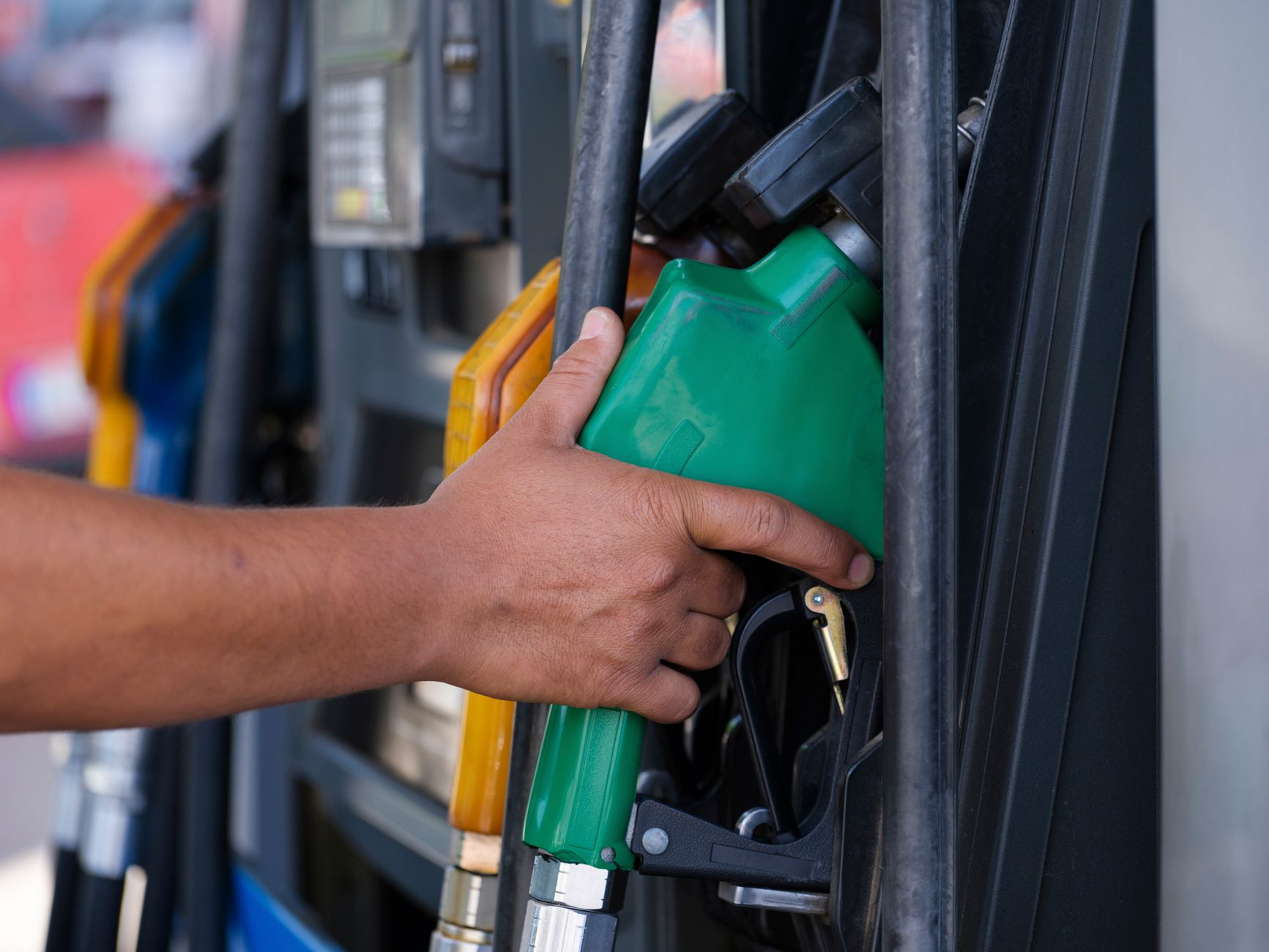
Petrol Subsidy Is Running Rs10 Billion a Month Over Budget — Government Says It'll Pay Anyway
Ten days after launch, Pakistan's Rs100-per-litre fuel relief scheme is costing Rs35-40 billion a month against an original Rs25-30 billion estimate. The petroleum minister says it'll run up to 10 months regardless, and the IMF isn't objecting.
BBP Energy Desk · September 27, 2026 · 4 min