Power Consumers Face a Fifth Straight Tariff Hike as NEPRA Reviews Rs1.73/Unit Request
The Central Power Purchasing Agency has asked NEPRA to approve a Rs1.73 per unit increase in electricity tariffs to recover August's fuel costs — the fifth consecutive monthly increase — with a public hearing set for September 29.
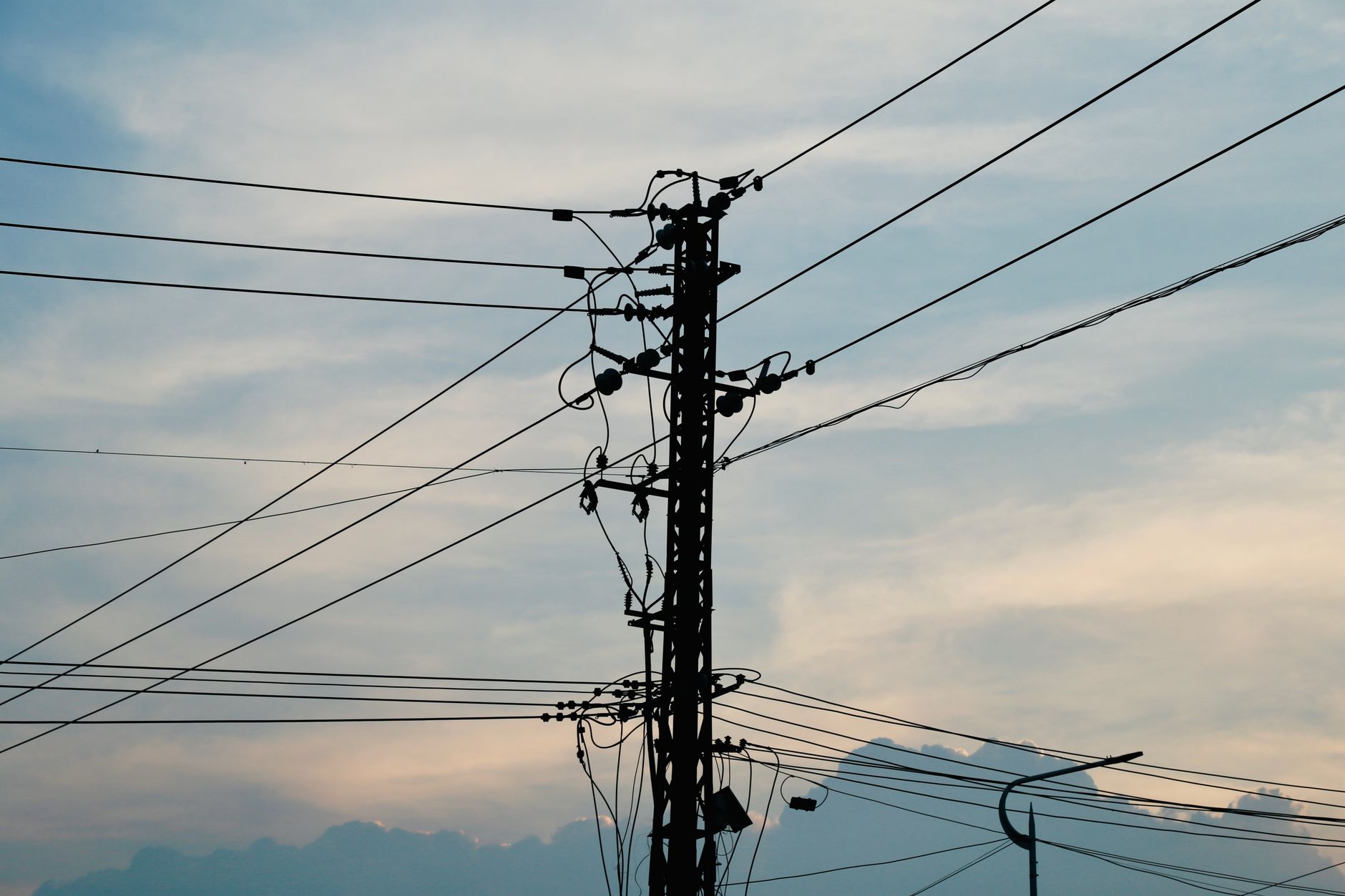
Photo by Andy Lee / Pexels
Pakistan's electricity consumers are bracing for a fifth consecutive monthly increase in their power bills, after the Central Power Purchasing Agency-Guaranteed (CPPA-G) asked the National Electric Power Regulatory Authority (NEPRA) to approve a Rs1.73 per unit fuel charges adjustment (FCA) for August 2026. NEPRA has scheduled a public hearing on the request for September 29.
What CPPA-G is asking for
CPPA-G's filing says distribution companies (Discos) were supplied 14.464 billion units of electricity in August at an average generation cost of Rs8.82 per unit. The requested Rs1.73 per unit adjustment is meant to recover the gap between that actual fuel cost and what was already built into consumers' base tariff for the month. If NEPRA approves the request as filed, it would place an additional burden of roughly Rs29.5 billion on consumers, recovered through their bills. The increase, if approved, would also apply to K-Electric's customers in Karachi, who are billed under a separate mechanism from the rest of the national grid.
Why this keeps happening month after month
The fuel charges adjustment is a monthly true-up mechanism: NEPRA sets a reference fuel cost when it determines the base tariff, and if the actual cost of generating electricity that month comes in higher — because of currency movements, the fuel mix used, or global energy prices — CPPA-G is entitled to pass the difference to consumers with roughly a two-month lag. That structure is designed to keep the sector's finances balanced rather than let losses accumulate into circular debt, which we've explained in detail separately. But it also means bills can rise sharply in months when thermal generation — more expensive than hydel or nuclear — makes up a larger share of the supply mix, exactly the dynamic behind this fifth straight increase.
The consumer side of the ledger
For households already managing a high cost of living, a fuel adjustment is layered on top of the base tariff, seasonal quarterly adjustments, and taxes — all separate line items on a Pakistani electricity bill. Successive FCA increases since around May have meant that even consumers who kept their usage flat have still seen their bills climb, a pattern distinct from — but related to — the load-shedding pressures that also shape how Pakistanis experience the power sector day to day. NEPRA's hearings are public, and past FCA requests have occasionally been trimmed or delayed after scrutiny, so the Rs1.73 figure CPPA-G has requested is not guaranteed to be the number that takes effect.
What happens next
NEPRA's September 29 hearing will determine whether the full Rs1.73 per unit request is approved, adjusted, or rejected. Any approved increase would typically appear on bills for the following billing cycle. Build Better Pakistan will update this piece once NEPRA issues its determination.
Build Better Pakistan's Energy Desk tracks NEPRA tariff decisions and their effect on household electricity bills.
This article is part of our Energy coverage — Circular debt, load-shedding and the push toward a reliable power grid.
Frequently Asked Questions
- How much could electricity bills go up by?
- The Central Power Purchasing Agency-Guaranteed (CPPA-G) has asked NEPRA to approve a Rs1.73 per unit increase under the monthly fuel charges adjustment (FCA) mechanism for August 2026. If approved, it would add an estimated Rs29.5 billion to consumers' bills, including K-Electric customers.
- When will NEPRA decide, and is this the first such increase?
- NEPRA has scheduled a public hearing for September 29, 2026. This is the fifth consecutive month CPPA-G has sought an FCA increase, meaning consumers have faced additional fuel-cost charges on top of their base tariff every month since around May 2026.
Related Reading
Petrol Falls to Rs387.54, Diesel to Rs402.24 in Second Straight Price Cut
The government cut petrol by Rs1.49 and high-speed diesel by Rs2.73 per litre for the fortnight starting September 30, the second consecutive reduction as retreating global oil prices bring the cumulative cut to Rs3.76 and Rs6.29 per litre respectively.
BBP Energy Desk · September 29, 2026 · 3 min
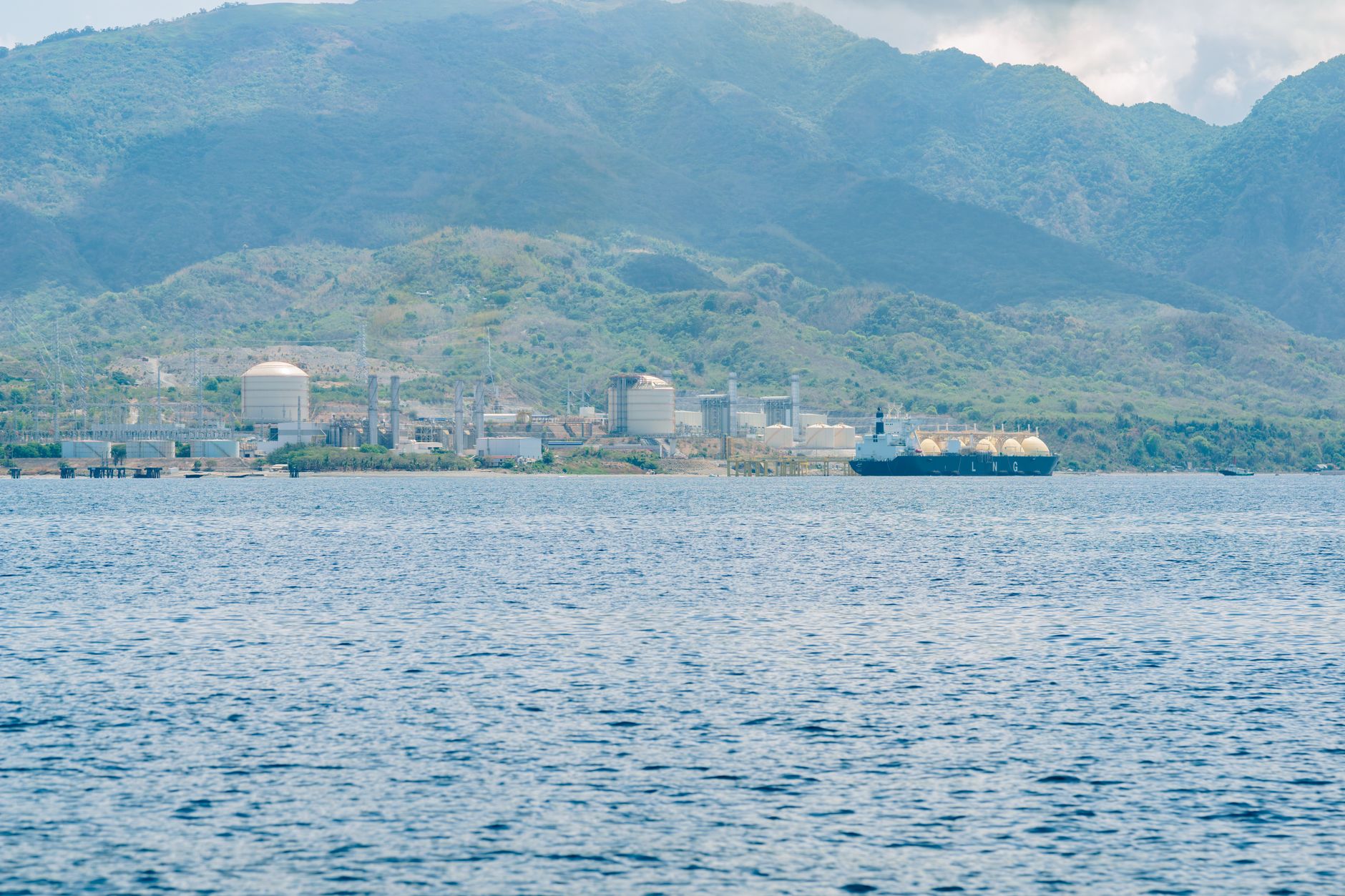
Pakistan Negotiated Directly With Iran to Get Its Second September LNG Cargo Through Hormuz
Pakistan secured passage for a second Qatari LNG cargo through the Strait of Hormuz this month by negotiating directly with Iran — the third time this year Islamabad has struck its own side deal to keep gas moving, after Iranian strikes knocked out 17% of Qatar's export capacity in March.
BBP Energy Desk · September 29, 2026 · 4 min
Petrol Subsidy Is Running Rs10 Billion a Month Over Budget — Government Says It'll Pay Anyway
Ten days after launch, Pakistan's Rs100-per-litre fuel relief scheme is costing Rs35-40 billion a month against an original Rs25-30 billion estimate. The petroleum minister says it'll run up to 10 months regardless, and the IMF isn't objecting.
BBP Energy Desk · September 27, 2026 · 4 min