Why Load-Shedding Persists Even as Pakistan's Grid Expands
Pakistan has added significant power generation capacity over the past decade. So why do scheduled outages remain a fact of daily life in much of the country?
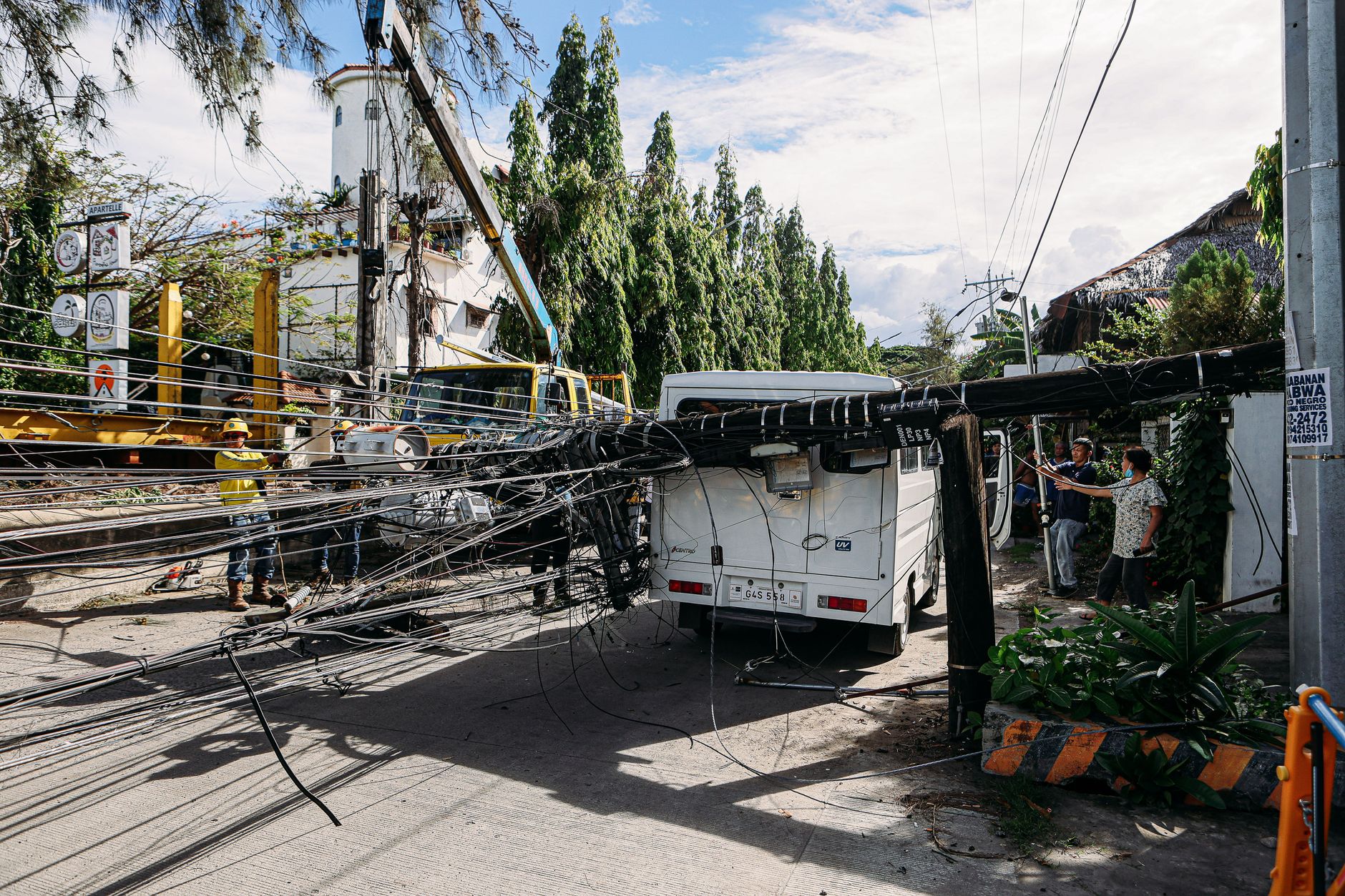
Photo by Denniz Futalan / Pexels
It's a paradox that frustrates households and businesses alike: Pakistan's installed power generation capacity has grown substantially over the past decade, yet scheduled outages — load-shedding — remain routine in large parts of the country, particularly outside major urban centers.
Capacity isn't the same as delivery
The core of the paradox is that generation capacity and reliable electricity delivery are two different problems. Having enough power plants to theoretically meet demand doesn't guarantee that electricity reaches every household and business reliably, for a few interconnected reasons:
- Transmission bottlenecks. Much of the added generation capacity in recent years has come from new plants, but the transmission network connecting them to distribution grids hasn't always expanded at the same pace, creating chokepoints.
- Distribution company finances. As explored in our companion piece on circular debt, financially distressed distribution companies sometimes cannot afford to draw the full electricity they need, or under-invest in the local infrastructure required to deliver it reliably.
- Regional disparities. Areas with higher rates of unbilled or stolen electricity often see more frequent scheduled outages, as utilities attempt to limit losses by rationing supply to those areas — a policy that, while financially rational for the utility, disproportionately affects lower-income communities.
- Seasonal demand swings. Peak summer cooling demand can strain even an adequately sized grid, especially where infrastructure maintenance has been deferred.
The gap between capacity and delivery, in numbers
The scale of the paradox is easier to see with real figures: Pakistan's installed generation capacity now exceeds 46,000 MW, yet actual system availability can fall to somewhere between 12,000 and 20,000 MW under stress conditions — driven by fuel supply constraints, hydrology (how much water is available for hydropower), transmission limits, and distribution-company liquidity, not a shortage of power plants. That gap is the paradox in a single comparison.
It's also not a one-off: the Power Division reintroduced scheduled load-shedding of up to 2.25 hours a day during peak evening hours (5pm–1am) in April 2026, officials declared it resolved by May 2026, and unannounced outages were still being reported as recently as September 2026 in some areas — a pattern of the problem receding from headlines without fully going away.
The uneven experience of outages
Load-shedding in Pakistan is rarely evenly distributed. Urban centers and industrial zones — where non-payment rates tend to be lower and political visibility higher — generally experience fewer and shorter outages than rural and peri-urban areas. This creates a layered inequity: communities that already face greater economic hardship often also bear a disproportionate share of unreliable electricity access, which in turn limits opportunities for small business growth and education (evening study, for instance, is directly affected by outage schedules).
What closing the gap would require
Energy planners and engineers generally point to a mix of near-term and longer-term measures:
- Targeted transmission and distribution upgrades in the bottleneck regions where new generation capacity isn't reaching consumers efficiently.
- Smart metering and loss-reduction programs that make it easier to identify and address non-technical losses without resorting to blanket outages.
- Demand-side management, including incentives for reduced peak-hour consumption, to ease strain during the highest-demand periods.
- Distributed and renewable generation, particularly solar, which can reduce dependence on the centralized grid in areas furthest from reliable transmission infrastructure — a trend already accelerating among households and businesses that can afford the upfront investment.
- Continued resolution of circular debt, since distribution company solvency is directly tied to their ability to maintain and expand local grid infrastructure.
A gap that reflects deeper inequities
Ultimately, the persistence of load-shedding despite capacity growth is less a story about insufficient electricity and more a story about how unevenly that electricity gets delivered — and who bears the cost of a system still catching up to the country's needs.
This piece is part of Build Better Pakistan's ongoing energy sector coverage, paired with our explainer on circular debt.
This article is part of our Energy coverage — Circular debt, load-shedding and the push toward a reliable power grid.
Related Reading
Petrol Falls to Rs387.54, Diesel to Rs402.24 in Second Straight Price Cut
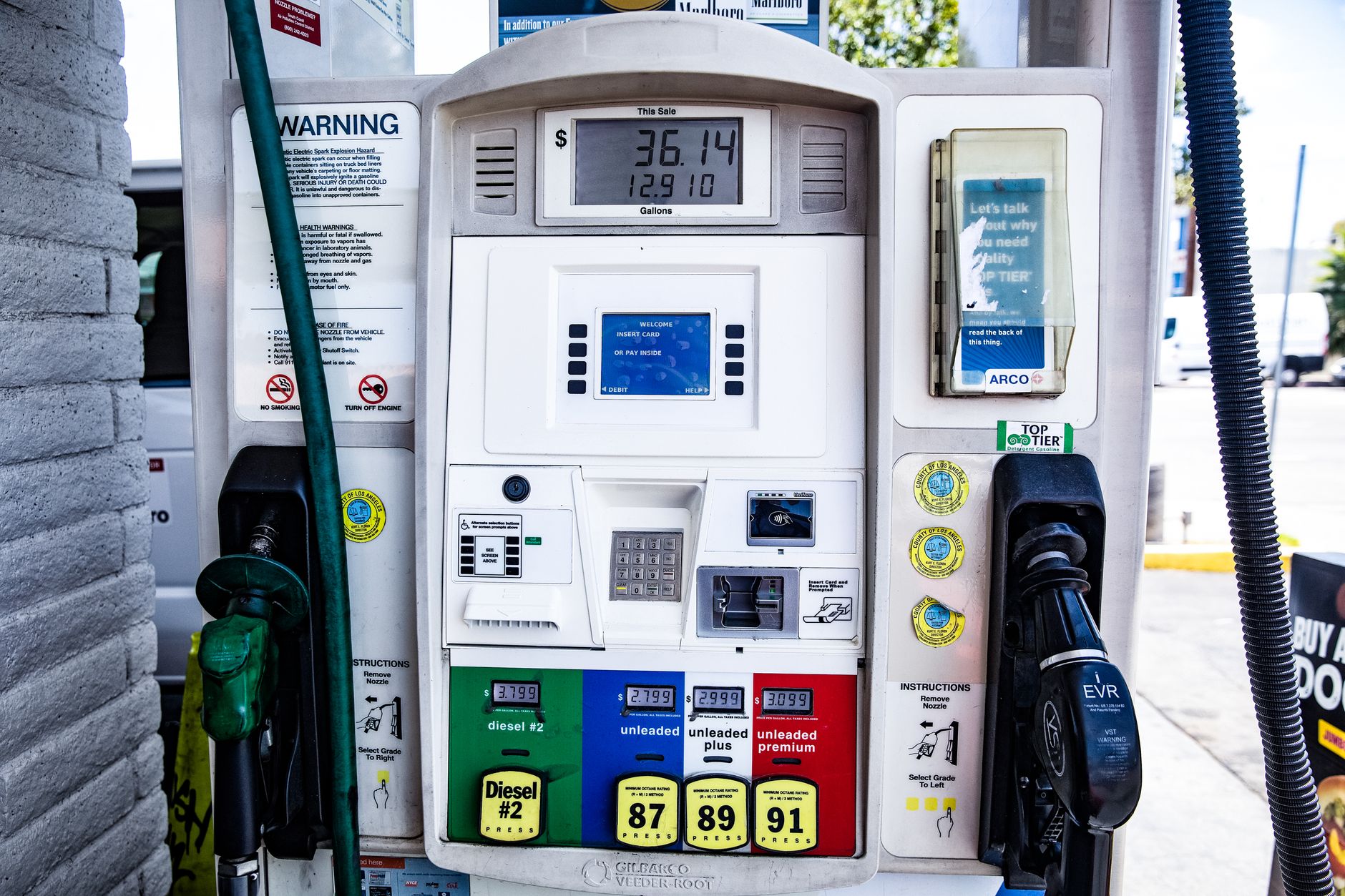
The government cut petrol by Rs1.49 and high-speed diesel by Rs2.73 per litre for the fortnight starting September 30, the second consecutive reduction as retreating global oil prices bring the cumulative cut to Rs3.76 and Rs6.29 per litre respectively.
BBP Energy Desk · September 29, 2026 · 3 min
Pakistan Negotiated Directly With Iran to Get Its Second September LNG Cargo Through Hormuz
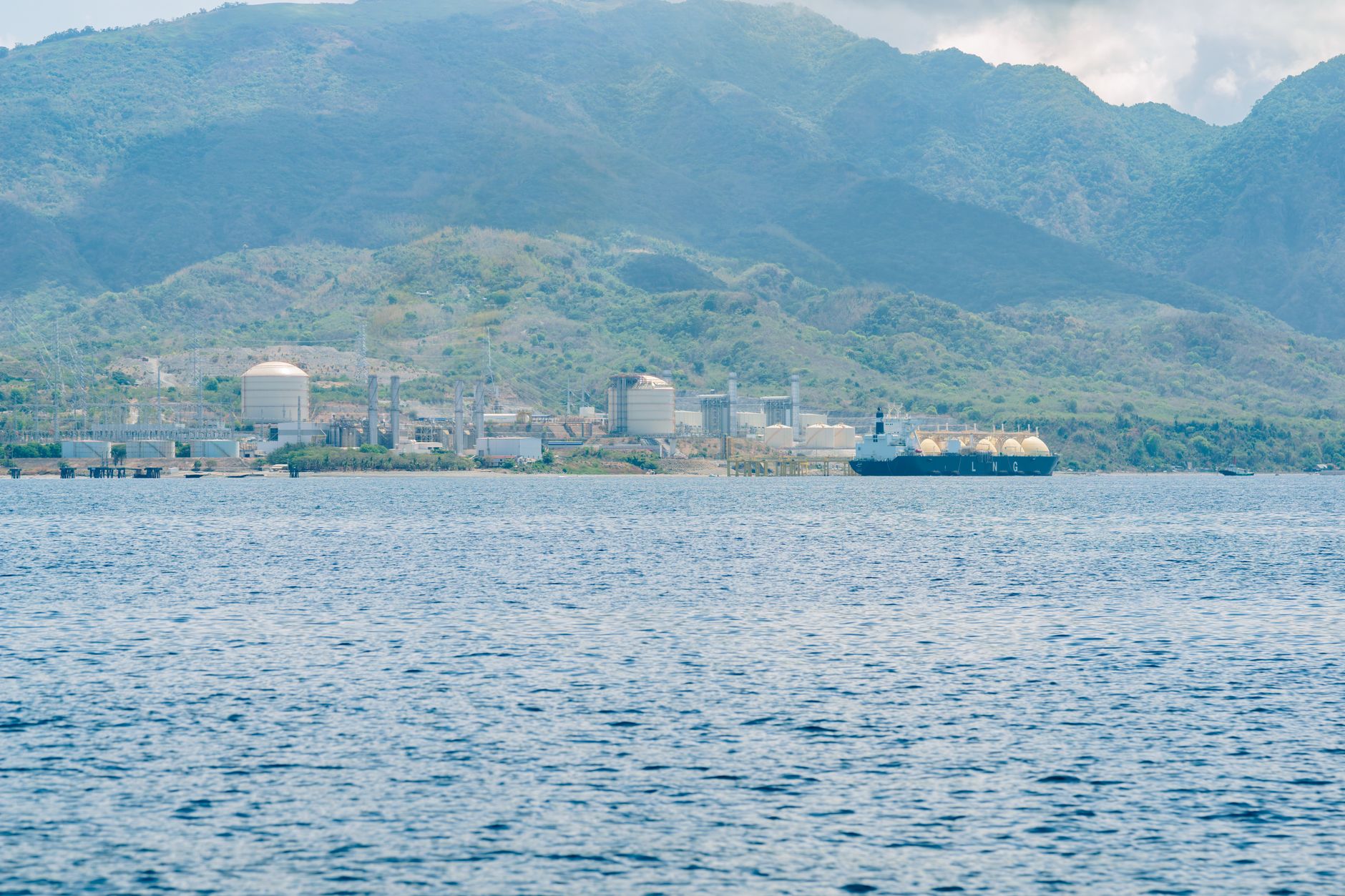
Pakistan secured passage for a second Qatari LNG cargo through the Strait of Hormuz this month by negotiating directly with Iran — the third time this year Islamabad has struck its own side deal to keep gas moving, after Iranian strikes knocked out 17% of Qatar's export capacity in March.
BBP Energy Desk · September 29, 2026 · 4 min
Petrol Subsidy Is Running Rs10 Billion a Month Over Budget — Government Says It'll Pay Anyway
Ten days after launch, Pakistan's Rs100-per-litre fuel relief scheme is costing Rs35-40 billion a month against an original Rs25-30 billion estimate. The petroleum minister says it'll run up to 10 months regardless, and the IMF isn't objecting.
BBP Energy Desk · September 27, 2026 · 4 min