Inside Pakistan's Inflation Crisis: What's Driving the Cost of Living Higher
From energy tariffs to the price of flour, ordinary households have absorbed years of compounding cost pressure. We break down the main drivers — and what relief could realistically look like.

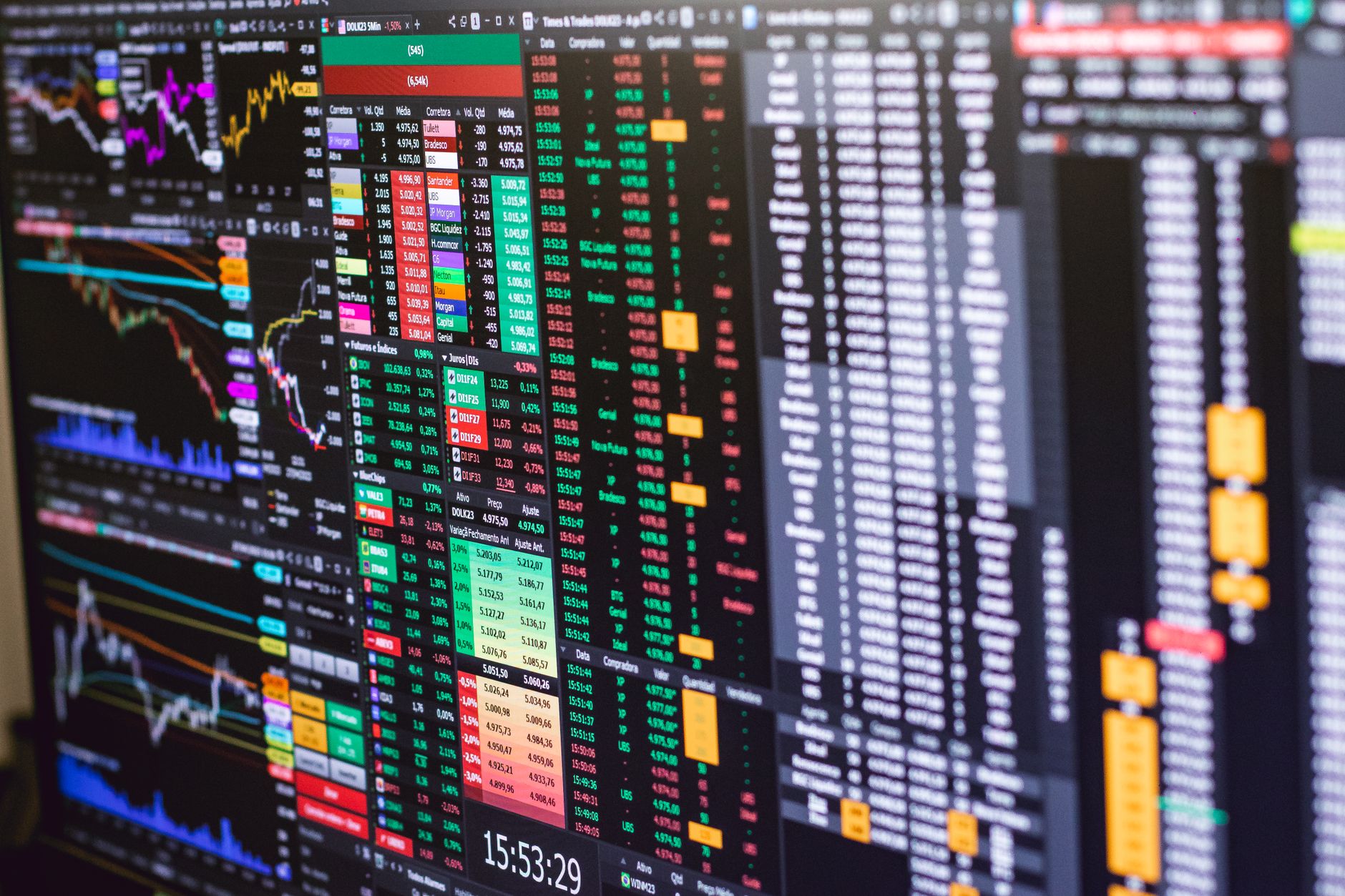
Photo by Ellie Burgin / Pexels
For millions of Pakistani households, inflation stopped being an abstract economic indicator years ago and became a lived, monthly experience: a grocery bill that buys less than it used to, a utility bill that keeps climbing, and a rupee that stretches less far with every passing season.
The main pressure points
Economists generally point to a combination of structural and cyclical factors behind Pakistan's persistently high inflation:
- Currency depreciation. A weaker rupee makes imported fuel, edible oil, and other essentials more expensive in local-currency terms, feeding directly into headline inflation.
- Energy price pass-through. Electricity and gas tariff adjustments, often tied to IMF program commitments and the country's energy circular debt, ripple through the cost of nearly everything else, from transport to manufacturing.
- Food supply volatility. Flooding, erratic weather and supply-chain disruptions periodically squeeze the supply of staples like wheat and vegetables, pushing food prices up sharply even when other categories stabilize.
- Fiscal and monetary tightening. Efforts to stabilize the currency and meet international lender conditions have generally required higher interest rates and reduced subsidies — both of which cool inflation over time but raise costs in the near term.
Who absorbs the impact
Inflation rarely hits everyone equally, and Pakistan is no exception. Lower-income households spend a much larger share of their budget on food and energy, the two categories that have seen some of the sharpest price swings. That means headline inflation figures, even when they ease, often understate the pressure still felt at the household level for families with the least room to absorb it.
Small businesses report a related squeeze: financing costs tied to elevated interest rates make it harder to invest or maintain inventory, even as consumer demand softens.
Where inflation actually stands, and why it's been volatile in 2026
Rather than a steady trend in one direction, headline inflation has swung within a fairly narrow but elevated band through 2026: 11.7% year-on-year in May, 11.0% in June, 9.2% in July, then back up to 11.15% in August — a pattern consistent with a rate being pushed around by an external shock rather than settling. Food inflation has been the most consistent upward pressure, and transport costs specifically were running at roughly 25.7% year-on-year as of June 2026.
That transport figure isn't a coincidence: it lines up with the renewed US-Iran conflict's disruption of regional oil markets and shipping through the Strait of Hormuz across 2026, which we cover in more detail in our explainer on petrol and diesel pricing. Fuel costs feed almost immediately into transport prices, and from there into the cost of moving food and goods to market — one of the clearest, fastest channels by which an international energy shock becomes a domestic grocery-bill problem.
Signs of stabilization — and their limits
Periods of relative currency stability and easing global commodity prices have, at times, brought headline inflation down from its peaks — July 2026's dip to 9.2% being a recent example. Analysts generally view this kind of improvement as encouraging but fragile: much of it depends on conditions outside Pakistan's direct control, including global energy prices and the health of the current IMF program, and can reverse within a month or two if either shifts, as August's rebound to 11.15% illustrated.
What durable relief would require
Most economists agree that bringing inflation down sustainably — rather than temporarily — requires progress on several fronts at once:
- Broadening the tax base so that fiscal stability doesn't rely disproportionately on indirect taxes and utility price hikes that fall hardest on lower-income households.
- Resolving the energy sector's circular debt, which currently forces periodic tariff increases regardless of household ability to pay.
- Building larger, better-targeted social safety nets so that stabilization measures don't leave the most vulnerable households further behind.
- Diversifying exports to reduce the recurring balance-of-payments pressure that drives currency instability in the first place.
None of these are quick fixes, and each involves difficult trade-offs. But together they represent the difference between managing inflation crisis to crisis and addressing the structural conditions that keep producing one.
Build Better Pakistan tracks household cost-of-living indicators and policy responses as part of our ongoing economy coverage.
This article is part of our Economy coverage — Inflation, growth, trade and the everyday cost of living across Pakistan.
Related Reading

Aurangzeb Opens Islamabad Round of IMF Talks, With $1.2 Billion Riding on It
Finance Minister Muhammad Aurangzeb held a virtual kick-off meeting with IMF mission chief Iva Petrova on September 30 to formally open the policy-level round of Pakistan's fourth EFF and third RSF reviews, with roughly $1.2 billion in combined financing on the table if the talks succeed.
BBP Economy Desk · September 30, 2026 · 4 min
Shehbaz Becomes First Pakistani PM to Open London Stock Exchange Trading
Shehbaz Sharif opened a trading session at the London Stock Exchange on September 29 and met executives from JPMorgan, Barclays, Citi, BlackRock and Rothschild & Co, pitching Pakistan as a destination for foreign capital weeks after its $3 billion Eurobond drew almost $6 billion in orders.
BBP Economy Desk · September 29, 2026 · 4 min

10,000 Civil Servants Must Declare Assets by October 30 Under New IMF Benchmark
As the IMF mission opened fourth EFF and third RSF review talks on September 29, Islamabad confirmed that roughly 10,000 federal civil servants must digitally file asset declarations by October 30, with selected details made public by December 31 — but not the full picture.
BBP Economy Desk · September 29, 2026 · 4 min