Beyond the Headlines: Rebuilding Public Trust in Community Policing
Surveys consistently show low public trust in police across much of Pakistan. A handful of provincial reform pilots suggest trust can be rebuilt — but progress has been slow and uneven.
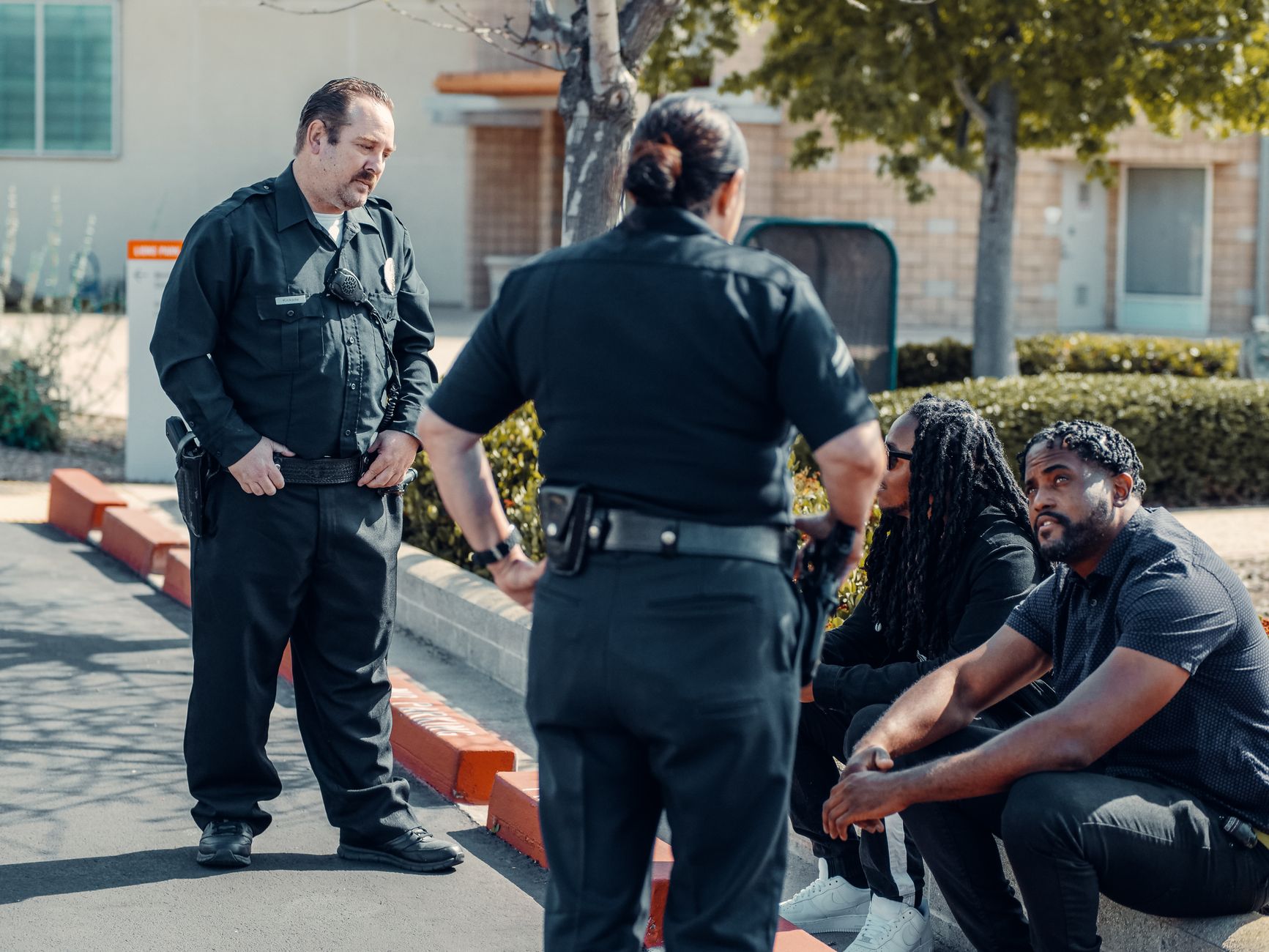
Photo by Kindel Media / Pexels
Public trust in police is a quiet but consequential indicator of how a state relates to its citizens. In much of Pakistan, that trust has historically been low — a pattern reflected consistently across independent surveys over the years — with direct consequences for crime reporting, cooperation with investigations, and the everyday sense of safety in communities.
Why trust has been slow to build
Several structural factors are commonly cited by researchers who study policing in Pakistan:
- Resourcing and training gaps. Police-to-population ratios and training investment vary significantly by province and district, with many officers managing caseloads and jurisdictions far larger than international benchmarks suggest is manageable.
- Politicization of postings and transfers. Police leadership appointments and transfers have, in various periods and jurisdictions, been influenced by political considerations rather than merit or performance, undermining institutional independence and continuity.
- Limited community engagement structures. Formal channels for community input into local policing priorities have historically been weak or inconsistently implemented across districts — and 2026 research on police training programs found community policing still receives little to no dedicated emphasis in standard training, leaving many officers without the specific skills to engage communities even where the institutional will exists.
- Accountability gaps. Mechanisms for investigating complaints against police conduct have, in many jurisdictions, lacked the independence or resourcing to function as an effective check.
What reform pilots have shown
Several provinces have experimented with community policing models over the past decade, with mixed but instructive results:
- Community liaison committees, connecting local police stations with neighborhood representatives, have shown promise in some districts for improving communication and reducing response-time complaints — though their effectiveness has depended heavily on consistent local leadership buy-in.
- Dedicated women's help desks at police stations have improved reporting rates for gender-based violence in areas where they've been properly staffed and resourced, though rollout has been uneven.
- Technology-enabled complaint and case-tracking systems have improved transparency in some jurisdictions, giving citizens visibility into case status that was previously unavailable — a small but meaningful trust-building measure.
- Merit-based leadership continuity pilots, in provinces that have experimented with fixed-tenure protections for senior police leadership, have shown some correlation with more consistent long-term reform implementation.
The gap between pilot success and system-wide change
A recurring theme across policing reform research is that promising pilots frequently struggle to scale or sustain themselves beyond their initial funding or political sponsorship window. Reform efforts tied to a specific police leader's tenure, for instance, have in several documented cases lost momentum once that individual was transferred or replaced.
What durable reform would require
Policing researchers and civil society groups generally converge on similar structural priorities:
- Depoliticizing postings and transfers, through legally protected tenure and transparent, merit-based appointment criteria for police leadership.
- Institutionalizing successful pilots into standard operating procedure and budget lines, rather than leaving them dependent on individual champions.
- Strengthening independent accountability mechanisms, giving citizens a credible, functioning avenue to report misconduct.
- Sustained investment in training and resourcing, particularly in under-resourced districts where officer caseloads remain highest.
Rebuilding public trust in policing is rarely about a single dramatic reform — it tends to accumulate through consistent, unglamorous institutional changes sustained over years. The pilots that have worked point toward a viable path; the challenge has been sustaining and scaling them beyond their initial window.
Build Better Pakistan's Security Desk tracks policing reform efforts and public safety policy across provinces.
This article is part of our Security coverage — Public safety, policing and community trust.
Related Reading
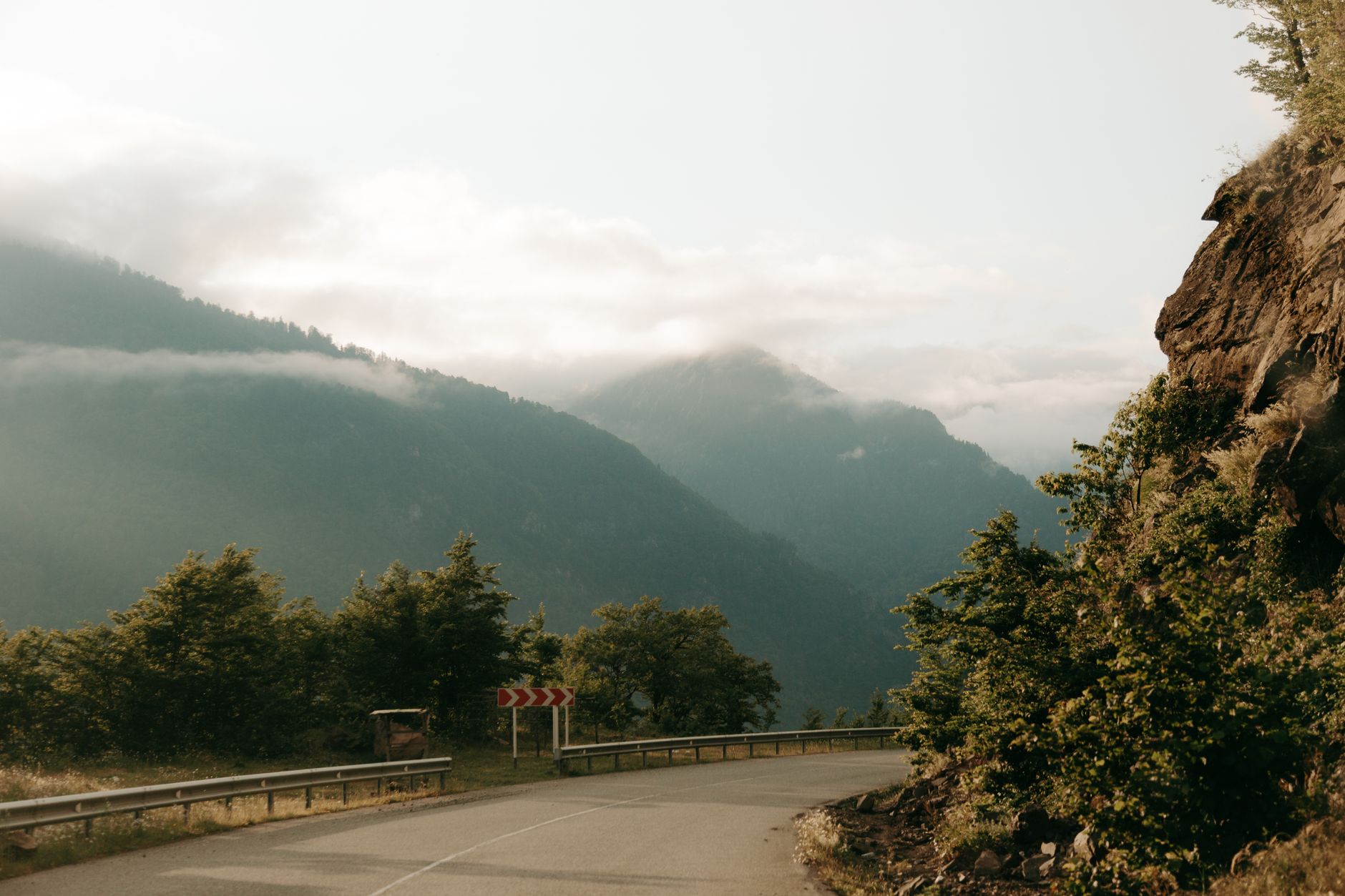
11 Children Hurt as School Van's Brakes Fail, Catches Fire in Murree
A private school van went off Sign Road in Murree's Masiari area on September 29 after its brakes failed, then caught fire. Eleven children were injured, four critically, and police say the van was carrying no fire extinguisher. Punjab's chief minister has ordered vehicle fitness checks on rural school transport.
BBP Security Desk · September 29, 2026 · 3 min
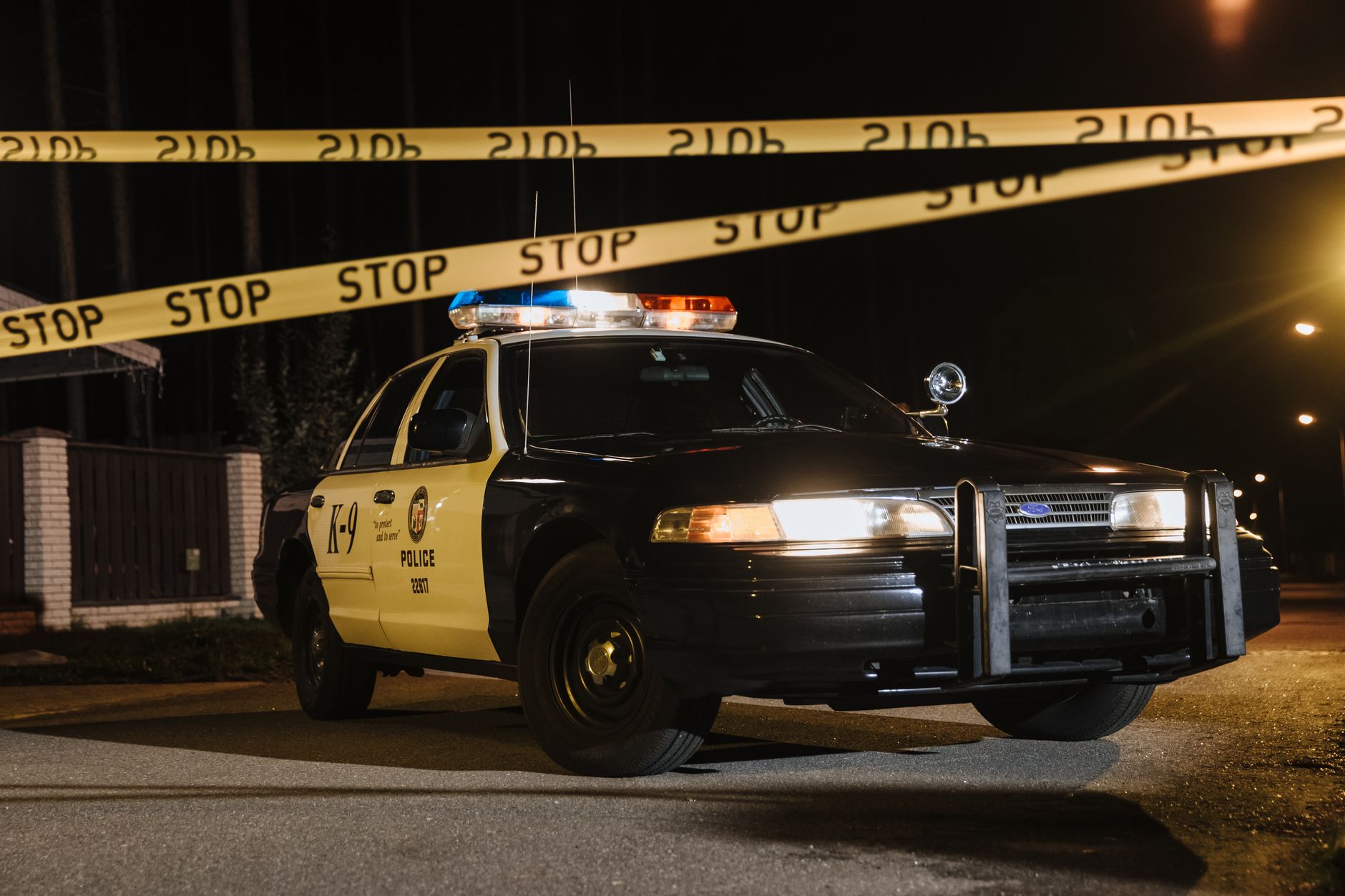
Explosion Destroys Hotel on Mastung's National Highway Stretch
A blast levelled the Madina Hotel in Mastung's Khadkocha area late on September 28, shattering windows and destroying an adjoining shop and more than 250 solar panels. No one was inside, and police are treating it as a suspected IED attack in a district with a recent run of militant incidents.
BBP Security Desk · September 29, 2026 · 4 min
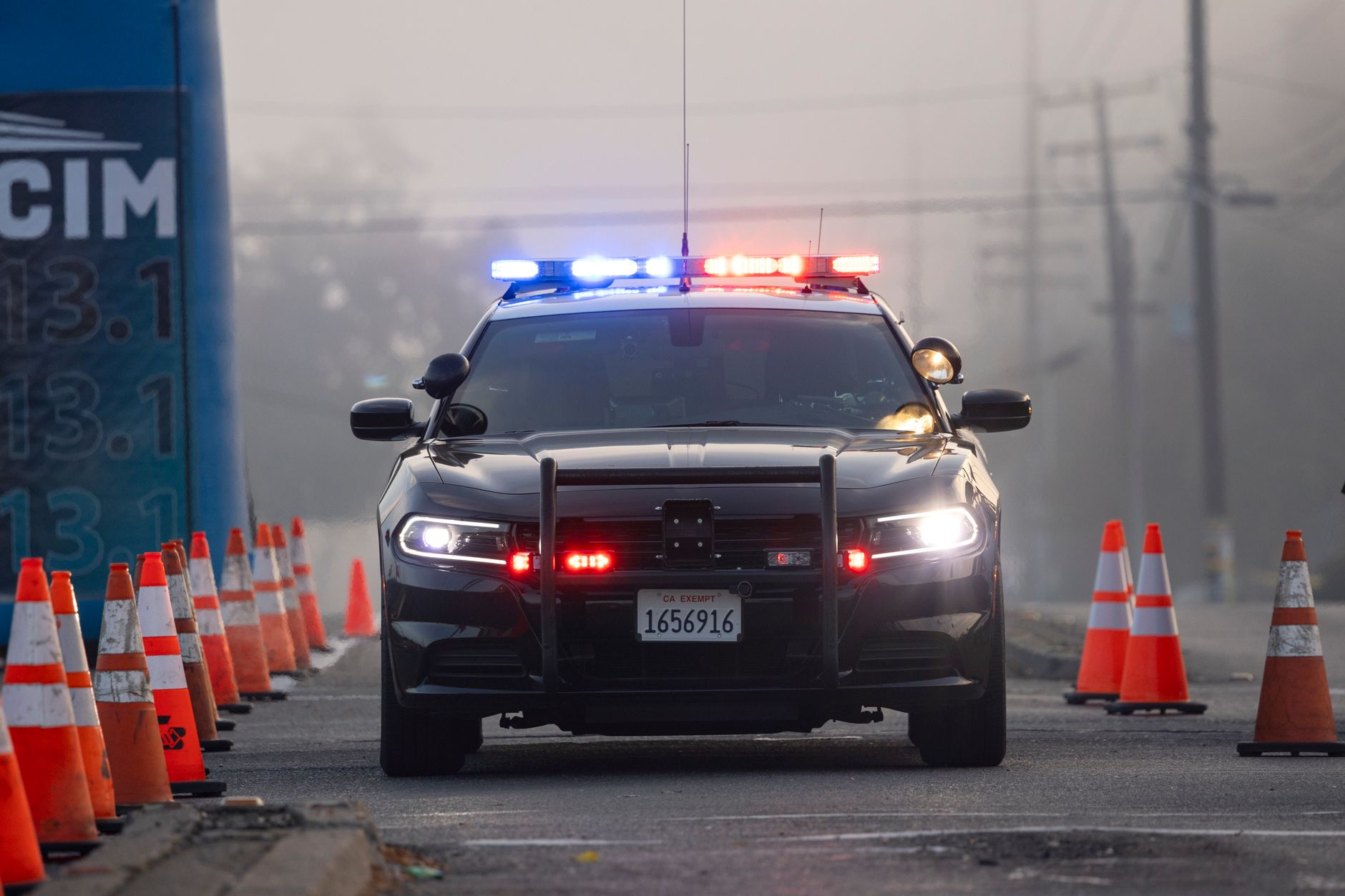
Gunmen Kill Three Traffic Police in Tank, Snatch Then Abandon Their Vehicle
Motorcycle-borne attackers opened fire on a traffic police van in Tank's Wazirabad Bazaar on September 28, killing three officers and wounding two bystanders before fleeing with the vehicle, which police recovered nearby. No group has claimed the attack, but investigators suspect the Tehrik-e-Taliban Pakistan.
BBP Security Desk · September 28, 2026 · 3 min