PTI's Week-Long Postponement Doubles Islamabad's Security Bill to Over Rs1 Billion
Islamabad police had budgeted Rs820 million to seal the capital for PTI's September 27 march. With the march pushed to October 4, container rent and police deployment costs are set to double past Rs1 billion — money the capital has already committed regardless of whether the march happens.
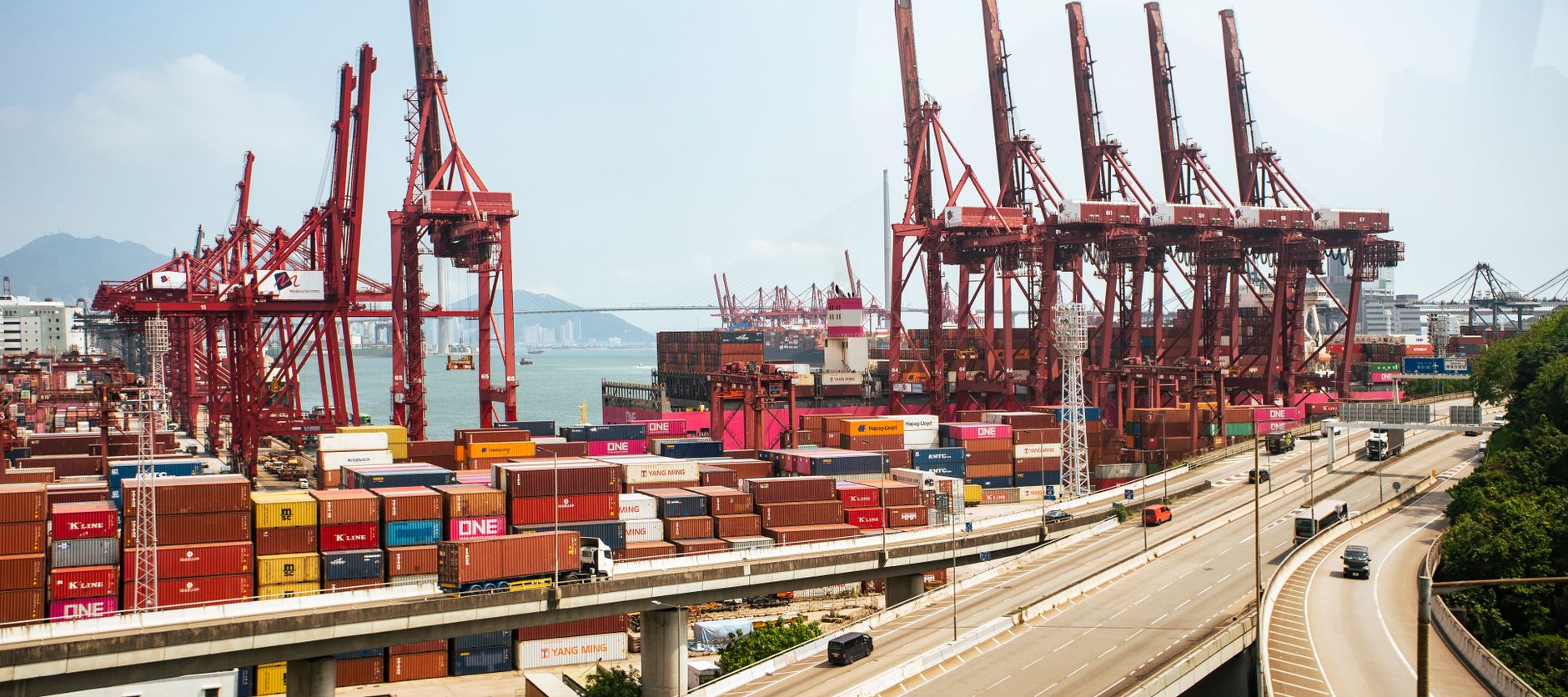
Photo by Jimmy Chan / Pexels
Islamabad's capital police had budgeted Rs820 million to keep the city sealed for one week around PTI's planned September 27 long march. Now that PTI has postponed the march to October 4, police sources say that budget will effectively double, pushing the total security bill for the lockdown past Rs1 billion — a cost the exchequer is absorbing regardless of whether the march itself goes ahead as rescheduled.
Where the money is going
The single largest line item is container rent. Islamabad police are holding 1,550 shipping containers, sourced from private transporters organised under the All Pakistan Goods Alliance, to seal roads into the capital. The transporters' association initially demanded Rs40,000 a day for 40-foot containers and Rs20,000 for 20-foot containers, before settling on a flat negotiated rate of Rs30,000 per container per day regardless of size. At that rate, the daily rent for all 1,550 containers comes to Rs46.5 million — Rs325.5 million for a week, and Rs651 million if they stay in place for two weeks. The remainder of the Rs820 million weekly request covers accommodation, meals and related costs for police personnel deployed to Islamabad from Punjab and Sindh for the operation.
Why the postponement changes the arithmetic
Capital police built their original budget around a single week: the containers and additional personnel were expected to be in place from roughly September 27, when the march was due to arrive, through October 4, when police anticipated the protest would disperse. PTI's decision to push the march's start date to October 4 instead — a shift we've covered in detail — doesn't shorten that window. It extends it, since the containers, personnel and Rangers deployments assembled for the original date cannot simply be stood down without abandoning the security posture altogether. Police sources say that turns a one-week cost into a two-week one, which is what pushes the total past the Rs1 billion mark.
The containers were already a separate cost to someone else
Islamabad's lockdown has an economic cost beyond what the police themselves are paying. Roughly 1,000 of the containers seized for the blockade belonged to transporters who were mid-shipment when police impounded their vehicles, stranding cargo that reportedly includes medicines, food items and chemicals across checkpoints in Islamabad, Rawalpindi, Lahore and several other cities. That cargo, and the drivers detained alongside it, has now been sitting for close to two weeks with no confirmed timeline for release — a cost that falls on private businesses and supply chains rather than the government budget, and one that doubles in duration right alongside the police's own bill.
The legal lockdown isn't moving with the new date, either
The cost overrun compounds rather than replaces the other consequences of the postponement. Punjab's province-wide Section 144 order and Rangers deployment were both written to run through October 5, a window that already covered the original march date and now covers the new one too, with no indication yet that authorities plan to extend, shorten or otherwise adjust it. In other words, nearly every cost associated with the September 27 lockdown — containers, Rangers, police overtime, restricted movement — simply continues for an additional week rather than resetting.
What's still unresolved
Police sources say officials have not yet decided whether to release any of the impounded containers and vehicles in the interim or hold everything in place until October 4. Capital police also have not said whether the Rs1 billion-plus figure is final or whether costs could climb further if the October 4 march is itself delayed, as the September 27 one was. What is clear is that the fiscal cost of managing a political protest in Pakistan's capital is now being measured in the same currency as the protest's political stakes — and neither side has an obvious incentive to bring the bill down before the march either happens or is called off entirely.
Build Better Pakistan's Economy Desk tracks the fiscal cost of Pakistan's political and security decisions and will update this piece as the October 4 march date approaches.
This article is part of our Economy coverage — Inflation, growth, trade and the everyday cost of living across Pakistan.
Frequently Asked Questions
- How much is Islamabad's PTI-march security lockdown costing, and why did the cost double?
- Capital police originally requested Rs820 million to cover one week of container rent, police accommodation and meals for the security operation planned around PTI's September 27 march. When PTI's political committee postponed the march to October 4, that one-week budget effectively became a two-week bill, pushing the total cost past Rs1 billion.
- What is the container rent breakdown, and who is being paid?
- Islamabad is holding 1,550 shipping containers rented from private transporters organised under the All Pakistan Goods Alliance, at a negotiated rate of Rs30,000 per container per day regardless of size. That works out to Rs46.5 million a day, Rs325.5 million for one week, and Rs651 million if the containers stay in place for two weeks — separate from police accommodation, meals and overtime costs, which make up the rest of the Rs820 million weekly request.
Related Reading

Aurangzeb Opens Islamabad Round of IMF Talks, With $1.2 Billion Riding on It
Finance Minister Muhammad Aurangzeb held a virtual kick-off meeting with IMF mission chief Iva Petrova on September 30 to formally open the policy-level round of Pakistan's fourth EFF and third RSF reviews, with roughly $1.2 billion in combined financing on the table if the talks succeed.
BBP Economy Desk · September 30, 2026 · 4 min

Shehbaz Becomes First Pakistani PM to Open London Stock Exchange Trading
Shehbaz Sharif opened a trading session at the London Stock Exchange on September 29 and met executives from JPMorgan, Barclays, Citi, BlackRock and Rothschild & Co, pitching Pakistan as a destination for foreign capital weeks after its $3 billion Eurobond drew almost $6 billion in orders.
BBP Economy Desk · September 29, 2026 · 4 min

10,000 Civil Servants Must Declare Assets by October 30 Under New IMF Benchmark
As the IMF mission opened fourth EFF and third RSF review talks on September 29, Islamabad confirmed that roughly 10,000 federal civil servants must digitally file asset declarations by October 30, with selected details made public by December 31 — but not the full picture.
BBP Economy Desk · September 29, 2026 · 4 min