JI Sets Up 25 Protest Camps in Karachi Over Petroleum Levy and K-Electric Outages, Defying the City's Assembly Ban
Jamaat-e-Islami is setting up more than 25 protest camps across Karachi from September 26 against the petroleum levy and K-Electric load-shedding of up to 18 hours a day — right inside the window of Karachi's own Section 144 gathering ban.
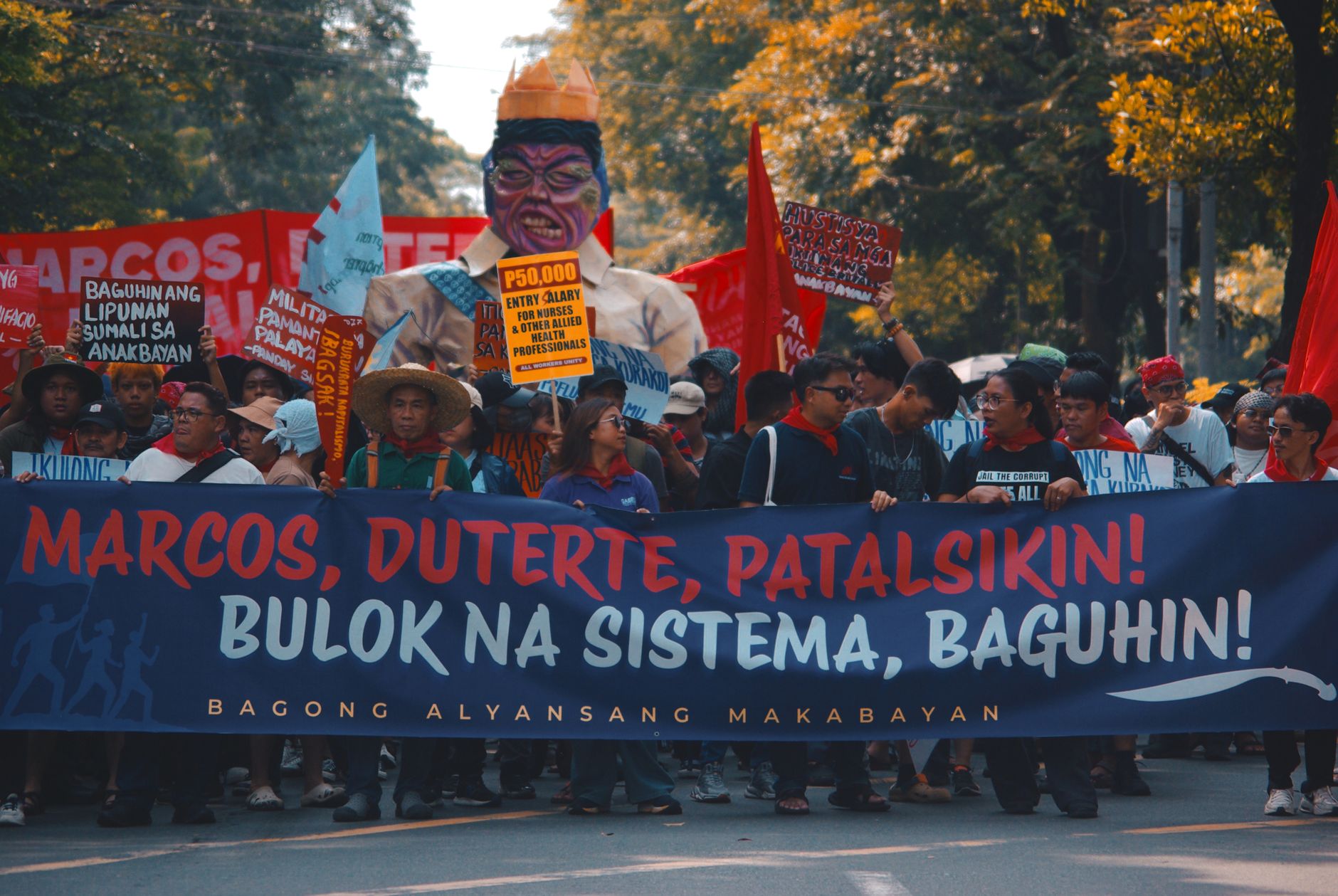
Photo by Mico Medel / Pexels
Jamaat-e-Islami's Karachi chapter is setting up more than 25 protest camps across the city from September 26, 2026, escalating a monthslong campaign against the federal petroleum levy and against K-Electric outages the party says stretch up to 18 hours a day in some neighbourhoods — timing that puts the camps inside the exact window of a citywide ban on gatherings of more than five people.
What JI is protesting
JI Karachi chief Munim Zafar announced the camps, framing them around two grievances: the petroleum levy, which he said has piled onto an already burdened public, and what he called K-Electric's failure to fix prolonged load-shedding in parts of the city. The levy itself has climbed through 2026 — the petroleum levy on petrol reached the budgeted ceiling of Rs 80 per litre by mid-July, with diesel close behind at Rs 70.82 per litre, and the federal government is targeting Rs 1.676 trillion in petroleum levy revenue for FY27. We've covered the mechanics of how that levy factors into the daily fuel price.
From long march to local camps
The Karachi camps are the latest phase of a campaign JI has run since August 16, with regular sit-ins in Lahore, Peshawar, Karachi and other cities. On September 20, party chief Hafiz Naeemur Rehman led a long march from Karachi's Cantonment Station toward Islamabad, warning that if the government didn't scrap the levy, the protest could turn into a movement to oust it. A government delegation — PML-N's Rana Sanaullah, Ahsan Iqbal and Salman Rafique — met JI leaders at the party's Mansoorah headquarters in Lahore, but the talks produced no breakthrough on the levy itself. Two days later, with Prime Minister Shehbaz Sharif in New York for the UN General Assembly, he called Rehman directly and asked him to postpone the march, citing the government's existing fuel-subsidy relief measures. JI agreed to pause the march toward Islamabad — but said its city-level protest camps, including Karachi's, would continue.
Walking into an active gathering ban
The camps' September 26 start falls squarely inside a Section 144 order Karachi Commissioner Hassan Naqvi signed on September 24, banning gatherings of more than five people across the city through September 30. That order was issued primarily to restrict PTI's planned September 27 march on Islamabad, one of four jurisdictions to impose overlapping assembly bans that week. JI's camps were not the order's original target, but they now fall under the same restriction — a fact the party has not treated as a reason to stand down, and one that leaves open whether authorities will move to enforce the ban against a protest campaign distinct from the one the order was written for.
Why this is different from the fuel-price story readers already know
Pakistan's petrol and diesel prices now move daily under a formula-driven mechanism, and most public criticism of fuel costs has focused on that price itself. JI's campaign targets a different, more durable piece of the bill: the levy is a fixed government charge layered on top of the market-driven price, doesn't move with global oil prices the way the base price does, and is one of the few fuel-cost components the federal government could remove by policy choice rather than by international markets moving in Pakistan's favour. That's the distinction driving JI's demand — and the reason the party has kept the pressure on through camps and marches even after agreeing to pause its highest-profile action.
What to watch next
Whether Karachi's administration enforces the Section 144 order against JI's camps — and whether the party's paused Islamabad march resumes — will determine how far this campaign escalates. Neither the federal government nor K-Electric has announced a concrete response to either of JI's central demands as of this writing.
Build Better Pakistan's Economy Desk is tracking the petroleum levy protests and will update this piece as the Karachi camps proceed and as the government responds.
This article is part of our Economy coverage — Inflation, growth, trade and the everyday cost of living across Pakistan.
Frequently Asked Questions
- What is Jamaat-e-Islami protesting in Karachi, and since when?
- JI's Karachi chief, Munim Zafar, announced more than 25 protest camps across the city starting September 26, 2026, over the petroleum levy and K-Electric load-shedding the party says reaches up to 18 hours a day in some areas. The camps are part of a wider campaign JI has run in Lahore, Peshawar, Karachi and other cities since August 16, which also included a long march toward Islamabad that began September 20 before being paused at the prime minister's request.
- How does this fit with Karachi's Section 144 order banning large gatherings?
- Karachi Commissioner Hassan Naqvi's Section 144 order, signed September 24, bans gatherings of more than five people across the city through September 30 — a restriction imposed primarily ahead of PTI's planned September 27 march. JI's protest camps fall inside that same window, though the party has said its camps will proceed regardless.
Related Reading

Aurangzeb Opens Islamabad Round of IMF Talks, With $1.2 Billion Riding on It
Finance Minister Muhammad Aurangzeb held a virtual kick-off meeting with IMF mission chief Iva Petrova on September 30 to formally open the policy-level round of Pakistan's fourth EFF and third RSF reviews, with roughly $1.2 billion in combined financing on the table if the talks succeed.
BBP Economy Desk · September 30, 2026 · 4 min

Shehbaz Becomes First Pakistani PM to Open London Stock Exchange Trading
Shehbaz Sharif opened a trading session at the London Stock Exchange on September 29 and met executives from JPMorgan, Barclays, Citi, BlackRock and Rothschild & Co, pitching Pakistan as a destination for foreign capital weeks after its $3 billion Eurobond drew almost $6 billion in orders.
BBP Economy Desk · September 29, 2026 · 4 min

10,000 Civil Servants Must Declare Assets by October 30 Under New IMF Benchmark
As the IMF mission opened fourth EFF and third RSF review talks on September 29, Islamabad confirmed that roughly 10,000 federal civil servants must digitally file asset declarations by October 30, with selected details made public by December 31 — but not the full picture.
BBP Economy Desk · September 29, 2026 · 4 min