Devolution on Paper: Why Local Government Still Struggles in Pakistan
The 18th Amendment promised to push power closer to citizens. More than a decade later, local governments in much of the country remain underfunded, understaffed and inconsistently empowered.

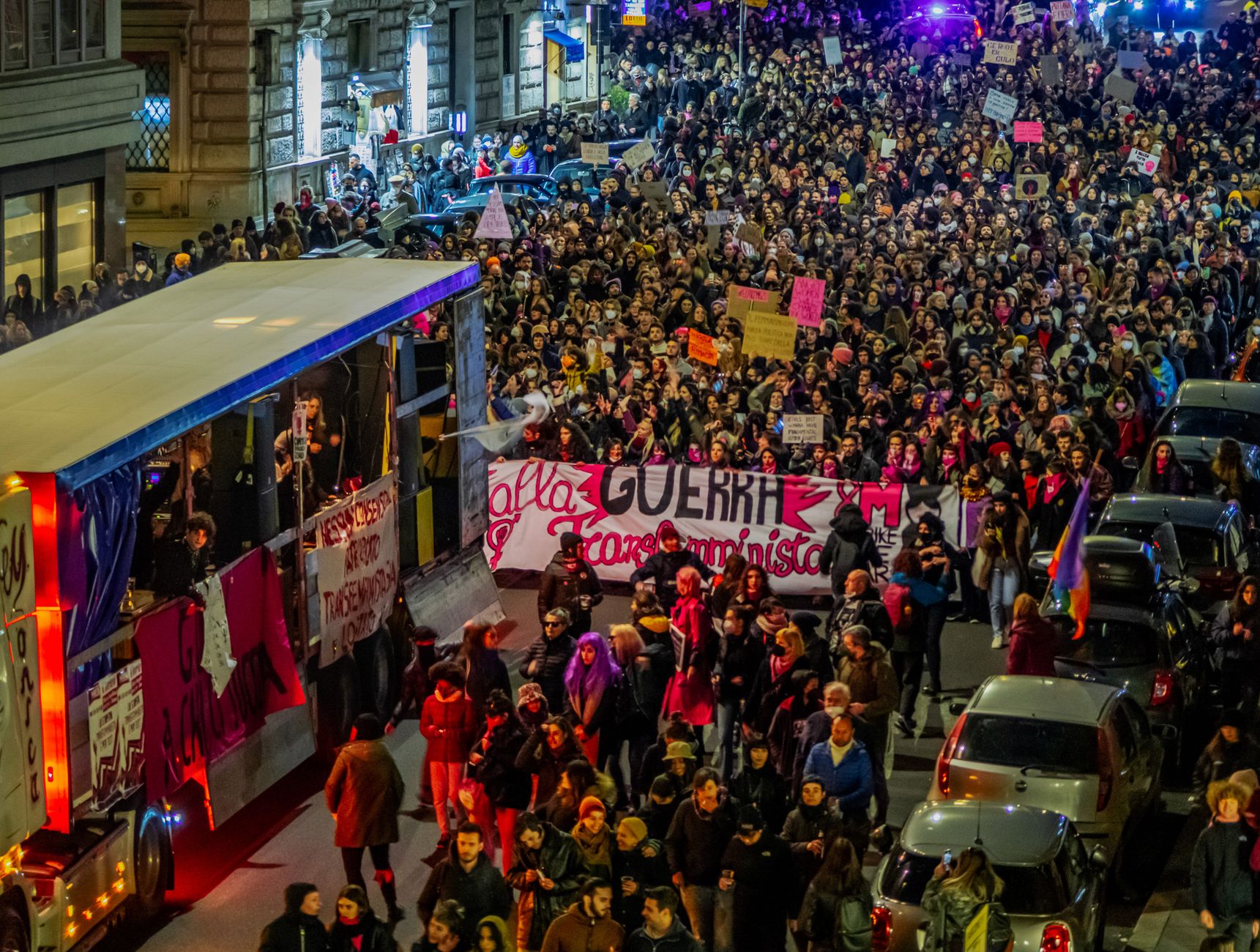
Photo by Michael D Beckwith / Pexels
On paper, Pakistan has one of the more ambitious constitutional commitments to local governance in the region. In practice, local governments — the tier closest to citizens' daily lives, responsible for everything from waste management to local roads and primary healthcare facilities — remain chronically underfunded and inconsistently empowered across provinces.
What devolution was supposed to deliver
The 18th Constitutional Amendment, along with subsequent provincial local government acts, was intended to push governance and fiscal authority down from the federal and provincial levels to elected local bodies — union councils, tehsil and district governments — closer to the communities they serve. The underlying logic is well established in public administration: local officials are typically better positioned to understand and respond to hyper-local needs than distant provincial bureaucracies.
Where implementation has fallen short
More than a decade on, local government empowerment varies significantly by province and has repeatedly been undermined by a few recurring patterns:
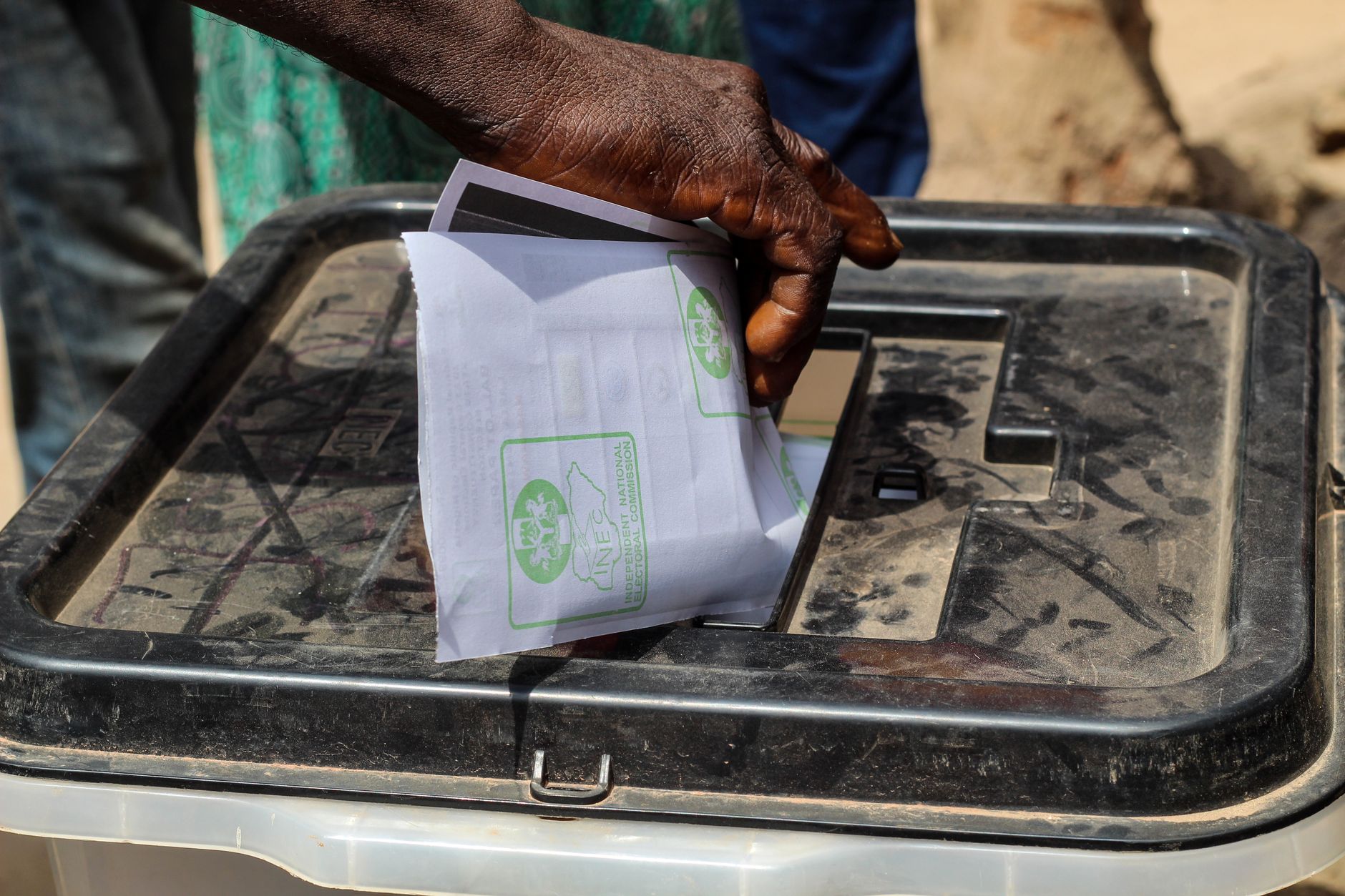
- Delayed or irregular local elections. Local government elections have, at various points across different provinces, been delayed well past their constitutionally mandated schedule, leaving local bodies without an elected mandate for extended periods. Punjab is a clear current example: after more than a decade without local polls, the Election Commission of Pakistan has agreed in principle to hold them between December 15, 2026 and January 15, 2027 — while Sindh's Pakistan Peoples Party government has separately indicated its next round of local elections there won't happen until 2027, meaning Pakistan's two most populous provinces will have gone roughly a decade or more between local government mandates by the time votes are actually cast.
- Limited fiscal autonomy. Local governments in most provinces rely heavily on provincial transfers rather than independent revenue-raising authority, giving provincial governments significant leverage over local priorities and, in practice, limiting genuine local decision-making.
- Overlapping mandates. In several sectors, it remains unclear whether provincial line departments or local governments hold ultimate authority, creating friction and diffusing accountability.
- Political incentives misaligned with devolution. Provincial governments, regardless of party, have often had limited incentive to devolve real fiscal and administrative power to local bodies that may be controlled by rival parties.
Why this matters for everyday governance
The consequences of weak local government show up in tangible ways: inconsistent waste collection, poorly maintained local infrastructure, and primary healthcare and education facilities that lack the localized oversight needed to address specific community gaps. Citizens seeking basic municipal services often find themselves navigating provincial bureaucracies for issues that, in a more fully devolved system, would be resolved at the local level.
What stronger local governance would require
Governance researchers and civil society groups that track devolution generally point to a consistent set of reforms:
- Predictable, constitutionally protected local government election schedules, removing the ability of provincial governments to indefinitely delay elections.
- Formula-based fiscal transfers from provinces to local governments, reducing discretionary control and increasing budget predictability for local planning.
- Clearer division of responsibilities between provincial line departments and local governments, particularly in health, education and municipal services.
- Capacity building for local administrations, many of which lack the technical staff to fully exercise the authority they're nominally granted.
Devolution's promise was to make governance more responsive by moving it closer to citizens. Realizing that promise fully will require provincial governments to treat local empowerment as a genuine priority rather than a constitutional formality.
Build Better Pakistan's Governance Desk tracks local government reform and provincial devolution developments across the country.
This article is part of our Politics & Governance coverage — Institutions, local government and how power actually gets exercised.
Related Reading
PTI Plans Prolonged Swabi Stay for Oct 4 March as Its Own Leader Warns of Emergency Rule
PTI has settled on Peshawar-to-Swabi as its October 4 route, with plans to camp for several days around founder Imran Khan's October 5 birthday. But KP leader Shaukat Yousafzai is publicly urging a further postponement, warning the government could use an Afghanistan-linked pretext to impose emergency rule.
BBP Politics Desk · September 29, 2026 · 3 min
PML-N Keeps Bahawalpur Seat as Channar Wins NA-168 By-Election, PTI and JI Sit Out
Malik Munir Iqbal Channar won the NA-168 Bahawalpur-V by-election on September 27 with 79,306 votes, a 36,683-vote margin over independent runner-up Wali Dad Cheema, after PPP withdrew in his favour and PTI and Jamaat-i-Islami boycotted the contest.
BBP Politics Desk · September 28, 2026 · 4 min

KP CM Sohail Afridi Says He's Ready to Leave, as PTI's Own MPAs Move Against Him
PTI leader Sher Afzal Marwat says 35 KP MPAs are ready to back a no-confidence motion against Chief Minister Sohail Afridi, and that Imran Khan relayed a message through his lawyer that Afridi should step down. Afridi says he'd rather leave the CM House than compromise on ideology, while Governor Faisal Karim Kundi says no resignation has reached him through official channels.
BBP Politics Desk · September 28, 2026 · 4 min