Parliament Approves Khyber Pakhtunkhwa Emergency and Governor's Rule
A joint sitting of Parliament endorsed the emergency and governor's rule imposed in Khyber Pakhtunkhwa, adopting a procedural motion 214 to 56 before passing resolutions that satisfy the constitution's ten-day approval window, as PTI, JUI-F and TTAP lawmakers protested the move on the floor.
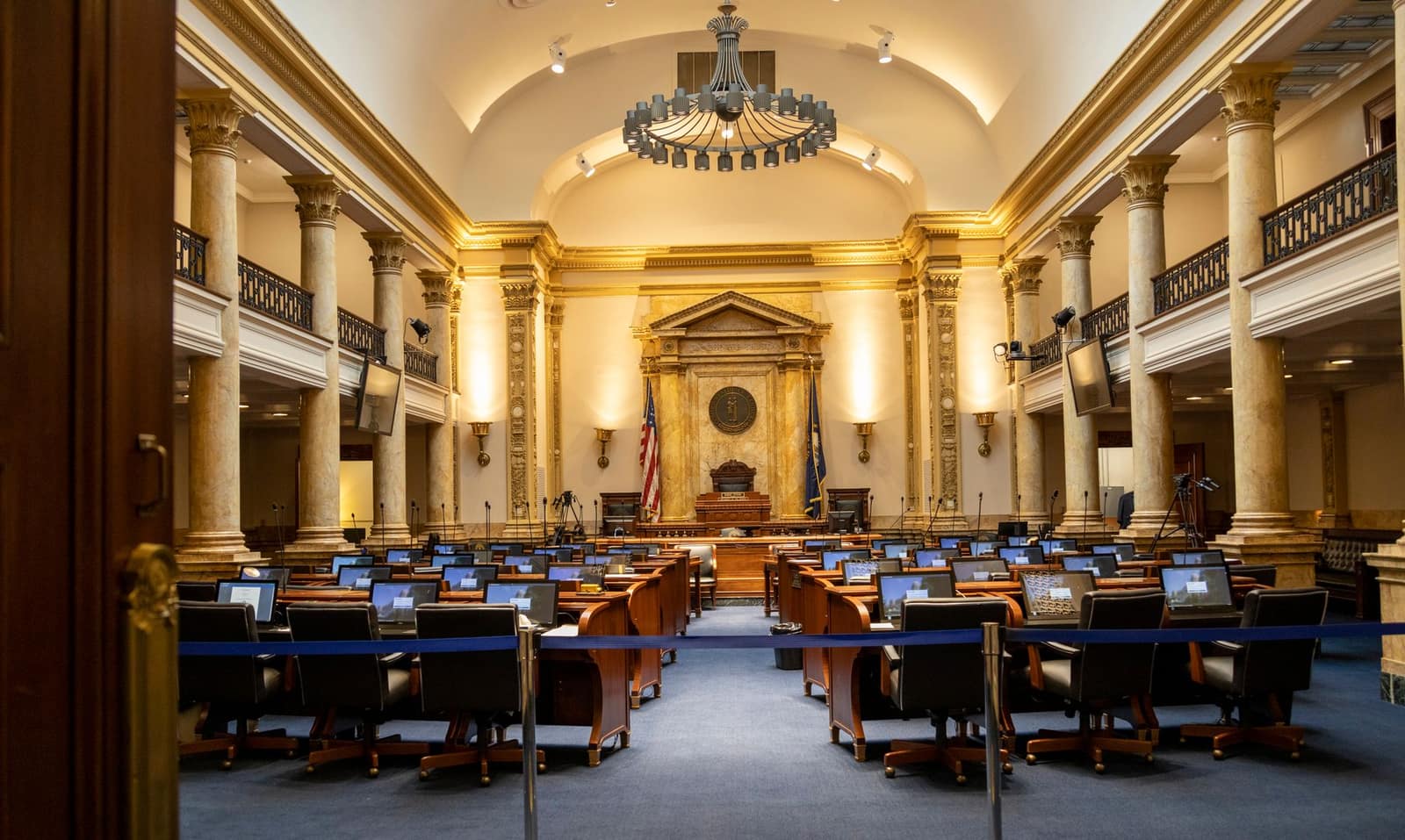
Photo by raksasok heng / Pexels
A joint sitting of Parliament endorsed the emergency and governor's rule imposed in Khyber Pakhtunkhwa on Thursday, October 15, clearing the constitutional hurdle that stood between the measure and automatic lapse. Members adopted a procedural motion under Rule 232 of the Parliament (Joint Sitting) Rules, 1973, suspending certain sub-rules, by 214 votes to 56, standing to be counted, before the sitting passed resolutions endorsing both proclamations, according to Dawn.
What the constitution required
President Asif Ali Zardari approved the emergency and governor's rule on October 11 under Articles 232(1) and 234(1), citing what the proclamation called the provincial government's "deliberate disengagement" from the fight against terrorism and removing Chief Minister Sohail Afridi and his cabinet from office. Because the move was made without a resolution from the Khyber Pakhtunkhwa Assembly itself, Article 232 requires it to be approved separately by the National Assembly and the Senate within ten days, or it lapses on its own. A day earlier, the National Assembly and the Senate had each passed resolutions endorsing the emergency, Dawn reported, and Thursday's joint sitting completed the process with the Rule 232 vote and the resolutions that followed it.
How the vote broke down
The government side, including the PML-N and the PPP's members, backed the resolutions; PTI, JUI-F and the opposition alliance TTAP opposed them. Opposition members chanted "emergency unacceptable" and carried placards reading "emergency na manzoor" during the session, which Prime Minister Shehbaz Sharif attended for part of the proceedings. Dawn's report did not give a separate tally for the two final resolutions beyond noting they "were then passed."
A sharp exchange on the floor
PTI's interim chairman, Barrister Gohar Ali Khan, rejected the proclamation outright, telling the government it needed to "apologise to the entire population of KP," while saying his party remained open to dialogue if its demands were met. Mehmood Khan Achakzai, the National Assembly's opposition leader and TTAP chief, compared the situation to the 1971 separation of East Pakistan and asked where Afridi was being held. JUI-F's Senator Kamran Murtaza argued that no documentary evidence had been presented to Parliament and noted that KP Governor Faisal Karim Kundi had not submitted the report Article 234 requires; he said free and transparent elections, not emergency rule, were the solution.
The PPP's Sherry Rehman, whose party sits in the ruling coalition, took a more pointed tone toward both sides. "We kept waiting for you," she said of the collapsed October 3 talks between the government and PTI, while warning against any emergency that violates the constitution and invoking what she called "the lessons from the fall of Dhaka."
The government's case
Interior Minister Mohsin Naqvi told the house the decision was not one the government wanted to make. "By God, our hearts did not want to do this," he said, adding that the centre had "no option left" after offering KP an emergency confined to 12 districts, an offer he said was not taken up. Deputy Prime Minister and Foreign Minister Ishaq Dar called it a "difficult decision" that was "categorically" constitutional and said Sharif had described it as "it's now or never." Law Minister Azam Nazeer Tarar, who opened the debate, said approval required a simple majority of those present, and Speaker Ayaz Sadiq, who put the motions to the vote, asked the opposition benches what the "hurry" had been in launching PTI's long march.
Three unresolved tracks
Parliament's vote does not end the dispute over the emergency. A petition filed at the Peshawar High Court on October 12 is still pending, naming Zardari, Sharif and Kundi as respondents, and the Lahore High Court Bar Association has said it will take a separate case to the Supreme Court. Afridi has maintained that only a vote of no-confidence in the provincial assembly can lawfully remove a sitting chief minister, and his brother has separately asked the Peshawar High Court to help locate him after Kundi's advisory council took over KP's administration. None of those tracks has produced a ruling.
What happens next
Under Article 234, the governor's rule proclamation now stands approved for an initial period; it lapses after two months unless a further joint sitting extends it, and it cannot run beyond six months in total without fresh parliamentary action. Thursday's vote resolves the ten-day question that has hung over KP's administration since October 11, but the province's governance — and the court challenges to how it got there — remain unsettled.
Build Better Pakistan's Politics Desk is tracking the court challenges to the KP emergency and will update this coverage when the Peshawar High Court or Supreme Court rule.
This article is part of our Politics & Governance coverage — Institutions, local government and how power actually gets exercised.
Frequently Asked Questions
- Why did the emergency need Parliament's approval at all?
- President Asif Ali Zardari imposed the emergency and governor's rule in Khyber Pakhtunkhwa on October 11 without a resolution from the provincial assembly. Under Article 232 of the constitution, a proclamation made that way must be approved by both the National Assembly and the Senate within ten days, or it lapses automatically.
- How long can governor's rule stay in place in KP?
- Under Article 234, a governor's rule proclamation lapses after two months unless a joint sitting of Parliament approves an extension, and it cannot run longer than six months in total without fresh action by Parliament.
Trending Now
- 01
SECP Sets Up a Unit to Hunt Ponzi Schemes Before Investors Complain
October 15, 2026
- 02
Pakistan's Hunger Score Worsens to 25.5 in 2026 Global Hunger Index
October 15, 2026
- 03
Petrol Climbs to Rs393.86 a Litre as Diesel Edges Down 17 Paisa
October 15, 2026
- 04
Peshawar School Roof Collapse Kills 28, Mostly Children
October 15, 2026
- 05
Afridi's Brother Petitions Peshawar High Court to Locate Him
October 14, 2026
Weekly Briefing
The week's most important stories on Pakistan's biggest challenges, in your inbox.
Related Reading

Afridi's Brother Petitions Peshawar High Court to Locate Him
Two days after governor's rule removed him from office, Sohail Afridi's brother filed a petition in the Peshawar High Court asking it to trace him, examine the legality of any detention and order police to preserve CCTV footage from the scene.
BBP Politics Desk · October 14, 2026 · 4 min

Pakistan Stops Issuing Machine-Readable Passports From October 15
The Directorate General of Immigration and Passports has told passport offices and Pakistani missions abroad to stop issuing machine-readable passports from October 15, 2026. Anyone applying for a new passport from that date gets an e-passport instead, though existing MRPs stay valid until they expire.
BBP Politics Desk · October 14, 2026 · 2 min
Parliament Takes Up KP Emergency as PPP Backs It and JUI-F Calls It Unconstitutional
President Asif Ali Zardari summoned separate National Assembly and Senate sessions for the evening of October 13 to seek the parliamentary endorsement Pakistan's constitution requires for emergency and governor's rule in Khyber Pakhtunkhwa, as the PPP agreed to back the government and JUI-F tabled resolutions calling the move unconstitutional.
BBP Politics Desk · October 13, 2026 · 4 min