Government Says It Won't Fund PIA's Boeing Purchases, as US EXIM Talks Widen to Reko Diq
After Finance Minister Muhammad Aurangzeb raised US EXIM Bank financing for privatised PIA's Boeing 787 ambitions, his adviser moved to clarify on September 27 that no sovereign guarantee or taxpayer-funded loan is involved — while confirming the same US talks also cover Reko Diq and refinery upgrades.
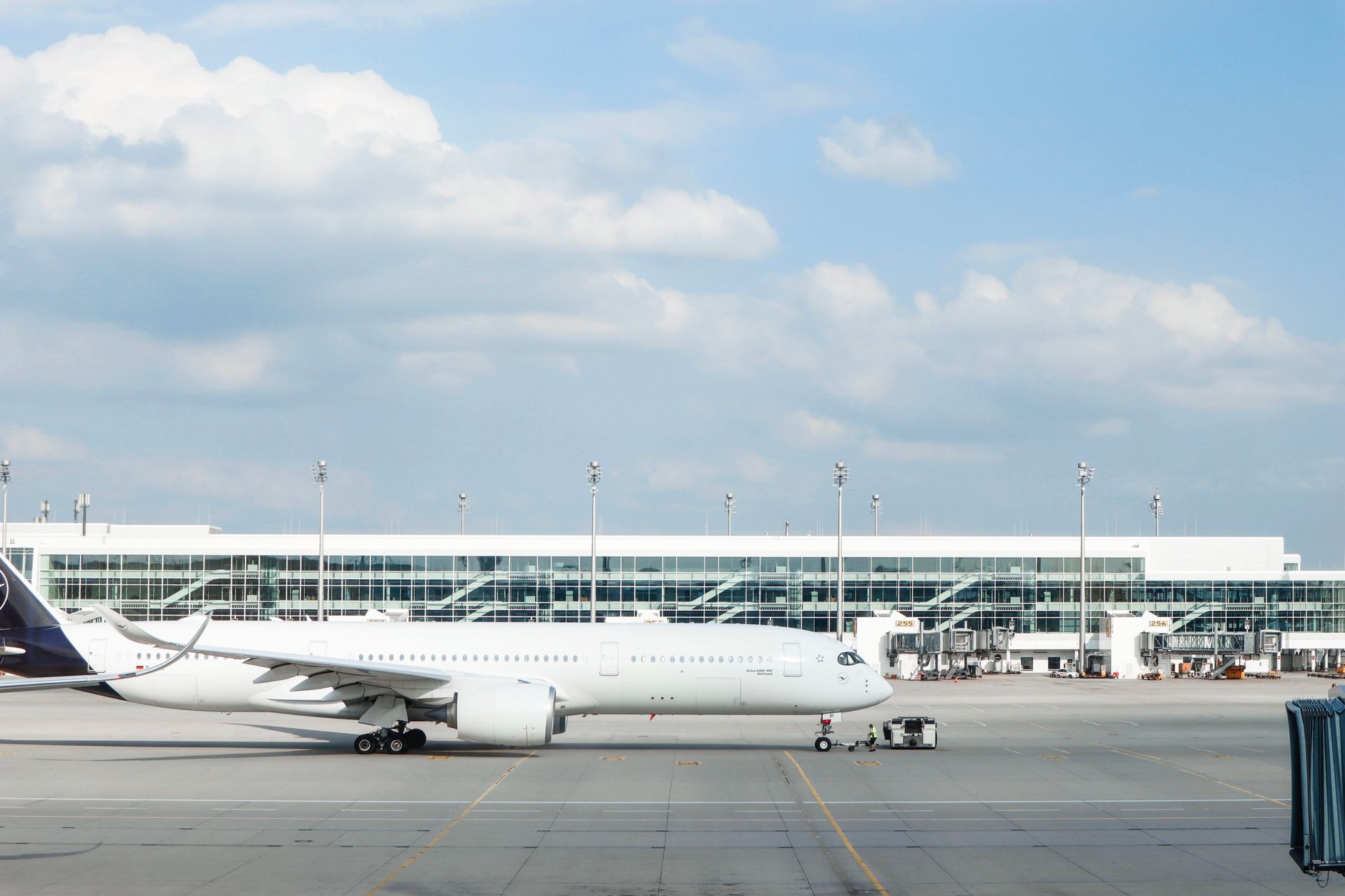
Photo by Ana Benet / Pexels
Pakistan's government moved on September 27, 2026, to clarify that it is not financing new aircraft for a privatised Pakistan International Airlines, a day after reports of Finance Minister Muhammad Aurangzeb's meeting with the US Export-Import Bank in New York suggested Islamabad was pursuing American support for a Boeing fleet expansion.
What Aurangzeb actually discussed
Aurangzeb met EXIM Bank chairman John Jovanovich to explore financing options for PIA's aircraft needs, which include an interest in Boeing 787 Dreamliners and spare parts to return grounded Boeing 777s to service. He also raised potential US EXIM support for upgrades at Pakistani oil refineries and for the Reko Diq copper-gold project in Balochistan, where Barrick Mining Corporation is developing one of the world's largest untapped copper deposits alongside the Pakistani government and Balochistan's provincial government.
None of this amounted to a signed deal. Adviser to the finance minister Khurram Schehzad said the discussions were exploratory, aimed at examining what financing structures might be available rather than committing to a specific purchase or timeline.
The clarification, and why it was needed
The framing of the New York meeting drew swift criticism, with commentators asking why a privatised, majority privately-owned airline would need government-brokered financing at all. Schehzad's statement on X pushed back directly: "The government is neither buying aircraft for a privatised PIA nor has it announced any sovereign guarantee or taxpayer-funded loan for doing so." He said the government's role was limited to helping PIA and other Pakistani entities access international financing and suppliers, rather than assuming their commercial risk on the state's own balance sheet.
He added that under any eventual US EXIM arrangement, the bank would structure financing secured against the aircraft themselves and would assess the creditworthiness of the airline or the leasing entity involved — the standard model EXIM uses for foreign buyers of US-made Boeing jets, and one that does not require a government guarantee to function.
Where PIA stands since privatisation
The government sold 75 percent of PIA's shares to a consortium led by Arif Habib Corporation in a transaction completed at the start of 2026, handing the winning bidder management control of the airline. The state does not hold a "golden share" and has said it does not intend to exercise operational control going forward, with the sale of the remaining 25 percent expected to conclude later this year. That ownership structure is precisely what makes the aircraft-financing question sensitive: any hint that public money might underwrite a privately-run airline's fleet would cut against the rationale for privatising it in the first place, which is also the same logic that shaped the government's fourth IMF review, where reducing the state's exposure to loss-making commercial entities has been a recurring condition.
The bigger picture: reserves under management
The EXIM conversation is part of a broader push by Aurangzeb's ministry to line up external financing across several capital-intensive sectors at once — aviation, refining and mining — at a moment when Pakistan's own foreign exchange position, while improved, remains something officials are managing carefully rather than something they can spend freely against. Reko Diq alone carries a pledged $10 billion in investment before it reaches full production, a scale of capital that Pakistan's own reserves were never going to fund domestically, which is why Islamabad has spent much of 2026 courting financing partners in Washington, Riyadh and Beijing rather than trying to carry these projects on its own books.
Build Better Pakistan's Economy Desk is tracking Pakistan's post-privatisation financing arrangements and will update this piece as any formal EXIM Bank agreement is announced.
This article is part of our Economy coverage — Inflation, growth, trade and the everyday cost of living across Pakistan.
Frequently Asked Questions
- Is the Pakistani government buying new aircraft for PIA?
- No. Adviser to the finance minister Khurram Schehzad said on September 27, 2026, that the government is neither purchasing aircraft for the privatised carrier nor has it announced any sovereign guarantee or taxpayer-funded loan to finance the purchase. He described the government's role as helping PIA access international financing and suppliers, not assuming its commercial risk.
- What role would the US Export-Import Bank play?
- Under the arrangement discussed, US EXIM could provide or support financing secured against the aircraft themselves, assessing the creditworthiness of the airline or its lessee rather than lending against a Pakistani government guarantee. The talks are exploratory — Schehzad said they do not amount to a finalised Boeing order.
Related Reading

Aurangzeb Opens Islamabad Round of IMF Talks, With $1.2 Billion Riding on It
Finance Minister Muhammad Aurangzeb held a virtual kick-off meeting with IMF mission chief Iva Petrova on September 30 to formally open the policy-level round of Pakistan's fourth EFF and third RSF reviews, with roughly $1.2 billion in combined financing on the table if the talks succeed.
BBP Economy Desk · September 30, 2026 · 4 min

Shehbaz Becomes First Pakistani PM to Open London Stock Exchange Trading
Shehbaz Sharif opened a trading session at the London Stock Exchange on September 29 and met executives from JPMorgan, Barclays, Citi, BlackRock and Rothschild & Co, pitching Pakistan as a destination for foreign capital weeks after its $3 billion Eurobond drew almost $6 billion in orders.
BBP Economy Desk · September 29, 2026 · 4 min

10,000 Civil Servants Must Declare Assets by October 30 Under New IMF Benchmark
As the IMF mission opened fourth EFF and third RSF review talks on September 29, Islamabad confirmed that roughly 10,000 federal civil servants must digitally file asset declarations by October 30, with selected details made public by December 31 — but not the full picture.
BBP Economy Desk · September 29, 2026 · 4 min