Pakistani Rupee Holds Steady Near Rs278 Against the Dollar
The rupee has traded in a narrow band of roughly Rs277.5 to Rs278.7 against the US dollar through September 2026 — a rare stretch of calm for a currency that's spent much of the past few years under acute pressure.
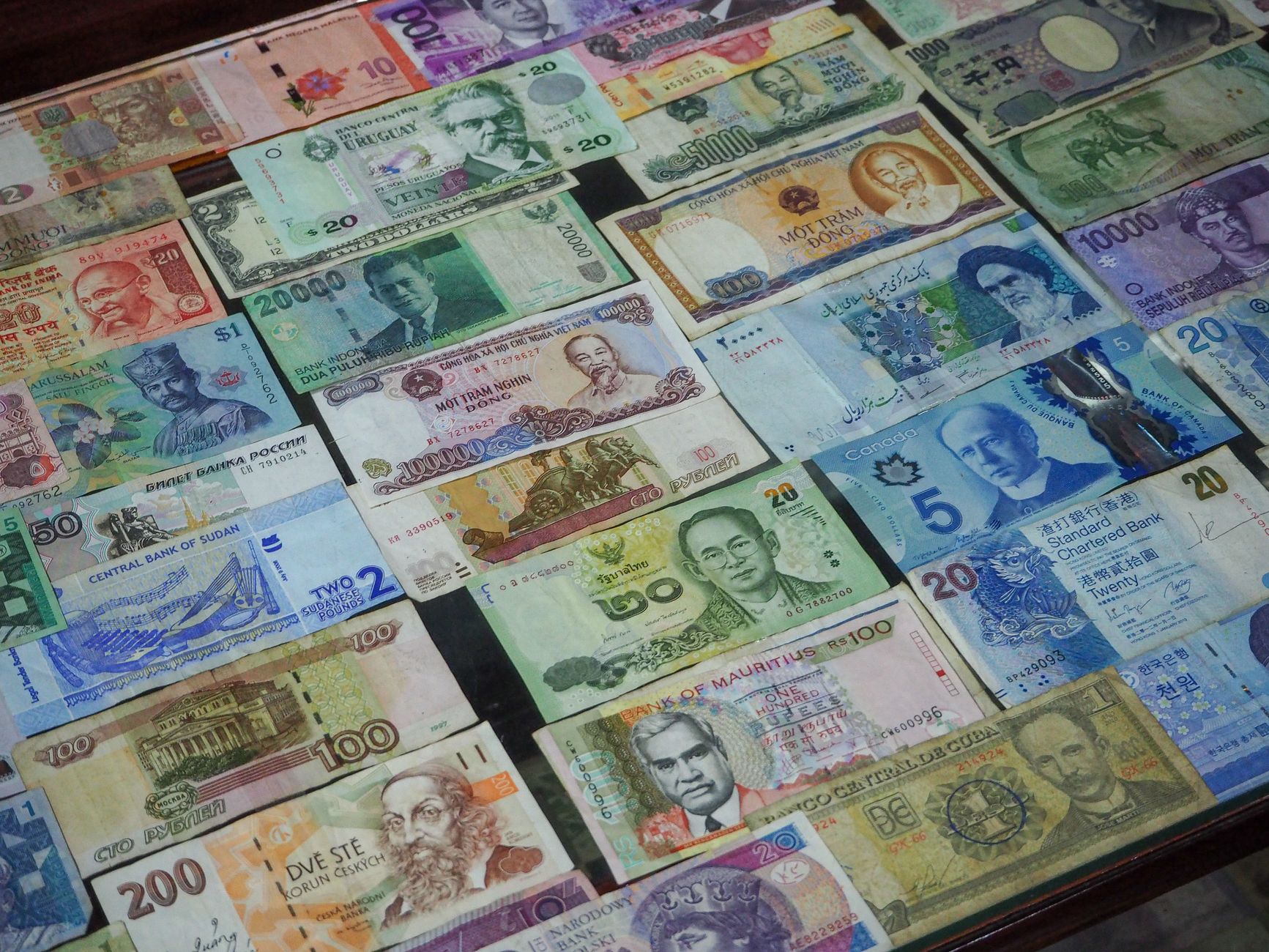
Photo by Ryutaro Tsukata / Pexels
The Pakistani rupee has held in a tight band against the US dollar through September 2026, trading between roughly Rs277.5 and Rs278.7 across the month's available data points — a notably calm stretch for a currency that has spent much of the past several years under significant pressure.
The month's numbers
Reported buying and selling rates through September show minimal movement: Rs277.5/Rs278.65 on September 3, Rs278/Rs278.7 on September 9, Rs277.8/Rs278.5 on September 15, and Rs277.9/Rs278.55 on September 17. Rates differ slightly between banks, exchange companies, and open-market dealers, and can shift during a single trading session — but the overall range across the month has been unusually narrow.
Why stability itself is the story
For a currency that has experienced sharp depreciation episodes in recent years, several weeks of tight-range trading is itself notable. Currency stability affects far more than the exchange counter: it reduces imported-inflation pressure, since Pakistan imports substantial volumes of fuel and other dollar-priced goods, and it gives both businesses and the State Bank of Pakistan more predictable footing for planning than a rapidly moving exchange rate allows.
What's likely supporting the calm
A few factors plausibly line up with this period of stability. The rupee's steadiness has coincided with a rising stock market — the KSE-100 extended its 2026 rally past 171,000 points this month — and with Pakistan entering its next round of IMF review talks, which began September 23. Progress on the IMF program in particular tends to support currency stability by signaling continued access to external financing and reducing the kind of balance-of-payments uncertainty that has driven past bouts of rupee volatility.
The bigger picture this sits inside
Rupee stability is one piece of a broader balance-of-payments picture that also includes remittance inflows and foreign reserves — dynamics we cover in more depth in our remittances, reserves, and the rupee explainer. A few weeks of calm doesn't guarantee the trend continues, particularly given how quickly external shocks (oil-price volatility from the ongoing US-Iran conflict among them) have moved the currency in the recent past.
Build Better Pakistan's Economy Desk tracks currency and exchange-rate movements as part of our ongoing economic coverage.
This article is part of our Economy coverage — Inflation, growth, trade and the everyday cost of living across Pakistan.
Frequently Asked Questions
- What has the rupee-dollar rate been in September 2026?
- The rate has stayed in a narrow range through the month — roughly Rs277.5-278.65 on September 3, Rs277.8-278.5 on September 15, and Rs277.9-278.55 on September 17, indicating relative stability rather than sharp movement in either direction.
- Why does rupee stability matter beyond the exchange counter?
- A stable rupee reduces imported-inflation pressure (since Pakistan imports significant volumes of fuel and other goods priced in dollars) and gives businesses and the central bank more predictability for planning — both of which have been in short supply during past periods of currency volatility.
Related Reading

Aurangzeb Opens Islamabad Round of IMF Talks, With $1.2 Billion Riding on It
Finance Minister Muhammad Aurangzeb held a virtual kick-off meeting with IMF mission chief Iva Petrova on September 30 to formally open the policy-level round of Pakistan's fourth EFF and third RSF reviews, with roughly $1.2 billion in combined financing on the table if the talks succeed.
BBP Economy Desk · September 30, 2026 · 4 min

Shehbaz Becomes First Pakistani PM to Open London Stock Exchange Trading
Shehbaz Sharif opened a trading session at the London Stock Exchange on September 29 and met executives from JPMorgan, Barclays, Citi, BlackRock and Rothschild & Co, pitching Pakistan as a destination for foreign capital weeks after its $3 billion Eurobond drew almost $6 billion in orders.
BBP Economy Desk · September 29, 2026 · 4 min

10,000 Civil Servants Must Declare Assets by October 30 Under New IMF Benchmark
As the IMF mission opened fourth EFF and third RSF review talks on September 29, Islamabad confirmed that roughly 10,000 federal civil servants must digitally file asset declarations by October 30, with selected details made public by December 31 — but not the full picture.
BBP Economy Desk · September 29, 2026 · 4 min