Federal Constitutional Court Upholds Ban on Ahmadi Community's Core Religious Text
Pakistan's Federal Constitutional Court dismissed all petitions against a 2014 Punjab government ban on the 23-volume Rohani Khazayeen, the Ahmadiyya community's foundational religious writings, prompting UN and international rights groups to renew concern over the community's treatment.

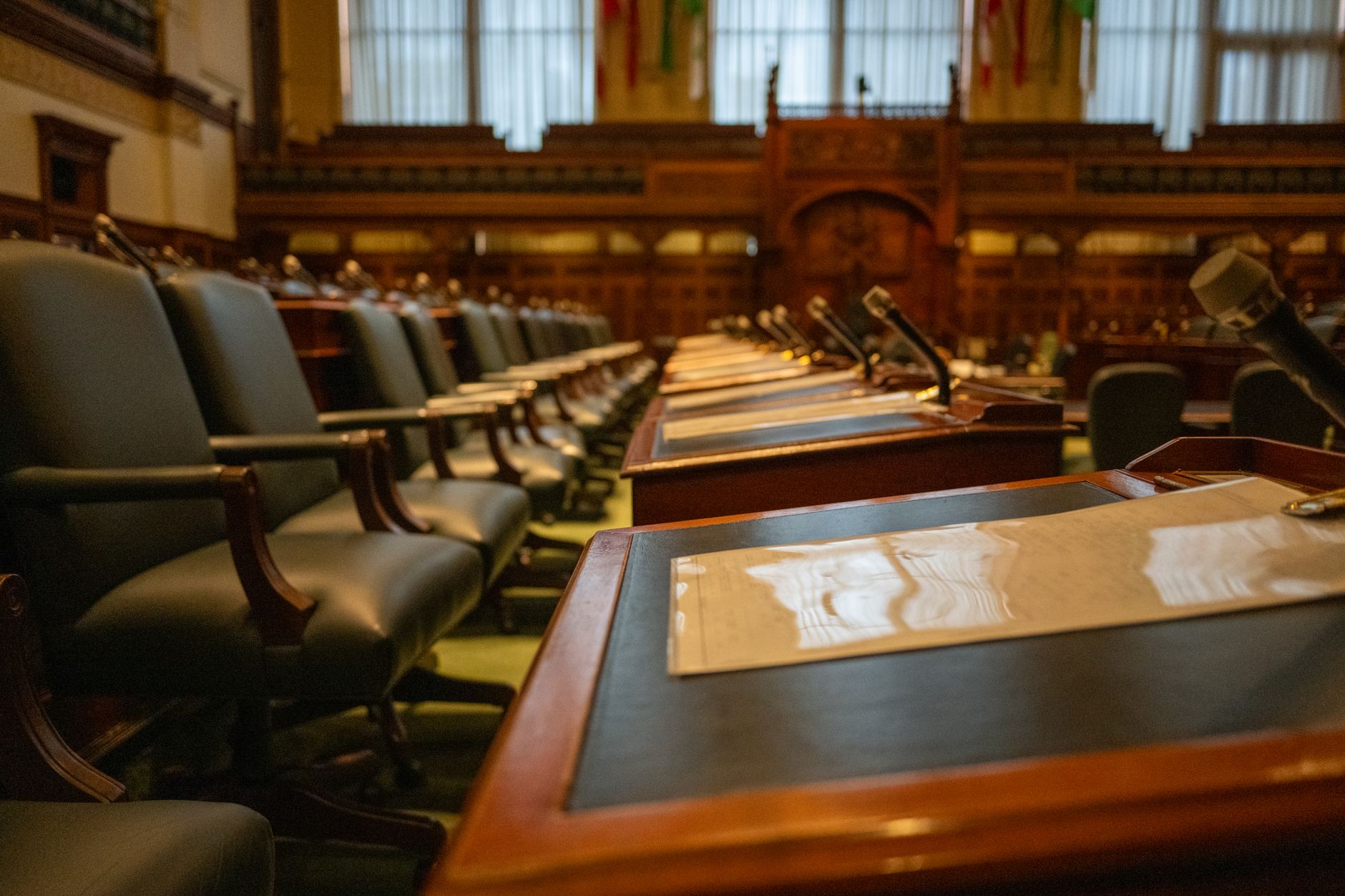
Photo by Negative Space / Pexels
Pakistan's Federal Constitutional Court has upheld a ban on the Ahmadiyya community's foundational religious text, dismissing every petition filed against it and prompting renewed criticism from United Nations experts and international rights groups over the community's legal treatment.
What the court decided
A bench headed by Justice Aamer Farooq, sitting with Justice Syed Arshad Hussain Shah, issued the ruling on September 8, 2026, dismissing a batch of petitions filed by Ahmadiyya community members against the continued forfeiture of Rohani Khazayeen — the 23-volume collected writings of Mirza Ghulam Ahmad, who founded the community in the late nineteenth century. The petitioners had argued the ban violated Article 20 of the Constitution, which protects the right to profess, practise and propagate one's religion. The court disagreed, holding that this constitutional guarantee "operates only within boundaries defined by law, public order, and morality," and that the petitioners had not placed adequate material before it to show the original forfeiture was unlawful. The bench also found that the religious-freedom argument had effectively been raised as an afterthought rather than argued through the proper legal channels from the outset.
Where the ban originated
The prohibition itself is not new. It traces back to a June 2014 notification from the Punjab Home Department, issued under Section 99-A of the Code of Criminal Procedure, which allows provincial governments to forfeit publications deemed likely to promote religious hatred. That notification followed a review by an Ulema board, which recommended the writings be forfeited on the grounds that they could generate hostility among Muslims. The September 8 ruling does not introduce a new restriction — it closes off more than a decade of legal challenges to the existing one, meaning the ban on printing, publishing or circulating the text remains fully in force with no further avenue of appeal through the petitions the court just dismissed.
The international reaction
The ruling has drawn criticism well beyond Pakistan's borders. On September 7, the day before the judgment, United Nations experts had already expressed grave concern over what they described as continued discrimination, violence and legal restrictions targeting Ahmadiyya Muslims in Pakistan. After the ruling, the UK-based International Human Rights Committee called it "deeply troubling," warning that it further tightens constraints on a religious community whose freedom to profess and express its faith is already severely curtailed under Pakistan's legal framework. Rights groups tracking the case have described it as part of a broader pattern rather than an isolated ruling, pointing to it as reinforcing decades of legal restrictions the Ahmadiyya community has faced since Pakistan's 1974 constitutional amendment declaring its members non-Muslim for legal purposes.
Why this ruling carries weight beyond one text
Pakistani courts have repeatedly been asked to weigh in on the legal status of Ahmadiyya religious practice and literature, and each ruling tends to function as a precedent that shapes how lower courts and provincial authorities handle similar cases going forward. By dismissing the petitions on procedural as well as substantive grounds, the Federal Constitutional Court has made a future legal challenge to the same forfeiture considerably harder to mount. Pakistan's court backlog and how disputes move through the legal system is a relevant backdrop here too — a decade-long path from a 2014 provincial notification to a final constitutional ruling illustrates how long rights-related litigation can take to resolve, regardless of which way it's ultimately decided.
What happens now
With the petitions dismissed, the ban on Rohani Khazayeen stands without further judicial recourse through this case. Rights groups say they expect continued documentation and advocacy around the Ahmadiyya community's treatment under Pakistani law, but the ruling itself closes this particular legal avenue. The government has not announced any policy response to the international criticism that followed the judgment.
Build Better Pakistan's Rights Desk covers court rulings affecting religious minorities and civil liberties as part of our ongoing coverage.
This article is part of our Rights & Justice coverage — Access to justice, courts and civil rights.
Frequently Asked Questions
- What did Pakistan's Federal Constitutional Court rule on September 8?
- A bench headed by Justice Aamer Farooq, alongside Justice Syed Arshad Hussain Shah, dismissed all petitions filed by members of the Ahmadiyya community challenging a ban on Rohani Khazayeen, the 23-volume collected writings of Mirza Ghulam Ahmad, the community's founder. The court held that the petitioners had not placed sufficient material before it to establish the forfeiture was unlawful, and that their religious-freedom argument under Article 20 of the Constitution came too late in the proceedings to be considered.
- Where did the ban on this text originally come from?
- The ban dates to a June 2014 Punjab Home Department notification issued under Section 99-A of the Code of Criminal Procedure, after an Ulema board reviewed the material and recommended its forfeiture on the grounds that it could promote hatred among Muslims. The September 8, 2026 ruling upholds that forfeiture rather than introducing a new restriction.
Related Reading
Rights Group Tells UN Council Pakistan's Child Marriage Laws Are Only as Good as Their Enforcement
Human Rights Focus Pakistan told the UN Human Rights Council's 63rd session that roughly 19 million women and girls in Pakistan were married before 18, and that 54% of those marriages happened in provinces that already had a legal minimum age of 18 at the time — evidence, HRFP says, that new laws mean little without prosecutions behind them.
BBP Rights Desk · September 28, 2026 · 4 min
Balochistan CM Confirms 1,000 Residents to Be Relocated Ahead of Shor Parod Operation
Sarfraz Bugti told the Balochistan Assembly that around 1,000 people from the mountainous Shor Parod area of Mastung district will be temporarily relocated for a security operation, as Kalat's administration set a September 28 deadline to vacate and residents elsewhere reported similar orders.
BBP Balochistan Desk · September 28, 2026 · 3 min

Azerbaijani Woman Gang-Raped in Lahore's DHA, Police Detain Six
A 20-year-old Azerbaijani woman was allegedly drugged and gang-raped after being lured to a DHA cafe on the night of September 25, with a case registered at Defence C police station and six people, including two facilitators, now detained.
BBP Rights Desk · September 27, 2026 · 4 min