Baloch National Movement Briefs UN Working Group on Enforced Disappearances in Geneva
A Baloch National Movement delegation met the UN Working Group on Enforced or Involuntary Disappearances in Geneva on September 23, presenting a dossier documenting cases in Balochistan, as rights groups report fresh incidents through the month.
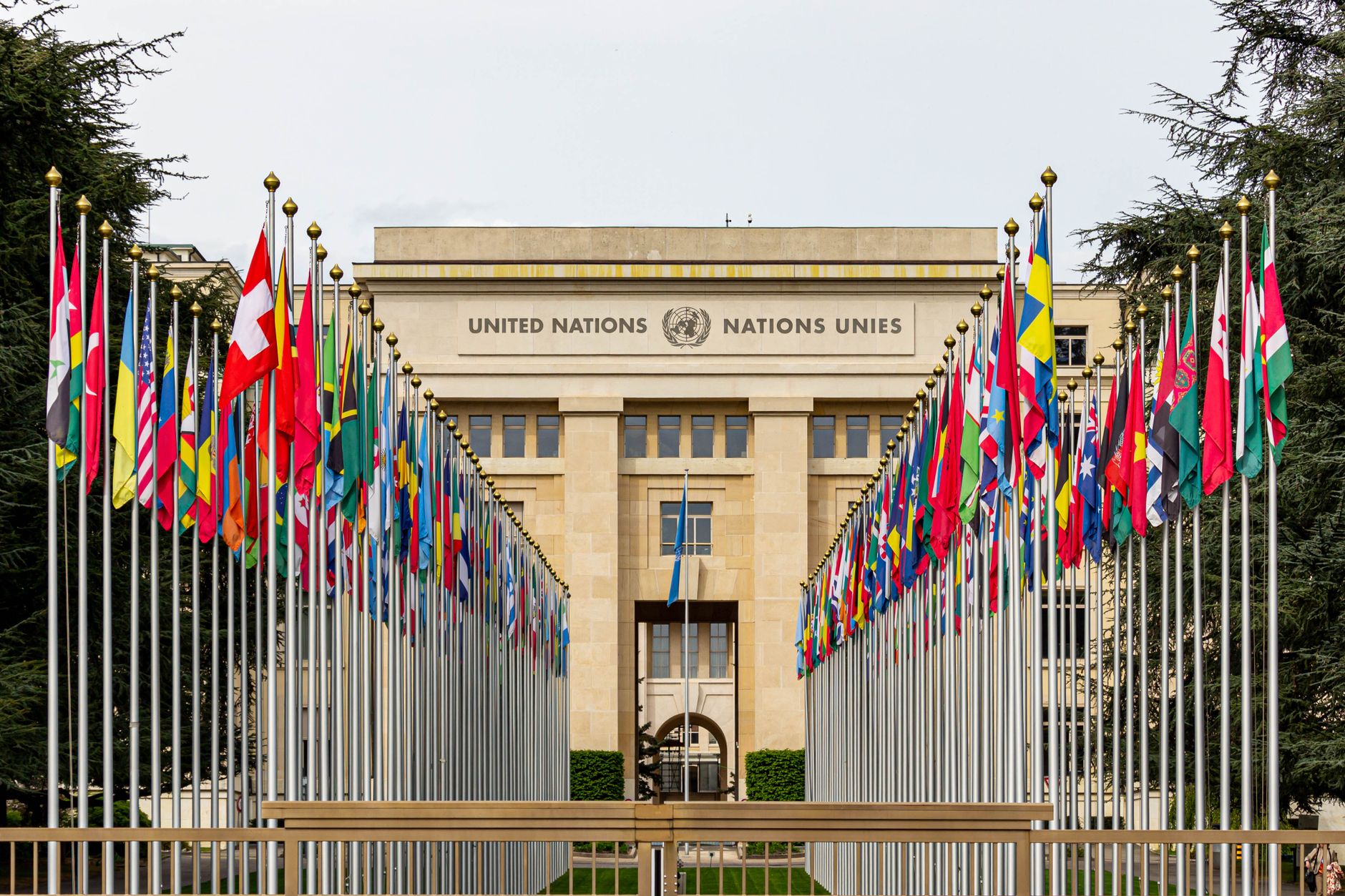
Photo by Hugo Magalhaes / Pexels
A delegation from the Baloch National Movement (BNM) met United Nations officials in Geneva on September 23, 2026, to present documentation of what it described as grave and ongoing human rights abuses in Balochistan, including enforced disappearances and extrajudicial killings.
What was presented, and to whom
The BNM delegation, led by chairman Naseem Baloch, met Grazyna Baranowska, chair-rapporteur of the UN Working Group on Enforced or Involuntary Disappearances (WGEID). The delegation handed over a six-month human rights report and a dossier on enforced disappearances compiled by Paank, a Baloch human rights documentation body. According to that documentation, Paank recorded 1,223 cases of enforced disappearance and 188 extrajudicial killings in Balochistan in 2025. The BNM said its report shows families left without answers and, in some cases, homes deserted across the province as a result of the practice.
A pattern of incidents through September
The Geneva briefing followed a month in which rights organizations reported several individual cases in Balochistan. On September 15, 20-year-old student Kifayat Baloch was reported forcibly disappeared from outside the University of Balochistan in Quetta. Days later, rights groups reported the killing of 47-year-old farmer Alam Khan and the enforced disappearance of three other civilians in a separate incident. Earlier in the month, UN human rights experts had already issued a statement expressing alarm over the alleged enforced disappearance, torture, and death in custody of a Baloch student, Imran Ali, and had urged Pakistan to conduct a prompt, impartial investigation. Build Better Pakistan has not independently verified the individual case details reported by rights organizations and relies here on their public documentation and UN statements.
How the numbers compare, and why they differ
Different organizations tracking enforced disappearances in Balochistan report different totals, largely because they draw on different methodologies and time windows. Pakistan's own official mechanism, the Commission of Inquiry on Enforced Disappearances, has recorded at least 10,078 cases nationwide since it began operating, with 2,752 of those in Balochistan and a larger share, 3,485, in Khyber Pakhtunkhwa. Rights groups including the Baloch Yakjehti Committee (BYC) and Paank generally report higher, more recent per-year figures for Balochistan specifically, reflecting cases they say the state's official inquiry process has not captured or resolved. Pakistani officials, including the military's public-relations wing, have in the past disputed rights groups' characterizations of these cases, without, in BYC's account, substantiating specific counter-claims in detail.
Why this lands now
The Geneva meeting comes roughly three months after a Balochistan court sentenced BYC leader Gulzadi Baloch to life imprisonment, a case we covered in September, and amid an active security situation in the province where separatist group the Balochistan Liberation Army has claimed dozens of operations against security forces this year. Balochistan's rights and security dynamics remain deeply intertwined: the same province that hosts an active militant insurgency and a heavy security-force presence is also where documentation of civilian disappearances and killings has been rising, and international bodies including the UN Human Rights Council have repeatedly pressed Pakistan on the issue without, so far, a fundamental change in the pattern rights groups describe.
What we don't yet know
Pakistan's government did not issue an immediate public response to the September 23 Geneva briefing specifically, as of this writing. Build Better Pakistan will update this piece if Islamabad or the Balochistan provincial government responds to the BNM's presentation or the underlying case documentation.
Build Better Pakistan's Rights Desk covers Balochistan's civil-rights and security dynamics as part of our ongoing coverage.
This article is part of our Rights & Justice coverage — Access to justice, courts and civil rights.
Frequently Asked Questions
- What happened in Geneva on September 23?
- A Baloch National Movement (BNM) delegation led by chairman Naseem Baloch met Grazyna Baranowska, chair-rapporteur of the UN Working Group on Enforced or Involuntary Disappearances (WGEID), and presented a six-month human rights report and a dossier on enforced disappearances in Balochistan prepared by the rights body Paank.
- How large is the documented caseload of enforced disappearances in Balochistan?
- Figures vary by organization and time period. Paank's documentation cited in the BNM's briefing recorded 1,223 enforced-disappearance cases and 188 extrajudicial killings in Balochistan in 2025 alone. Pakistan's own official Commission of Inquiry on Enforced Disappearances has separately recorded at least 10,078 cases nationwide since it began operating, of which 2,752 were in Balochistan.
Related Reading

Rights Group Tells UN Council Pakistan's Child Marriage Laws Are Only as Good as Their Enforcement
Human Rights Focus Pakistan told the UN Human Rights Council's 63rd session that roughly 19 million women and girls in Pakistan were married before 18, and that 54% of those marriages happened in provinces that already had a legal minimum age of 18 at the time — evidence, HRFP says, that new laws mean little without prosecutions behind them.
BBP Rights Desk · September 28, 2026 · 4 min
Balochistan CM Confirms 1,000 Residents to Be Relocated Ahead of Shor Parod Operation
Sarfraz Bugti told the Balochistan Assembly that around 1,000 people from the mountainous Shor Parod area of Mastung district will be temporarily relocated for a security operation, as Kalat's administration set a September 28 deadline to vacate and residents elsewhere reported similar orders.
BBP Balochistan Desk · September 28, 2026 · 3 min

Federal Constitutional Court Upholds Ban on Ahmadi Community's Core Religious Text
Pakistan's Federal Constitutional Court dismissed all petitions against a 2014 Punjab government ban on the 23-volume Rohani Khazayeen, the Ahmadiyya community's foundational religious writings, prompting UN and international rights groups to renew concern over the community's treatment.
BBP Rights Desk · September 28, 2026 · 4 min