Pakistan Condemns Houthi Drone Strike on Madina Power Station as 'Grave Provocation'
A Houthi drone knocked out a transformer at the Taibah power station supplying Madina's Prophet's Mosque on September 29. Pakistan's Foreign Office called it a grave provocation, the latest test of the mutual-defence pact it signed with Saudi Arabia in August.
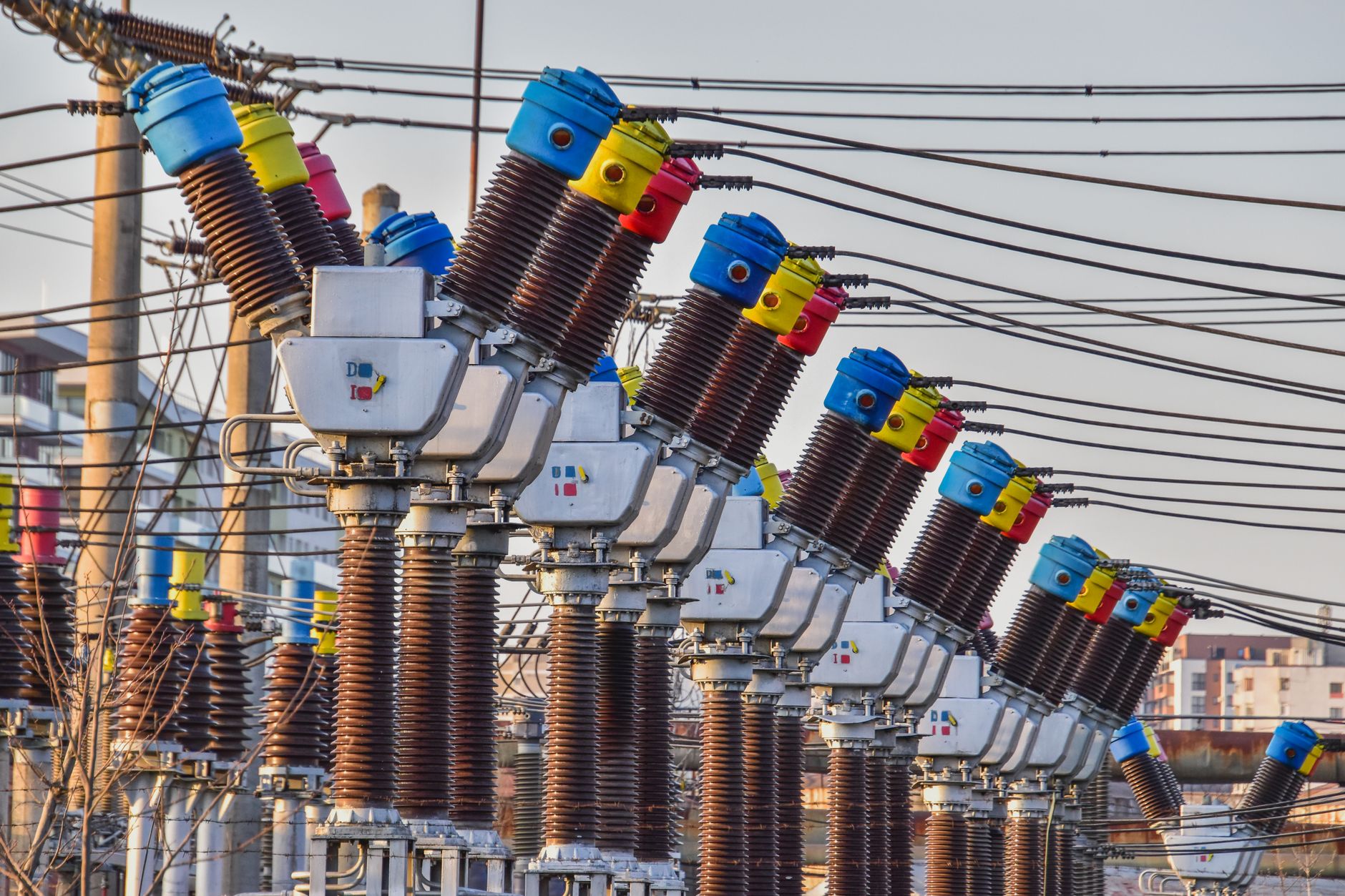
Photo by Diana / Pexels
A Houthi drone struck a civilian power facility in Madina before dawn on September 29, 2026, and Pakistan's government answered within days with some of its sharpest language yet on the Yemen-based militia — language that now carries the weight of an actual defence commitment rather than just solidarity.
What was hit, and what wasn't
The drone hit the Taibah power distribution station at 5:11 a.m. local time, disabling one transformer. The Saudi-led coalition said the wider electricity network was not affected and reported no casualties or major outages. The significance was less about the damage than the target: Taibah supplies electricity to the area around the Prophet's Mosque, one of the two holiest sites in Islam, in a city that over a million pilgrims visit each year. Saudi investigators examined the drone wreckage and concluded the Houthi militia had planned and carried out the strike; a Houthi military source dismissed the accusation as false.
Pakistan's response
Pakistan's Foreign Office did not treat the attack as a routine regional skirmish. Its statement called the strike "a grave provocation and a matter of deep concern and anguish for millions of Muslims worldwide," given the facility's role in powering infrastructure around the mosque. It demanded "an immediate and unconditional end of such reckless actions that also constitute a grave threat to regional peace and security," and reaffirmed what it called Pakistan's "unwavering solidarity" with Saudi Arabia, including support for the kingdom's "sovereignty, territorial integrity and security."
That phrasing — sovereignty, territorial integrity, security — echoes the language of an actual treaty rather than a diplomatic nicety. Pakistan and Saudi Arabia signed the Makkah Joint Defence Agreement in August 2026, a mutual-defence pact that the two governments have since been testing in public, one statement at a time. We've covered the pact's signing in detail separately.
A pact that keeps getting tested
The Madina strike is only the latest escalation in a pattern that has been building for weeks. Pakistan, Saudi Arabia and Turkiye agreed on September 24 to convene a meeting of their military chiefs of staff specifically over the rising Houthi threat, as the group's missile and drone attacks on Saudi territory intensified and Houthi officials warned Islamabad and Ankara against joining the fight directly. That meeting and the warnings behind it are covered in our earlier report.
Six days later, on September 30, Defence Minister Khawaja Asif went further than the Foreign Office's condemnation, stating plainly that Pakistan's full military capability is available to Saudi Arabia under the Makkah agreement. Asked directly whether Pakistani forces had already struck Houthi-linked targets, Asif declined to answer either way — an ambiguity that itself signals how seriously Islamabad is treating the commitment. See our report on Asif's remarks for the full context.
Why the target chosen matters
Previous Houthi attacks on Saudi Arabia this year hit targets in Abha, Khamis Mushait, Jazan and Najran — border and economic infrastructure, not the country's religious heart. A strike on a facility that keeps the lights on around the Prophet's Mosque reads differently in Islamabad, where public opinion treats attacks near the two holy mosques as a different category of provocation than attacks on Saudi military or industrial sites. That distinction is almost certainly why Pakistan's language jumped straight to "grave provocation" rather than the more procedural condemnations it has issued after earlier strikes.
What to watch next
The planned military chiefs' meeting under the Makkah agreement has not yet produced a public readout of concrete next steps, and Pakistan's government has still not confirmed or denied any direct military role against Houthi targets. Whether Islamabad moves from rhetorical solidarity to visible military commitment is now the question that will determine how far this defence pact actually extends beyond its signing ceremony.
Build Better Pakistan's Foreign Desk tracks the Makkah Joint Defence Agreement and Pakistan's regional security commitments as they develop.
This article is part of our Security coverage — Public safety, policing and community trust.
Frequently Asked Questions
- What happened at the Madina power station on September 29?
- A drone struck the Taibah power distribution station in Madina at 5:11 a.m. on September 29, 2026, knocking out one transformer. The Saudi-led coalition said no casualties or major outages resulted, since the wider electricity network — which feeds the Prophet's Mosque, one of Islam's two holiest sites — was unaffected. An investigation into the drone wreckage attributed the attack to the Houthi militia, which denied involvement.
- Why does a Houthi attack on Saudi Arabia matter for Pakistan specifically?
- Pakistan signed the Makkah Joint Defence Agreement with Saudi Arabia in August 2026, committing to the kingdom's defence. Defence Minister Khawaja Asif said on September 30 that Pakistan's full military capability is available to Saudi Arabia against the Houthis, declining to say whether Pakistani forces have already struck Houthi-linked targets.
Related Reading

Four Survivors of the MT Honour 25 Hijacking Are Coming Home. Three Others Are Coming Back in Coffins.
Deputy PM Ishaq Dar says four of the ten Pakistani crew of the hijacked tanker MT Honour 25 will land in Karachi on October 3, safely retrieved after a five-month ordeal. The Foreign Office is separately working to repatriate the bodies of the three Pakistanis pirates killed during the September 29 rescue.
BBP Security Desk · October 2, 2026 · 3 min

Violence-Linked Deaths Surged 83pc in Pakistan Last Quarter, Think Tank Finds
A Centre for Research and Security Studies report counted 1,415 violence-linked fatalities across Pakistan between July and September 2026, an 83 percent jump from the previous quarter, with Balochistan and Khyber Pakhtunkhwa together accounting for 98 percent of the deaths.
BBP Security Desk · October 2, 2026 · 3 min

Shehbaz and Munir Meet Trump at the White House as Pakistan Signs Drone MoU With Trump-Linked Firm
PM Shehbaz Sharif and Field Marshal Asim Munir met Donald Trump, JD Vance and Marco Rubio at the White House on September 25 to discuss counterterrorism cooperation. Days earlier, Pakistan's Ministry of Defence signed a memorandum with Powerus, a drone startup backed by Donald Trump Jr and Eric Trump, for a limited procurement order whose value and systems remain undisclosed.
BBP Security Desk · October 1, 2026 · 4 min