FBR to Send Survey Teams Into Markets to Map Shops Dodging the POS System
The government has decided to send on-ground teams into Karachi, Lahore and Islamabad to geo-tag shops that are not integrated with the Point of Sale network, after the Tajir Dost Scheme failed to bring traders into the tax net voluntarily.
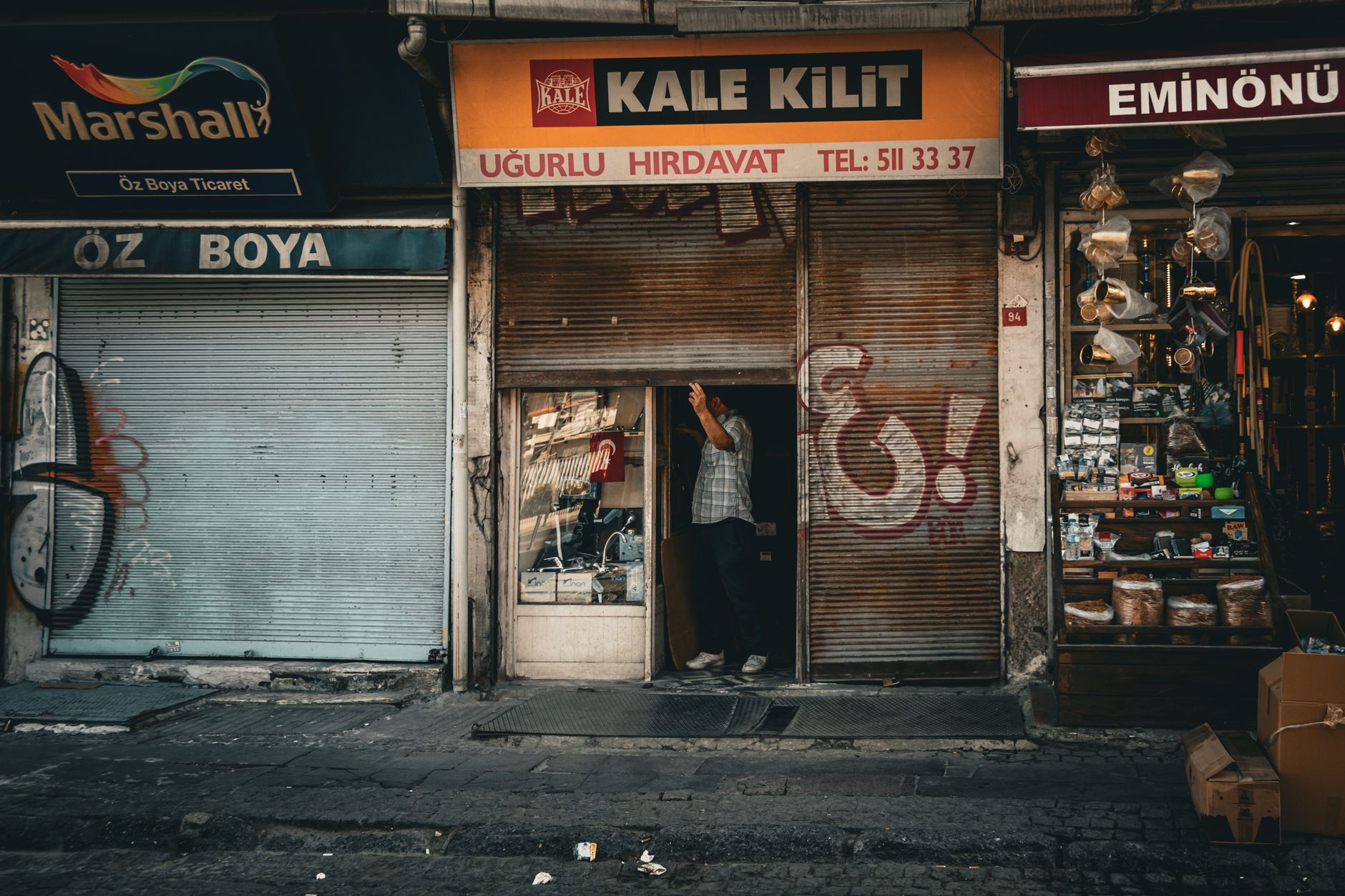
Photo by Hüseyin Göçek / Pexels
The government has decided to send survey teams into the markets of Karachi, Lahore and Islamabad to physically map shops that have not integrated with the Federal Board of Revenue's Point of Sale (POS) system, officials said this week. Vehicle-equipped teams will visit large malls and commercial zones, geo-tagging retailers and wholesalers who are either avoiding POS entirely or under-reporting transactions through it.
Why the FBR is going door to door
The decision follows the collapse of the Tajir Dost Scheme, the voluntary registration drive the FBR had relied on to pull small traders into the tax net. That scheme produced only a trickle of new filers against the numbers the program needed, leaving the FBR to estimate that somewhere between 50,000 and 100,000 shops across the three cities still sit outside the POS network entirely. By contrast, only around 11,000 shops are currently connected — a figure that grows to roughly 22,000 once their branches are included. Geo-tagging is the FBR's attempt to find the gap between those two numbers one shop at a time, rather than waiting for traders to register themselves.
The fixed tax scheme traders can choose instead
Shopkeepers are not being forced into the POS system outright. The government's fixed tax scheme gives small traders an alternative: a flat levy of 1 percent on sales up to Rs 200 million a year, in exchange for which participants are exempt from tax audits, from the requirement to install a POS terminal, and from acting as withholding agents. FBR field staff are also barred from entering the premises of shops enrolled under the scheme. We covered the retail-sector tension this created when the FBR tried to extend similar POS logic to private hospitals and clinics, which triggered a nationwide strike by the Pakistan Medical Association in late September.
What non-compliance now costs
For traders who pick neither the POS route nor the fixed tax scheme, the FBR has laid out an escalating penalty schedule: Rs 10,000 for the first month of non-compliance, Rs 25,000 for the second, and Rs 50,000 for the third. A similar enforcement mechanism already applies to restaurants and hotels in Islamabad, and the FBR appears to be extending that model to general retail now that geo-tagging gives it a way to identify who is actually non-compliant rather than relying on self-reported data.
The pressure behind the push
The drive is not happening in isolation. The IMF has kept an indicative target of Rs 50 billion in revenue tied to broadening the retail tax base, and the Fund has been pushing the FBR toward enforcement action after the voluntary scheme underdelivered. That pressure sits inside a broader set of program targets we have tracked through this year's review talks, where tax-net expansion is one of the harder commitments for Islamabad to show progress on. It also follows a quarter in which the FBR beat its tax collection target for the first time in years, a result that still leaned heavily on withholding and import taxes rather than on bringing new retailers into the net — which is precisely the gap this survey is meant to close.
What to watch next
The real test is not the announcement but the follow-through: geo-tagging surveys have been proposed before without translating into sustained enforcement, and retailer bodies have historically resisted on-ground FBR visits as harassment. Whether teams can actually complete surveys across three major cities, and whether the penalty schedule is applied consistently once they do, will determine if this closes the gap between 22,000 connected shops and the six-figure count still outside the system.
Build Better Pakistan's Economy Desk is tracking FBR's tax-net expansion efforts and will update this piece as the survey rollout proceeds.
This article is part of our Economy coverage — Inflation, growth, trade and the everyday cost of living across Pakistan.
Frequently Asked Questions
- How many shops is the FBR trying to bring into the POS network?
- The FBR estimates that 50,000 to 100,000 shops and wholesale outlets in Karachi, Lahore and Islamabad still need to be integrated with its Point of Sale system. Around 11,000 shops are currently connected, a figure that rises to about 22,000 once their branches are counted.
- What happens to a shop that refuses to comply?
- The FBR is developing a penalty mechanism for retailers caught issuing receipts outside the POS system, similar to one already applied to restaurants and hotels in Islamabad. Separately, traders who decline both the POS route and the fixed tax scheme face escalating fines: Rs 10,000 for a first month of non-compliance, rising to Rs 25,000 in the second month and Rs 50,000 in the third.
Related Reading

FBR Sets Up a 'Faceless' Centre to Take Tax Officers Out of Audits
The Federal Board of Revenue has stood up a National Faceless Centre in Islamabad, staffed with 27 officers, to run tax audits and assessments through a computerised, risk-based system rather than direct contact with a local tax official.
BBP Economy Desk · October 2, 2026 · 4 min
FBR Beats Its First-Quarter Tax Target for the First Time in Years
The Federal Board of Revenue collected Rs3,083.5 billion in July-September 2026 against a Rs3,053 billion target, a result that matters directly to Pakistan's IMF program after the same quarter missed its target by Rs198 billion a year earlier.
BBP Economy Desk · October 1, 2026 · 3 min
ADB Moves Toward $1.1 Billion Financing for ML-1 Railway After Pakistan Dropped It From CPEC
The Asian Development Bank is finalising a $1.1 billion programme to rebuild the 480km Karachi-Rohri stretch of Pakistan Railways' Main Line-1, four months after the government pulled the project out of CPEC to chase multilateral financing instead.
BBP Economy Desk · October 1, 2026 · 4 min