Pakistan Medical Association Calls Nationwide Hospital Strike for September 30 Over FBR Tax Rules
The Pakistan Medical Association says private hospitals and clinics nationwide will shut on September 30 to protest the FBR's reclassification of healthcare as retail sales and its Point of Sale mandate on hospitals.

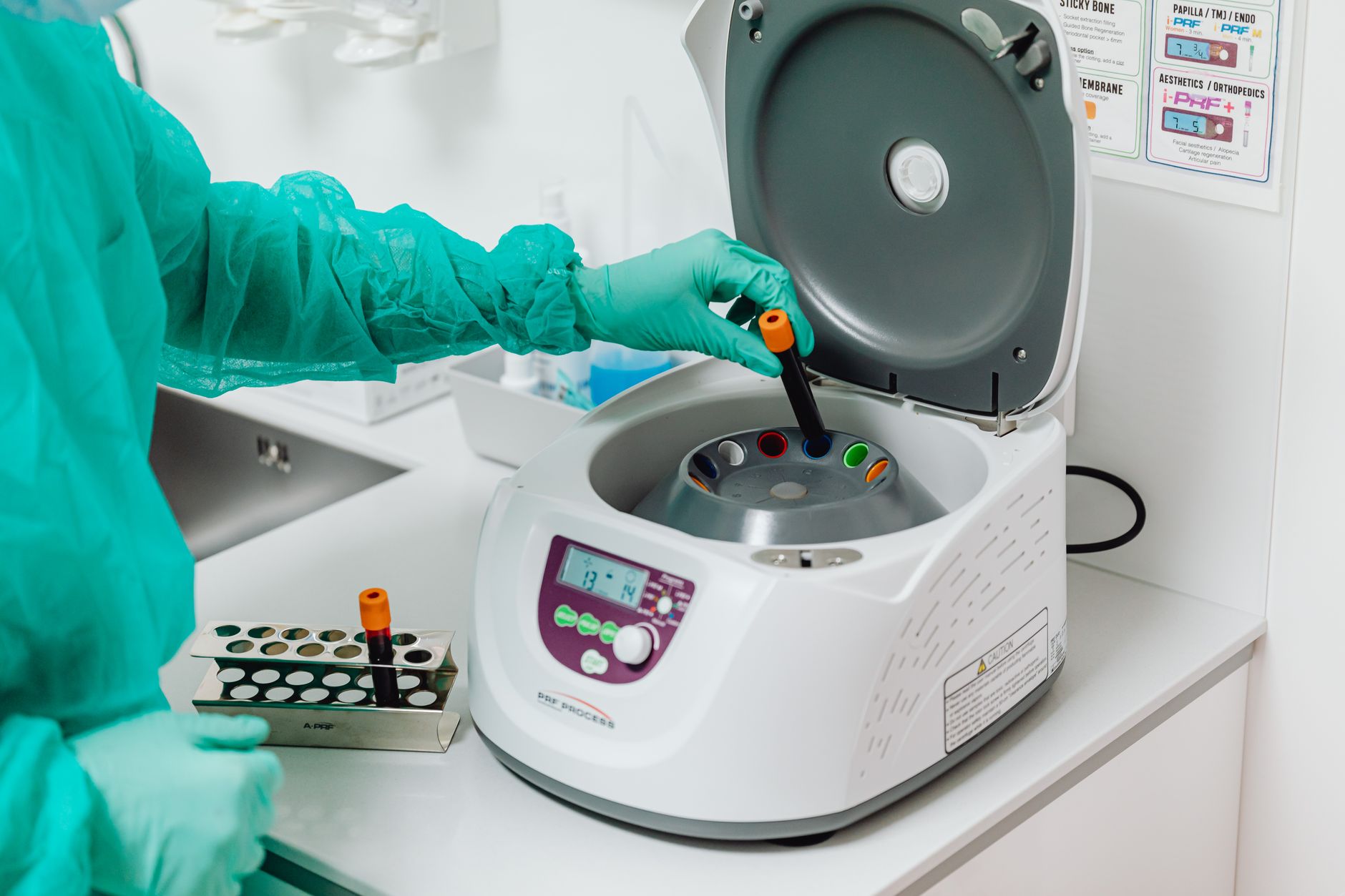
Photo by RDNE Stock project / Pexels
The Pakistan Medical Association (PMA) announced on September 26, 2026 that it will hold a nationwide strike on September 30, shutting private hospitals and clinics across the country in protest against Federal Board of Revenue (FBR) policies the association says are treating medical care as retail commerce.
What the FBR changed
At the center of the dispute is the FBR's move to reclassify healthcare services as retail sales and require private hospitals to install Point of Sale (POS) systems — the same electronic sales-tracking registers used in shops and restaurants. PMA Secretary General Dr Abdul Ghafoor Shoro said the medical community "strongly rejects the FBR's arbitrary reclassification of healthcare services as retail sales and the forced imposition of Point of Sale systems on private hospitals." The association argues that treating a hospital bill like a retail transaction misreads what private healthcare providers actually do, and has said enforcement has come with heavy fines and raids on hospital premises.
The scale of what's at stake
Private hospitals provide more than 70 percent of healthcare services in Pakistan, according to the PMA, and the association says those facilities already pay regular income tax on top of whatever additional burden the POS requirement adds. The strike call covers hospitals and clinics nationwide, with the PMA saying private healthcare providers across the country would join the closure on September 30. That would make it one of the broadest disruptions to private medical care the country has seen this year, arriving in the same week Punjab's MDCAT results exposed a separate strain on the health and education pipeline — 37,708 students qualified for MBBS seats that public colleges cannot come close to accommodating.
What the PMA is demanding
The association's list of demands is specific: withdraw the POS requirement, eliminate the fines already levied against hospitals, stop the raids on hospital premises, and recognize medical professionals as providing an essential public service rather than running retail outlets. PMA Punjab president Dr Kamran Saeed Sheikh went further, appealing directly to Prime Minister Shehbaz Sharif to take personal notice of the dispute, warning that further pressure from the FBR would compound what he described as the country's already dire healthcare situation.
Where this sits in the broader tax push
The clash fits a pattern this year of the FBR extending its enforcement reach into sectors that have not traditionally been treated as points of sale, a push that has generated friction well beyond hospitals — the FBR's new registration and withholding rules for social media influencers, introduced in the same broader compliance drive, drew similar objections over how a professional activity gets classified for tax purposes. For a revenue authority under IMF-monitored pressure to widen the tax net, healthcare and other previously under-scrutinized sectors are an obvious target; for providers on the receiving end, the complaint is the same each time — that a blanket retail classification ignores how the underlying service actually works.
What happens next
Neither the FBR nor the federal government had publicly responded to the PMA's demands as of this writing, and it remains unclear whether the September 30 strike will proceed as planned or be resolved through talks beforehand. With a single-day national shutdown of private facilities affecting the majority of the country's hospital capacity, the practical question for patients is how emergency and ongoing care will be handled on the day itself — something neither the PMA's statement nor the FBR has yet addressed in detail.
Build Better Pakistan's Health Desk is tracking the dispute and will update this piece as September 30 approaches.
This article is part of our Health coverage — Public health systems, maternal care and health equity.
Frequently Asked Questions
- Why is the Pakistan Medical Association calling a strike on September 30?
- The PMA is protesting the Federal Board of Revenue's decision to reclassify healthcare services as retail sales and its requirement that private hospitals install Point of Sale (POS) systems, the same registers used for retail transactions. The association says the policy has come with heavy fines and raids on hospital premises, and it is calling for a nationwide closure of private hospitals and clinics on September 30 in response.
- What does the PMA want the government to do?
- The PMA has demanded that the federal government and the FBR withdraw the POS requirement, eliminate the fines already issued, stop raids on hospital premises, and treat healthcare as an essential service rather than retail trade. PMA Punjab president Dr Kamran Saeed Sheikh has separately appealed directly to Prime Minister Shehbaz Sharif to intervene.
Related Reading
Sindh's Mpox Count Climbs to 43 as Karachi Keeps Adding Cases Through September
Sindh's 2026 mpox tally has risen to 43 confirmed cases, with Karachi alone accounting for 15 after two fresh diagnoses in a single week — a slow-burning outbreak that has now run for most of the year without the emergency status that accompanied mpox in 2024.
BBP Health Desk · September 29, 2026 · 4 min
WHO Extends Pakistan's Polio Travel Restrictions By Three Months
The WHO's Polio IHR Emergency Committee has extended international travel restrictions on Pakistan for another three months, citing continued wild poliovirus transmission in Karachi and southern Khyber Pakhtunkhwa — even as the country's confirmed case count for 2026 sits far below prior years.
BBP Health Desk · September 27, 2026 · 3 min
Pakistan Runs Week-Long Polio Drive for 31 Million Children as Bannu Access Gaps Persist
A nationwide polio vaccination campaign running September 21-27 targets 31 million children under five across 115 districts, deployed against a backdrop of just four confirmed cases in 2026 — down from 74 in 2024 — but continued access constraints in Bannu.
BBP Health Desk · September 24, 2026 · 3 min