37,708 Students Qualified for MBBS in Punjab's MDCAT 2026 — Public Colleges Have Room for a Fraction
The University of Health Sciences Lahore declared MDCAT 2026 results on September 24: 37,708 candidates qualified for MBBS out of 47,475 who sat the test, against roughly 3,376 public-sector MBBS seats in the province.
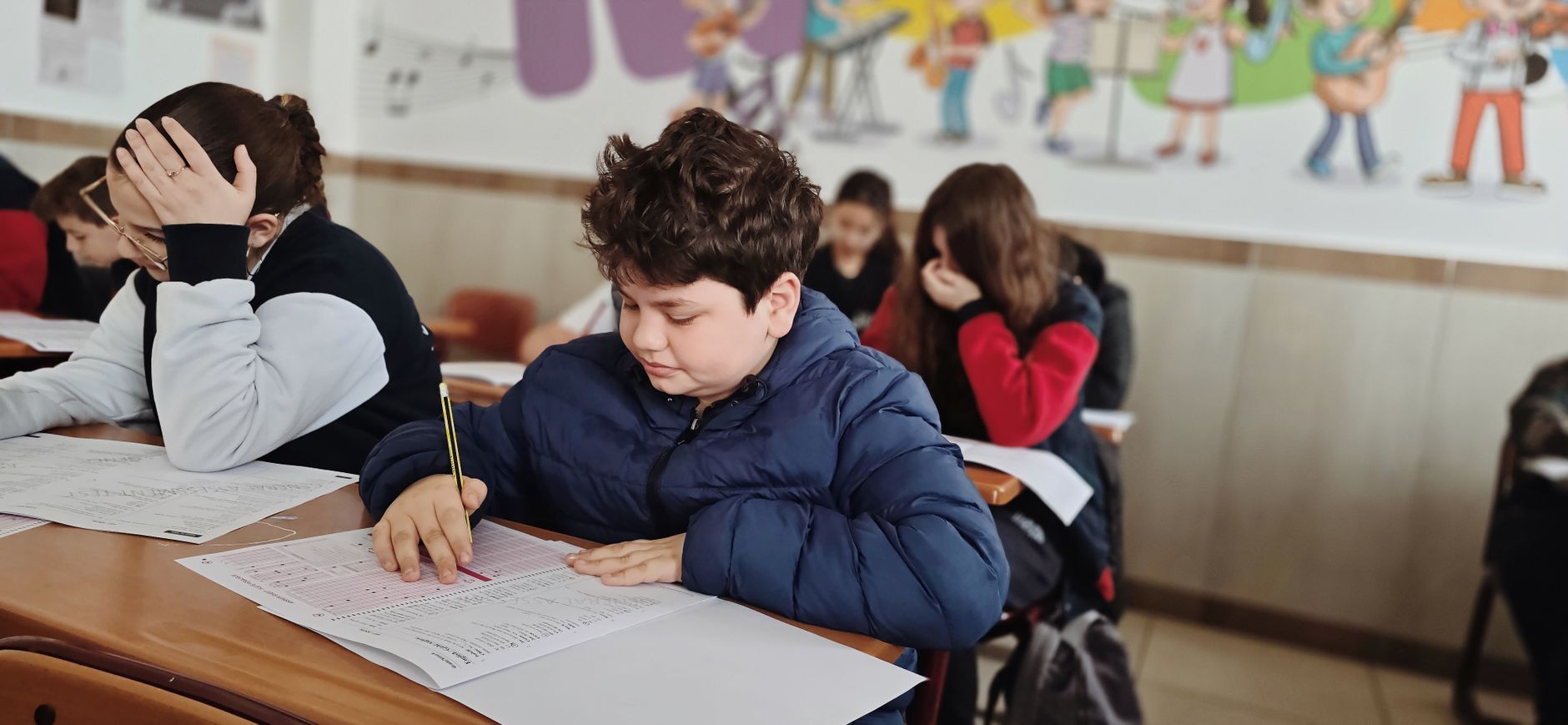
Photo by This And No Internet 25 / Pexels
The University of Health Sciences (UHS) Lahore declared the results of MDCAT 2026 on September 24, for a test administered across Punjab on September 20. Of 49,202 candidates registered, 47,475 actually sat the exam. The pass rates were high: 37,708 candidates, or 79.43 percent, qualified for MBBS, and 40,457, or 85.22 percent, qualified for BDS. What the results also confirm, again, is the scale of the gap between how many students clear the bar and how many can actually walk through a public medical college's door.
What the score distribution looks like
UHS's merit breakdown shows just how compressed the competition is at the top. Of those who qualified, 1,772 candidates scored between 170 and 180 marks, 6,682 scored between 160 and 169, 6,260 scored between 150 and 159, 5,357 scored between 140 and 149, 4,939 scored between 130 and 139, 4,382 scored between 120 and 129, and 4,188 scored between 110 and 119. That is tens of thousands of students bunched within a narrow band of marks, all competing for a fixed, far smaller number of public-sector places.
The seat math
Punjab's public-sector medical colleges, working through UHS's admission system, have roughly 3,376 MBBS seats in total. Set against 37,708 candidates who qualified this year alone, that means fewer than one in ten qualifiers can realistically expect a public-sector place, even before accounting for reserved seats, quota categories and candidates re-applying from previous years. The arithmetic hasn't shifted meaningfully in years: Punjab regularly sees tens of thousands of MDCAT-qualified students chasing a public-college seat count that barely moves.
What happens to everyone else
For students who clear MDCAT but miss the public-sector cutoff, the alternative is Punjab's roughly 4,600 private-sector MBBS seats — at a price the public system doesn't charge. The Pakistan Medical and Dental Council caps private-college tuition at approximately Rs 1.8 million per year (with a small number of institutions such as the Aga Khan University exempted from that cap, charging closer to Rs 2.6 million annually). Across a five-year MBBS degree, once admission fees, examination costs and living expenses are added, the total bill typically runs between Rs 10 million and Rs 18 million — a sum well beyond what most Pakistani households can cover without borrowing or liquidating assets.
A pipeline problem, not just an exam-day one
The story MDCAT results tell every year is less about test difficulty and more about capacity: Pakistan's public university system has not expanded medical-college seats at anywhere near the rate at which qualified applicants have grown. That mismatch sits alongside a related, and in some ways more troubling, trend — graduate unemployment data released this month shows that even where Pakistan does produce enough graduates, the labour market has struggled to absorb them, an irony not lost on families who will spend a decade's income to guarantee a medical seat their taxes have already, in principle, paid for through the public system. The candidates who don't make the public-sector cut this year are not necessarily less prepared than those who do — thousands of them are separated by a mark or two on a single exam sitting.
Build Better Pakistan's Education Desk covers admissions, access and the structural gaps in Pakistan's education pipeline.
This article is part of our Education coverage — Access, quality and the out-of-school children crisis.
Frequently Asked Questions
- How many students qualified in MDCAT 2026, and how many can actually get a public-sector MBBS seat?
- The University of Health Sciences Lahore declared results on September 24, 2026 for the test held across Punjab on September 20. Of 47,475 candidates who appeared, 37,708 (79.43 percent) qualified for MBBS and 40,457 (85.22 percent) qualified for BDS. Punjab's public-sector medical colleges have roughly 3,376 MBBS seats in total, meaning the large majority of qualified candidates cannot secure a public-sector place regardless of how far above the minimum threshold their score falls.
- What does it cost to study MBBS at a private medical college in Pakistan instead?
- Private medical college tuition in Pakistan is capped at roughly Rs 1.8 million per year by the Pakistan Medical and Dental Council, translating to a total program cost of somewhere between Rs 10 million and Rs 18 million once admission charges, examination fees and living costs are included — a bill few families who could not secure a public-sector seat are able to absorb without loans or family assets.
Related Reading
HEC Warns Students: Unapproved Foreign Degree Partnerships Won't Be Recognised
The Higher Education Commission issued a public alert on September 27 telling students to verify that any foreign degree offered through a local Pakistani institution appears on HEC's approved Transnational Education partner list before enrolling or paying fees.
BBP Education Desk · September 27, 2026 · 4 min

Punjab Approves New School Curriculum, Cuts Textbook Load by 25%
Punjab Chief Minister Maryam Nawaz Sharif approved a revised curriculum on September 24 that trims textbook volume by 25 percent and adds QR-coded video lessons, starting with Early Childhood Education through Grade 5 for the academic session beginning April 2027.
BBP Education Desk · September 24, 2026 · 3 min
Graduate Unemployment Runs Well Above the National Rate, Gallup Analysis Finds
Unemployment among Pakistani graduates stands at 18.3%, against a national rate of 14.7% across all education levels — and hits 32.8% for graduates aged 20 to 24, according to Gallup Pakistan's analysis of the 2024-25 Labour Force Survey.
BBP Education Desk · September 24, 2026 · 4 min