Graduate Unemployment Runs Well Above the National Rate, Gallup Analysis Finds
Unemployment among Pakistani graduates stands at 18.3%, against a national rate of 14.7% across all education levels — and hits 32.8% for graduates aged 20 to 24, according to Gallup Pakistan's analysis of the 2024-25 Labour Force Survey.
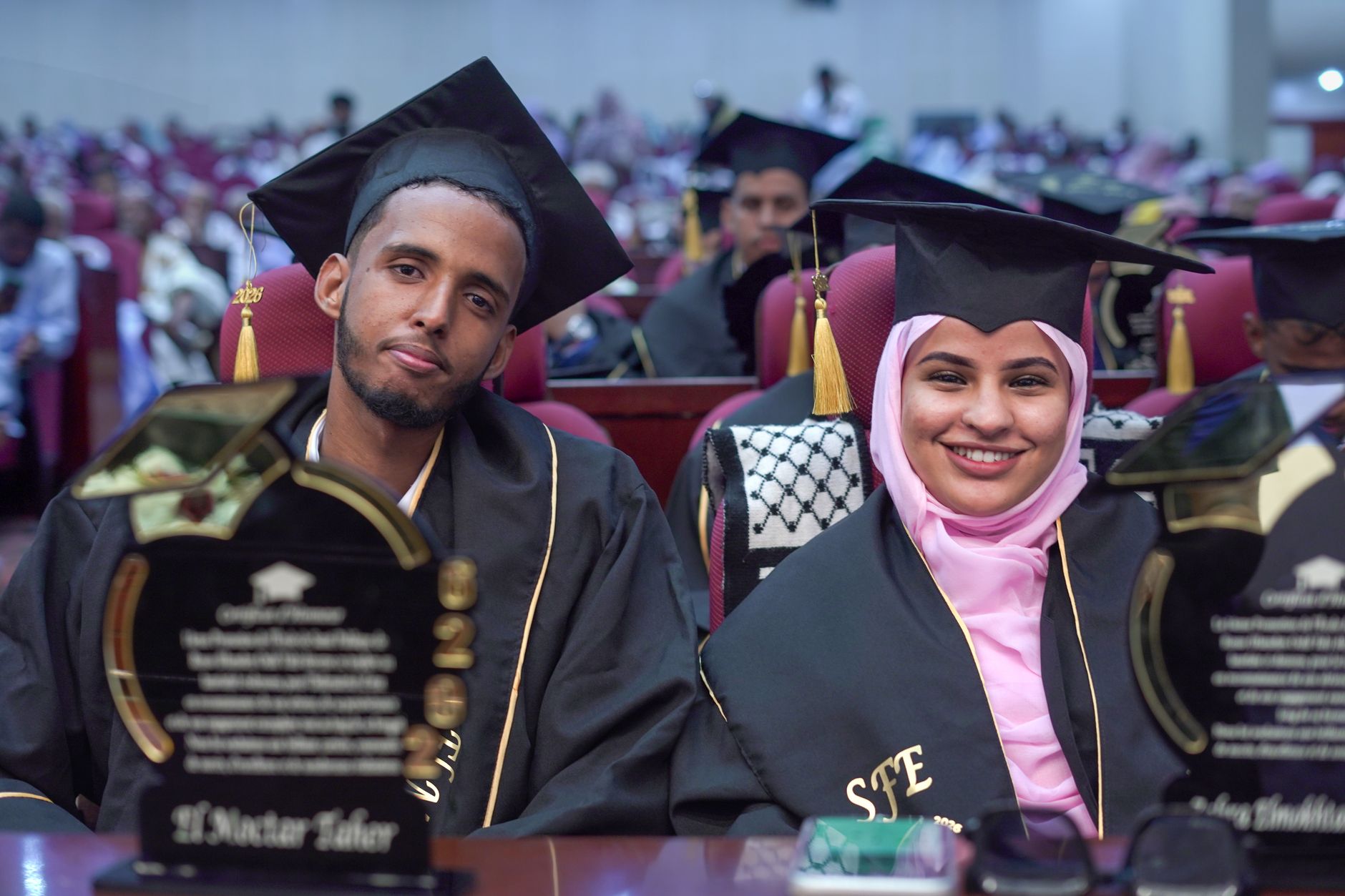
Photo by Ben Bouh / Pexels
Pakistani graduates are more likely to be unemployed than the workforce as a whole, according to an analysis of the government's own labour data. Gallup Pakistan's Digital Analytics unit, working from microdata in the Pakistan Bureau of Statistics' Labour Force Survey 2024-25, found unemployment among graduates running at 18.3% — well above the 14.7% national rate across all education levels combined, published September 24, 2026.
A credential that doesn't guarantee a job
The headline gap already complicates a common assumption — that finishing a degree improves your odds in the job market more reliably than it does in Pakistan's case, at least in the near term. The gap is starkest at the start of a graduate's working life. Among those aged 20 to 24, unemployment reaches 32.8%, meaning close to one in three recent graduates in that age band who are actively in the labour force cannot find work. The rate eases only gradually as graduates age: it falls to 24.8% for those 25 to 29, 15.3% for 30 to 34, and down to 5.3% by ages 40 to 44 — a pattern consistent with graduates eventually finding placement, but only after a prolonged and difficult entry into the workforce.
The gender gap is wider than the headline number suggests
Splitting the youngest bracket by gender shows the burden falls unevenly. Among graduates aged 20 to 24, 42.3% of women in the labour force are unemployed, compared with 26.1% of men — a gap of roughly 16 percentage points. It does not close with age either: among 25-to-29-year-old graduates, 45.2% of women are unemployed against 14.9% of men, meaning the gender gap actually widens in the second age bracket the survey examined, even as men's unemployment nearly halves. Labour economists studying similar patterns elsewhere point to a mix of factors — employer hiring bias, fewer women remaining in or re-entering the labour force after early setbacks, and occupational segregation into fields with fewer openings — though the Labour Force Survey itself does not isolate a single cause.
Why this sits awkwardly next to the out-of-school-children problem
The finding sits alongside a separate, longer-running education story this site has covered: Pakistan's out-of-school children crisis, where the debate centers on getting tens of millions of children into classrooms at all. Gallup's numbers describe the opposite end of the pipeline — young people who completed the credential system is built around, only to find the labour market cannot readily absorb them. Taken together, the two data points suggest Pakistan's education-to-employment pipeline has weak points at both ends: getting children in, and getting graduates out into jobs that use what they learned.
The economic backdrop graduates are entering
Graduates are also job-hunting into a difficult macro environment. Pakistan's cost-of-living pressures have squeezed formal-sector hiring budgets at the same time universities continue producing more graduates than the market has historically absorbed, a mismatch labour economists have flagged for years without a coordinated policy response. It is also one of the structural pressures behind sustained emigration among the educated, which shows up elsewhere in Pakistan's economic data — including the remittance flows that have become a fiscal lifeline even as they represent, in human terms, a loss of exactly the skilled workers this survey shows struggling to find work at home.
What the numbers don't tell us
The Labour Force Survey measures unemployment among people actively in the labour force — it does not capture graduates who have stopped looking for work, taken jobs well below their qualification level, or left the country. Gallup's analysis, drawn from PBS microdata rather than a fresh survey, describes the scale of the mismatch without prescribing a fix; provincial education and labour departments have not yet issued a formal response to the findings as of this writing.
Build Better Pakistan's Education Desk covers education policy, enrollment data and the school-to-employment pipeline across Pakistan.
This article is part of our Education coverage — Access, quality and the out-of-school children crisis.
Frequently Asked Questions
- How does graduate unemployment in Pakistan compare with the national rate?
- Gallup Pakistan's analysis of the 2024-25 Labour Force Survey found 18.3% unemployment among graduates, against 14.7% nationally across all education levels. Among graduates aged 20 to 24 specifically, unemployment reaches 32.8% — nearly one in three.
- Are male and female graduates affected equally?
- No. Among graduates aged 20 to 24, 42.3% of women in the labour force are unemployed, compared with 26.1% of men. The gap persists into the next age bracket: at 25 to 29, unemployment among women graduates is 45.2%, against 14.9% for men.
Related Reading

HEC Warns Students: Unapproved Foreign Degree Partnerships Won't Be Recognised
The Higher Education Commission issued a public alert on September 27 telling students to verify that any foreign degree offered through a local Pakistani institution appears on HEC's approved Transnational Education partner list before enrolling or paying fees.
BBP Education Desk · September 27, 2026 · 4 min
37,708 Students Qualified for MBBS in Punjab's MDCAT 2026 — Public Colleges Have Room for a Fraction
The University of Health Sciences Lahore declared MDCAT 2026 results on September 24: 37,708 candidates qualified for MBBS out of 47,475 who sat the test, against roughly 3,376 public-sector MBBS seats in the province.
BBP Education Desk · September 25, 2026 · 3 min

Punjab Approves New School Curriculum, Cuts Textbook Load by 25%
Punjab Chief Minister Maryam Nawaz Sharif approved a revised curriculum on September 24 that trims textbook volume by 25 percent and adds QR-coded video lessons, starting with Early Childhood Education through Grade 5 for the academic session beginning April 2027.
BBP Education Desk · September 24, 2026 · 3 min