WHO Extends Pakistan's Polio Travel Restrictions By Three Months
The WHO's Polio IHR Emergency Committee has extended international travel restrictions on Pakistan for another three months, citing continued wild poliovirus transmission in Karachi and southern Khyber Pakhtunkhwa — even as the country's confirmed case count for 2026 sits far below prior years.
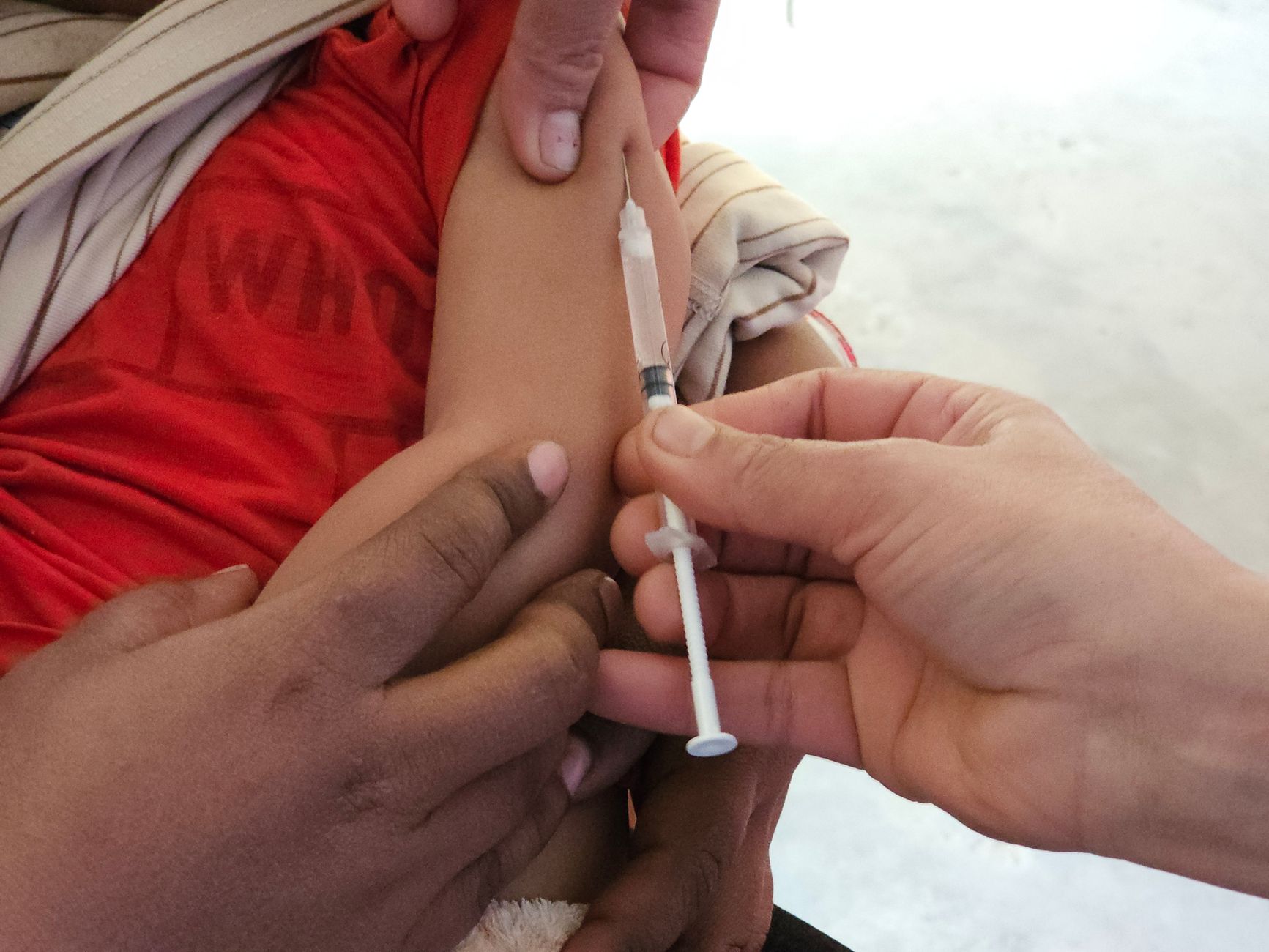
Photo by CP Khanal / Pexels
The World Health Organization's Polio IHR Emergency Committee has extended international travel restrictions on Pakistan for a further three months, concluding after its latest review that the international spread of poliovirus still constitutes a Public Health Emergency of International Concern (PHEIC). The decision, announced September 27, keeps in place a regime of conditional travel measures that has applied to Pakistan for years under the WHO's International Health Regulations.
What the committee found
The Emergency Committee said it remains gravely concerned about continued poliovirus transmission in Pakistan and Afghanistan, singling out ongoing wild poliovirus type 1 (WPV1) circulation in Karachi and southern Khyber Pakhtunkhwa in Pakistan, and in southern Afghanistan. The committee flagged continuous cross-border movement between the two countries as a primary driver of the virus's spread, noting that Pakistan and Afghanistan effectively pose a transmission risk to each other regardless of which side records a given case.
The numbers behind the decision
As of this review, 57 environmental samples collected from sewage sites across Pakistan have tested positive for WPV1 so far in 2026. Four confirmed WPV1 cases have been reported across the two countries this year — three in Afghanistan and one in Pakistan. That is a markedly better picture than 2024, when Pakistan alone recorded 74 confirmed cases, underscoring that the extension is being driven by environmental surveillance data and cross-border transmission risk rather than a surge in diagnosed paralysis cases.
What the restrictions mean in practice
The WHO's polio-related travel measures require states to certify that departing travellers have received a dose of oral polio vaccine within the preceding twelve months, or at least four weeks before travel, before they can exit Pakistan — a condition Pakistan has operated under continuously since the WHO first imposed it. The extension does not add new restrictions; it keeps the existing certification regime in force for another three-month cycle rather than allowing it to lapse.
The vaccination effort underneath this decision
Pakistan has been running its own countermeasure in parallel: a week-long sub-national vaccination campaign that ran September 21-27 targeting 31 million children under five across 115 districts nationwide, which we covered in detail as it launched. That campaign has continued to face access constraints in Bannu, one of the areas the WHO specifically flagged for ongoing transmission risk, illustrating the gap between the scale of Pakistan's vaccination response and the persistence of environmental detections the WHO is reacting to.
Why this keeps coming back
Pakistan's confirmed case trajectory has clearly improved compared with 2024, yet the country has not managed to clear the environmental-surveillance and cross-border-transmission bar the WHO uses to lift travel measures altogether. That gap between declining paralysis cases and persistent sewage-sample positivity is the same dynamic that has kept Pakistan on the WHO's restricted list review after review, and it means the certification requirement is likely to remain a routine feature of international travel out of Pakistan for as long as environmental detections in Karachi and southern Khyber Pakhtunkhwa continue.
Build Better Pakistan's Health Desk tracks Pakistan's polio eradication effort and will report on the next Emergency Committee review as it comes due.
This article is part of our Health coverage — Public health systems, maternal care and health equity.
Frequently Asked Questions
- Why has the WHO extended travel restrictions on Pakistan?
- The WHO's Polio IHR Emergency Committee reviewed the situation and concluded that international spread of poliovirus continues to constitute a Public Health Emergency of International Concern, citing ongoing wild poliovirus type 1 transmission in Karachi and southern Khyber Pakhtunkhwa and continuous cross-border movement with Afghanistan.
- How bad is Pakistan's polio situation in 2026 compared to past years?
- As of this review, 57 environmental (sewage) samples in Pakistan have tested positive for wild poliovirus type 1 in 2026, and one confirmed WPV1 case has been reported in Pakistan this year, against three in Afghanistan. Pakistan's confirmed case count has fallen sharply since 2024, when the country recorded 74 cases.
Related Reading
Sindh's Mpox Count Climbs to 43 as Karachi Keeps Adding Cases Through September
Sindh's 2026 mpox tally has risen to 43 confirmed cases, with Karachi alone accounting for 15 after two fresh diagnoses in a single week — a slow-burning outbreak that has now run for most of the year without the emergency status that accompanied mpox in 2024.
BBP Health Desk · September 29, 2026 · 4 min

Pakistan Medical Association Calls Nationwide Hospital Strike for September 30 Over FBR Tax Rules
The Pakistan Medical Association says private hospitals and clinics nationwide will shut on September 30 to protest the FBR's reclassification of healthcare as retail sales and its Point of Sale mandate on hospitals.
BBP Health Desk · September 27, 2026 · 3 min
Pakistan Runs Week-Long Polio Drive for 31 Million Children as Bannu Access Gaps Persist
A nationwide polio vaccination campaign running September 21-27 targets 31 million children under five across 115 districts, deployed against a backdrop of just four confirmed cases in 2026 — down from 74 in 2024 — but continued access constraints in Bannu.
BBP Health Desk · September 24, 2026 · 3 min