ADB Moves Toward $1.1 Billion Financing for ML-1 Railway After Pakistan Dropped It From CPEC
The Asian Development Bank is finalising a $1.1 billion programme to rebuild the 480km Karachi-Rohri stretch of Pakistan Railways' Main Line-1, four months after the government pulled the project out of CPEC to chase multilateral financing instead.
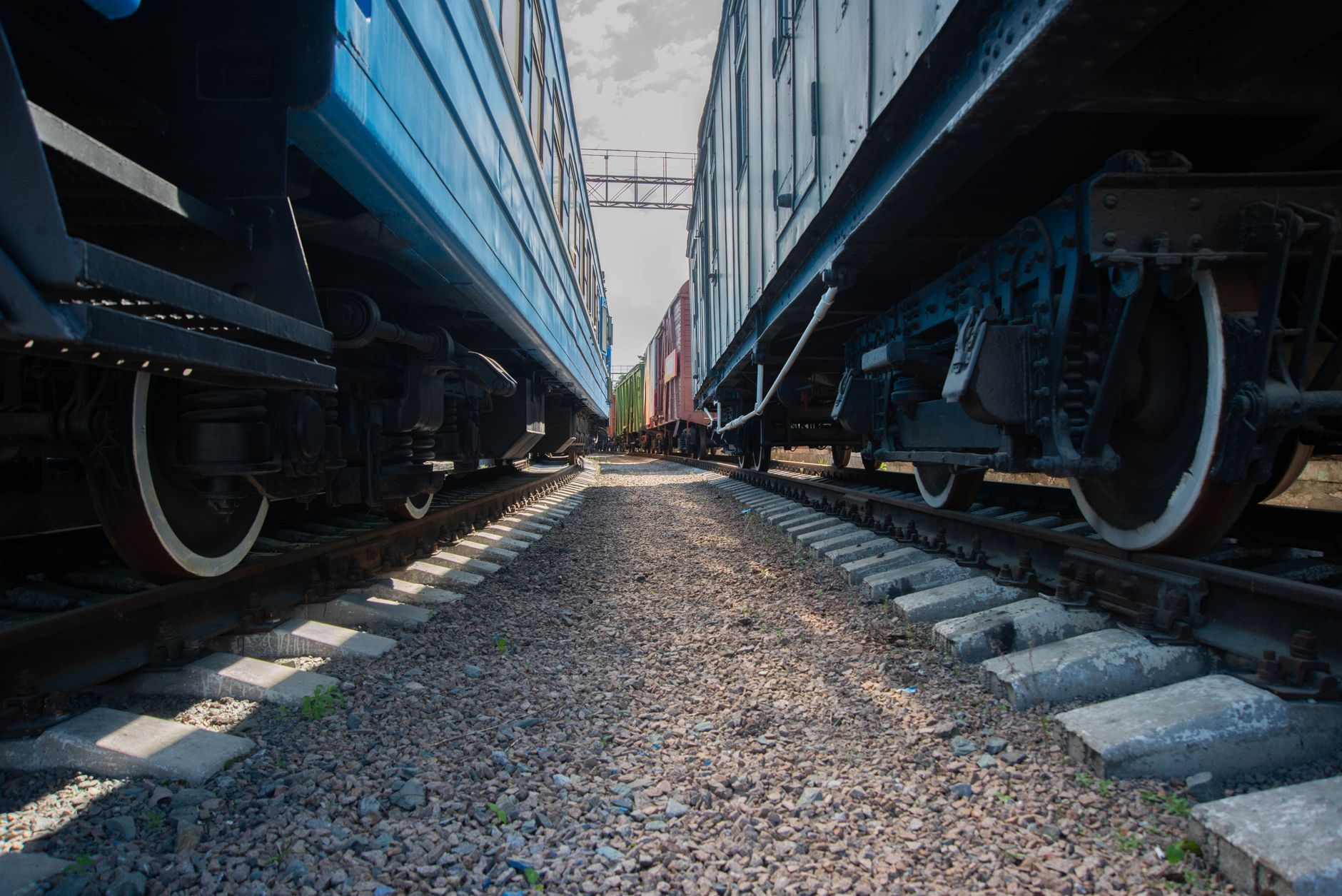
Photo by Александр Лич / Pexels
The Asian Development Bank is finalising a $1.1 billion investment programme to rebuild the 480km Karachi-Rohri section of Pakistan Railways' Main Line-1 (ML-1), the country's core freight and passenger corridor — financing that is materialising months after Islamabad pulled the project out of CPEC altogether.
What the ADB is putting on the table
Of the $1.1 billion package, $1 billion would come from the ADB's ordinary capital resources and $100 million from its concessional ordinary capital resources lending. The multi-tranche facility is meant to fund climate-resilient infrastructure upgrades along the line, modernised signalling and operations, and institutional and capacity-building reforms for Pakistan Railways. A fact-finding mission is scheduled for January 2027, when ADB officials will work through project specifics with both the federal government and the Sindh government, which the Karachi-Rohri stretch runs through.
From a Chinese megaproject to a multilateral one
ML-1 has been the largest single item on CPEC's unfinished list for years, with its full scope — a 1,250km upgrade from Karachi to Peshawar — repeatedly estimated near $7 billion and repeatedly delayed over financing terms with Beijing. That changed on July 3, 2026, when the federal government told a National Assembly committee that ML-1 was being formally removed from CPEC and would instead pursue financing from the ADB and other lenders. The move followed a September 2025 arrangement in which Pakistan and China assembled a consortium of bilateral and multilateral partners — including the ADB and the Asian Infrastructure Investment Bank — to get the long-stalled project moving under new terms.
It's a notable contrast with the rest of CPEC, which is advancing on the Chinese-financed track: Beijing is funding 85% of the Karakoram Highway rebuild under CPEC Phase II, launched at September's 14th Joint Cooperation Committee meeting. ML-1 going the ADB route instead suggests Pakistan is now willing to split its infrastructure financing across different lenders project by project, rather than keeping everything inside the China relationship.
Why the Karachi-Rohri section first
The 480km Karachi-Rohri segment is the busiest and most commercially significant portion of the full ML-1 corridor, carrying the bulk of freight moving between Karachi's ports and the rest of the country. Narrowing the ADB's initial financing to this stretch, rather than the full Karachi-Peshawar line, mirrors how multilateral lenders have approached ML-1 before: project-readiness financing the ADB approved in 2025 covered preparatory design work, and officials have said since September that technical teams were working to finalise the project's design by October 2026 — a target that lines up with this week's announcement.
What it means for the IMF-era financing picture
An ADB-financed ML-1 would be one of the largest non-IMF capital commitments Pakistan has lined up this year, arriving as the country separately works to deepen its local-currency bond market for retail investors under an IMF-linked plan announced in September and holds its fourth EFF review with the Fund. The ADB has also been one of the more consistently upbeat voices on Pakistan's macro picture this year, holding its FY2027 growth forecast at 3.7% in September even as it flagged energy-price risk. A large multi-tranche railway facility would be a tangible test of whether that confidence translates into committed capital, not just forecasts.
What to watch
The January 2027 fact-finding mission is the next concrete checkpoint — it's where financing terms, disbursement schedules and the federal-Sindh cost-sharing arrangement get worked out in detail. Until then, ML-1's status remains what it has been for years: a project frequently described as close to groundbreaking, with the actual shovel still not in the ground.
Build Better Pakistan's Economy Desk tracks major infrastructure financing and its implications for Pakistan's public debt and growth outlook.
This article is part of our Economy coverage — Inflation, growth, trade and the everyday cost of living across Pakistan.
Frequently Asked Questions
- How much is the ADB financing for the ML-1 railway project?
- The Asian Development Bank is finalising a $1.1 billion investment programme for the Karachi-Rohri section of Main Line-1, with $1 billion from its ordinary capital resources and $100 million from concessional ordinary capital resources lending. A fact-finding mission is planned for January 2027 to work out the details with the federal and Sindh governments.
- Why is the ADB financing ML-1 instead of China?
- Pakistan's federal government told lawmakers on July 3, 2026 that ML-1 was being taken out of CPEC and would instead seek financing from the ADB and other multilateral and bilateral lenders, after years of stalled progress on Chinese financing terms for the project.
Related Reading
Pakistan Unveils IMF-Linked Plan to Let Retail Investors Trade Government Bonds
The Ministry of Finance rolled out a Strategic Action Plan on September 30 to deepen Pakistan's rupee-denominated bond market, opening treasury bills and bonds to retail trading through brokers and banks under an IMF program condition.
BBP Economy Desk · September 30, 2026 · 4 min
Aurangzeb Opens Islamabad Round of IMF Talks, With $1.2 Billion Riding on It
Finance Minister Muhammad Aurangzeb held a virtual kick-off meeting with IMF mission chief Iva Petrova on September 30 to formally open the policy-level round of Pakistan's fourth EFF and third RSF reviews, with roughly $1.2 billion in combined financing on the table if the talks succeed.
BBP Economy Desk · September 30, 2026 · 4 min
Shehbaz Becomes First Pakistani PM to Open London Stock Exchange Trading
Shehbaz Sharif opened a trading session at the London Stock Exchange on September 29 and met executives from JPMorgan, Barclays, Citi, BlackRock and Rothschild & Co, pitching Pakistan as a destination for foreign capital weeks after its $3 billion Eurobond drew almost $6 billion in orders.
BBP Economy Desk · September 29, 2026 · 4 min