US Treasury Sanctions Pakistani Defence Executive Over Iran Weapons Procurement Network
OFAC designated Cavalier Group chairman Waseem Pasha Tajammal and linked firms in Pakistan, Turkey and Saudi Arabia on September 29, accusing him of acting as a third-party intermediary procuring weapons components for Iran's Ministry of Defence.
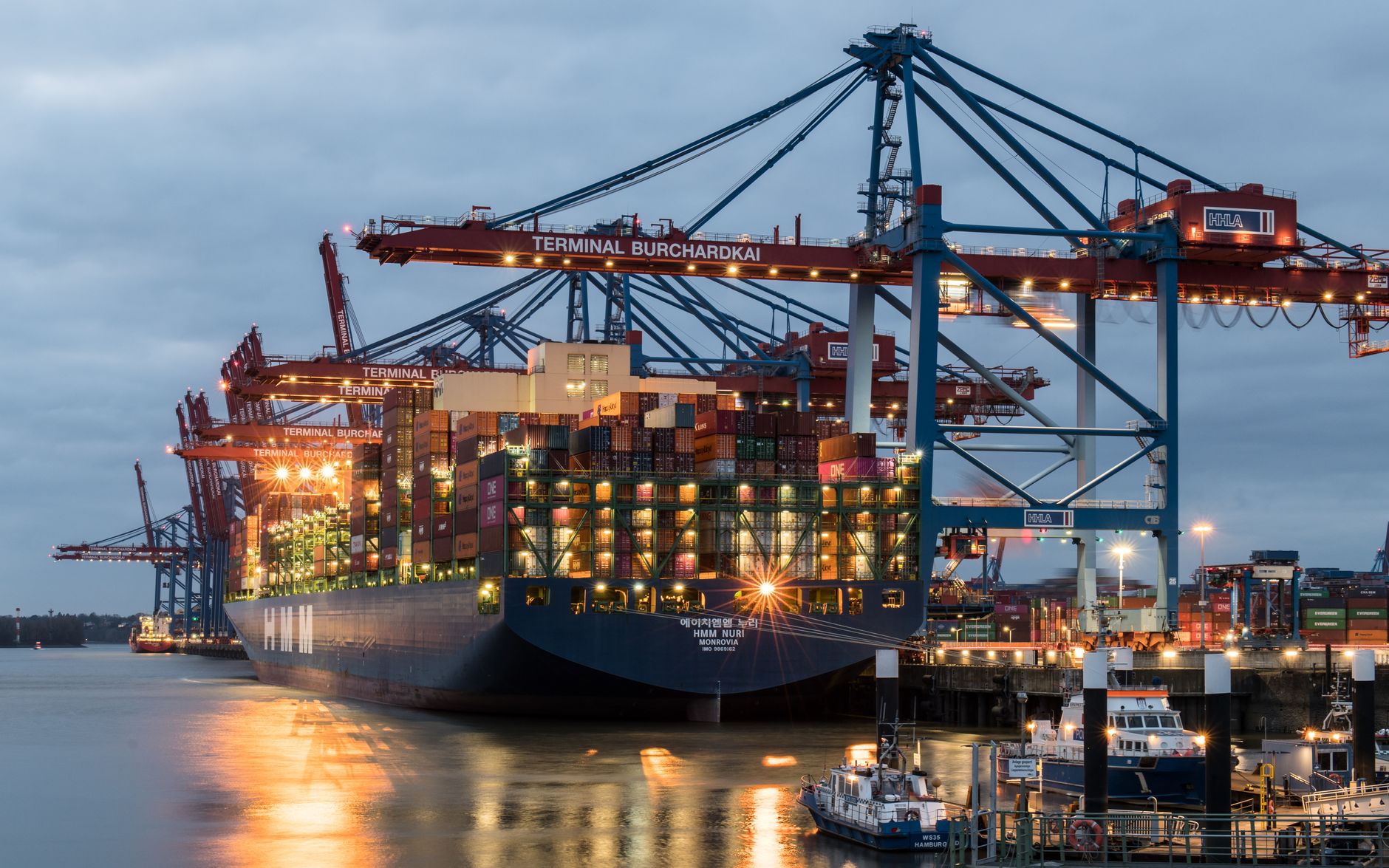
Photo by Wolfgang Weiser / Pexels
The US Treasury's Office of Foreign Assets Control (OFAC) sanctioned a Pakistani defence industry executive on September 29, 2026, accusing him of running a multi-country network that procured weapons and components for Iran's military on behalf of Tehran's Ministry of Defence and Armed Forces Logistics (MODAFL).
Who was designated
The action names Waseem Pasha Tajammal, identified as chairman of Pakistan-based defence company Cavalier Group, as the central figure in the network. OFAC's designation extends to his corporate footprint across three countries: Cavalier Dynamics Private Limited in Pakistan, Cavalier Dynamics Teknoloji in Türkiye, and Cavalier Dynamics for Technologies Company in Saudi Arabia. In total, the September 29 action designated 10 individuals and entities spanning China, Hong Kong, Pakistan, Saudi Arabia and Türkiye. According to OFAC, Tajammal used his international defence-industry contacts to act as a third-party intermediary, procuring and distributing weapons and weapons components on Iran's behalf.
Part of a wider campaign
The designation falls under "Operation Economic Outcast," the sustained Iran sanctions campaign US Treasury Secretary Scott Bessent formally launched on August 24, 2026, which this site has covered as part of the broader US-Iran conflict's economic fallout for the region, including for Pakistan. OFAC has used the campaign to issue sweeping designations against Iran-linked procurement and financing networks — the initiative's stated aim is to sever Tehran's remaining economic lifelines and pressure it back to the negotiating table after the collapse of successive ceasefires earlier this year. This is not the first Iran-related weapons-procurement sanctions round of 2026: earlier actions in May, June and July similarly targeted Chinese, Hong Kong-based and Belarusian entities and individuals accused of supplying Iran's Shahed drone and ballistic missile programs. The September 29 action is the first in the series this year to name a Pakistani company and executive by name.
The practical effect of a designation
A US sanctions designation freezes any assets the named parties hold that fall under US jurisdiction and prohibits US persons and companies from transacting with them. Its reach typically extends further than that, in practice: foreign banks and companies that continue doing business with a designated individual or entity risk being cut off from the US dollar-clearing system themselves, a secondary-sanctions exposure that tends to concern international partners and financiers more than the direct asset freeze does. For a Pakistani-headquartered defence firm with stated operations in Turkey and Saudi Arabia, the designation creates immediate friction for any dollar-denominated transactions those entities or their partners still intend to process.
Why the timing matters for Pakistan
The designation lands at a delicate moment for Pakistan's international financial standing. Islamabad has spent much of 2026 working to shore up investor confidence through its IMF program, efforts to develop a local-currency bond market, and attempts to reverse a decline in foreign direct investment flagged by OICCI and the Fund earlier this year. A US sanctions action naming a Pakistani company, even one targeted at an individual executive rather than the state, risks feeding exactly the kind of compliance caution among international banks and investors that Pakistani officials have been trying to dispel. It also surfaces again amid an otherwise warming diplomatic track between Islamabad and Washington this year, including Pakistan's formal Nobel Peace Prize nomination for President Trump — a reminder that economic and security tracks between the two countries can move in different directions simultaneously.
What's not yet known
Pakistani officials had not issued a public response to the designation as of this writing, and it remains unclear what regulatory or legal exposure, if any, Cavalier Group's Pakistan-registered entity faces domestically beyond the US asset freeze. OFAC's announcement did not specify a dollar value for the weapons or components allegedly procured through the network, nor the time period the Treasury's enforcement action covers.
Build Better Pakistan's Foreign Desk tracks how US sanctions policy toward Iran intersects with Pakistani business, trade and foreign relations.
This article is part of our Security coverage — Public safety, policing and community trust.
Frequently Asked Questions
- Who did the US Treasury sanction, and why does it involve Pakistan?
- On September 29, 2026, the Treasury's Office of Foreign Assets Control (OFAC) designated 10 individuals and entities across China, Hong Kong, Pakistan, Saudi Arabia and Türkiye for procuring weapons and components for Iran's Ministry of Defence and Armed Forces Logistics (MODAFL). The Pakistani figure named is Waseem Pasha Tajammal, chairman of defence company Cavalier Group, along with Cavalier Dynamics Private Limited, its Pakistan-registered arm.
- What does being added to the OFAC sanctions list actually do?
- A US sanctions designation freezes any assets the named individuals or entities hold that are subject to US jurisdiction and generally bars US persons from doing business with them. It also carries secondary-sanctions risk for foreign banks and companies that continue dealing with a designated party, which is typically the bigger practical deterrent for firms seeking access to the dollar-based financial system.
Related Reading
Defence Minister Asif Says Pakistan Will Defend Saudi Arabia by 'Whatever Means' Against the Houthis
Days after army chiefs from Pakistan, Saudi Arabia and Turkiye met in Riyadh, Defence Minister Khawaja Asif said Pakistan's full military capability is available to Saudi Arabia under the Makkah pact, and declined to say whether Pakistani forces have already struck Houthi-linked targets.
BBP Security Desk · September 30, 2026 · 4 min

Somali Pirates Killed Three Pakistani Sailors Before Puntland Forces Freed Their Hijacked Tanker
Puntland's Maritime Police Force recovered the MT Honour 25 on September 29, more than five months after Somali pirates seized it with 10 Pakistanis aboard. The pirates killed five crew members, including three Pakistanis, as the rescue operation closed in.
BBP Security Desk · September 30, 2026 · 4 min

11 Children Hurt as School Van's Brakes Fail, Catches Fire in Murree
A private school van went off Sign Road in Murree's Masiari area on September 29 after its brakes failed, then caught fire. Eleven children were injured, four critically, and police say the van was carrying no fire extinguisher. Punjab's chief minister has ordered vehicle fitness checks on rural school transport.
BBP Security Desk · September 29, 2026 · 3 min