Afghan Returns From Pakistan Pass 2.7 Million Since 2023, UN Agencies Report
A joint UNHCR-IOM flash update puts cumulative Afghan returns from Pakistan at 2,719,148 since September 2023, with 705,400 in 2026 alone, as weekly deportations continue alongside voluntary departures.
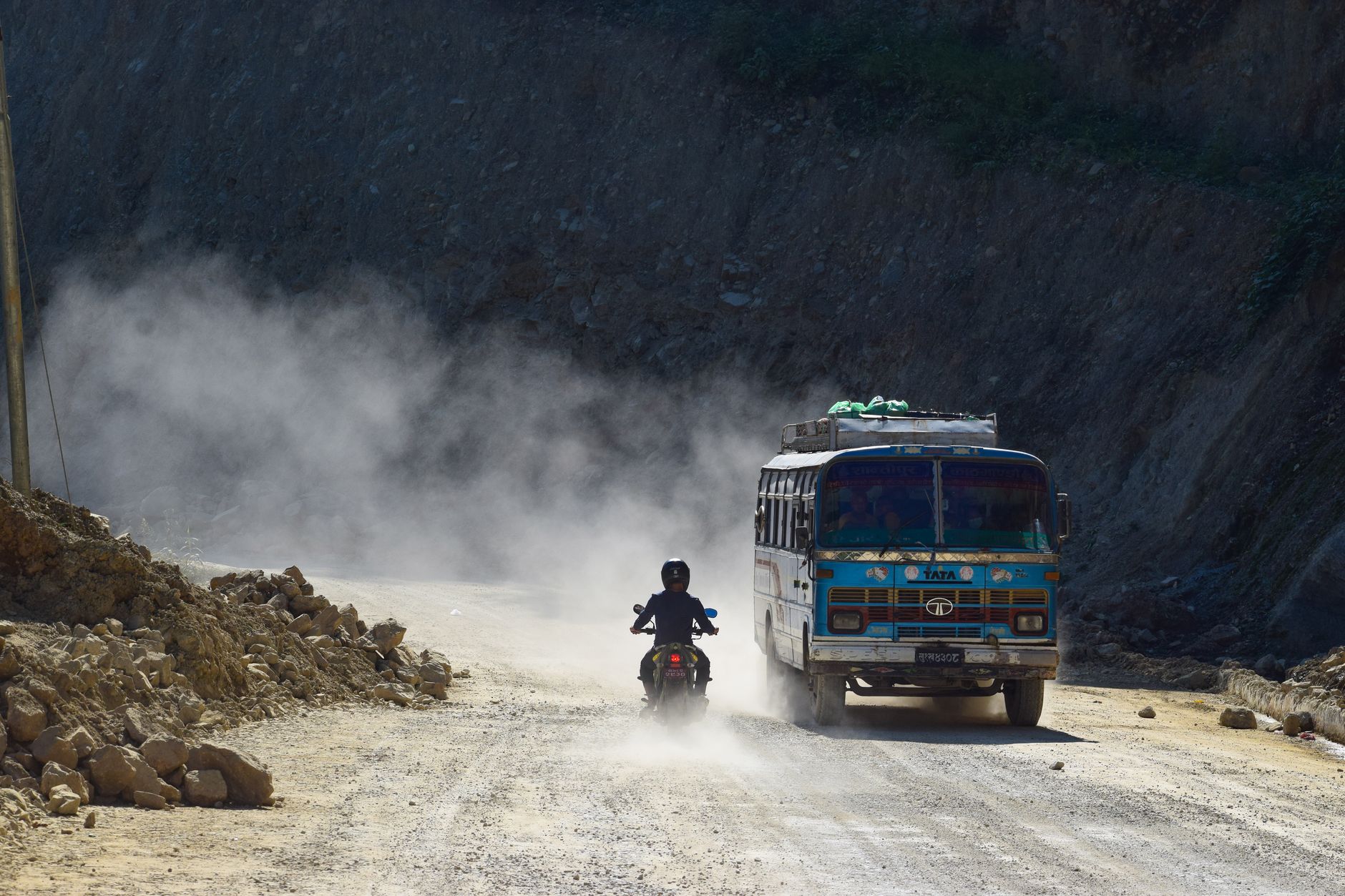
Photo by Sagar Gnawali / Pexels
More than 2.7 million Afghans have returned from Pakistan to Afghanistan since Islamabad's repatriation drive began in September 2023, according to the latest joint flash update from the UN refugee agency (UNHCR) and the International Organization for Migration (IOM), which tracks border-crossing data on a rolling basis.
What the latest numbers show
The update, covering data through September 12, 2026, puts cumulative Afghan returns from Pakistan at 2,719,148 individuals since the campaign's September 2023 start. Of that total, 705,400 returned during 2026 alone — a figure that made Pakistan the source of 57.4 percent of all Afghan returns recorded regionally in 2026, according to the same reporting period. The pace has not slowed as the year has gone on: in the single week of September 6-12, 2026, UNHCR and IOM recorded 5,942 Afghans crossing back into Afghanistan through points including Torkham, Chaman, Ghulam Khan, Badini and Bahramcha. Of that week's total, 668 were recorded specifically as deportations, with the remainder processed through the voluntary return channel.
Why the numbers keep climbing
Pakistan's repatriation plan has moved in phases, each targeting a different category of Afghan resident: undocumented migrants first, then holders of Afghan Citizen Cards, and finally holders of UNHCR-issued Proof of Registration (PoR) cards — a group that numbered more than 1.4 million people before this phase began. The formal deadline for PoR holders to leave voluntarily or face deportation took effect on September 1, triggering the wave of returns UN agencies have logged since. Islamabad has defended the pace of the drive by pointing to security concerns and arguing that a long-settled refugee population has become an economic burden; UNHCR has pushed back specifically on sweeping PoR holders into forced returns, given that card was originally meant to confer longer-term protection.
The rights concern UN agencies keep raising
UNHCR's objection is not to repatriation in principle — voluntary return has always been part of its own mandate — but to the risk that genuine refugees with protection needs are being swept into deportation alongside undocumented migrants with no such claim. The agency has specifically urged Pakistan to exempt Afghans with international protection needs from involuntary return, warning that some deportees face danger under Taliban rule precisely because of why they fled in the first place. That tension — between a host country's right to end an open-ended hosting arrangement and a refugee's right not to be returned to danger — is the same one running through other rights stories out of Pakistan this year, including the UNHRC child marriage report and Balochistan's enforced-disappearances record before the UN.
The border backdrop
The repatriation drive is unfolding against a Pakistan-Afghanistan relationship already strained by recurring border violence. Islamabad has accused Kabul's Taliban administration of sheltering militants who stage cross-border attacks, a dispute that has produced repeated clashes this year, including fighting in the Gulistan border area in late September and Afghan claims of fighters killed after crossing from Pakistan. Kabul, for its part, denies harbouring anti-Pakistan groups and has called the security situation Pakistan's internal problem — the same framing that colours how each government talks about the refugees crossing between them.
What comes next
With the PoR deadline now passed and deportation figures still being added to each week, the open question is less whether the numbers keep rising — they have all year — than whether UNHCR's exemption request for refugees with protection claims gets any traction with Islamabad before the next flash update is published.
Build Better Pakistan's Rights Desk tracks Pakistan's Afghan repatriation drive and the human rights questions it continues to raise.
This article is part of our Rights & Justice coverage — Access to justice, courts and civil rights.
Frequently Asked Questions
- How many Afghans have returned from Pakistan since the repatriation drive began?
- A joint UNHCR-IOM flash update covering the period through September 12, 2026 puts cumulative returns from Pakistan to Afghanistan at 2,719,148 individuals since September 15, 2023, with 705,400 of those returning during 2026 alone.
- Are all of these returns forced deportations?
- No. UN agencies track both voluntary repatriation and deportation separately. In the one-week period of September 6-12, 2026, for example, 5,942 Afghans returned through Pakistan's border crossings, of whom 668 were recorded as deportations, with the remainder departing through the voluntary return process.
Related Reading

Rights Group Tells UN Council Pakistan's Child Marriage Laws Are Only as Good as Their Enforcement
Human Rights Focus Pakistan told the UN Human Rights Council's 63rd session that roughly 19 million women and girls in Pakistan were married before 18, and that 54% of those marriages happened in provinces that already had a legal minimum age of 18 at the time — evidence, HRFP says, that new laws mean little without prosecutions behind them.
BBP Rights Desk · September 28, 2026 · 4 min
Balochistan CM Confirms 1,000 Residents to Be Relocated Ahead of Shor Parod Operation
Sarfraz Bugti told the Balochistan Assembly that around 1,000 people from the mountainous Shor Parod area of Mastung district will be temporarily relocated for a security operation, as Kalat's administration set a September 28 deadline to vacate and residents elsewhere reported similar orders.
BBP Balochistan Desk · September 28, 2026 · 3 min

Federal Constitutional Court Upholds Ban on Ahmadi Community's Core Religious Text
Pakistan's Federal Constitutional Court dismissed all petitions against a 2014 Punjab government ban on the 23-volume Rohani Khazayeen, the Ahmadiyya community's foundational religious writings, prompting UN and international rights groups to renew concern over the community's treatment.
BBP Rights Desk · September 28, 2026 · 4 min