Nobel Nomination, Public Praise, and Quiet Defiance: Pakistan's Balancing Act With Trump's Washington
Pakistan formally nominated Donald Trump for the Nobel Peace Prize and welcomed his praise at this year's UN General Assembly — while simultaneously declining to fall in line with US sanctions pressure over Iran. Both things are true at once.
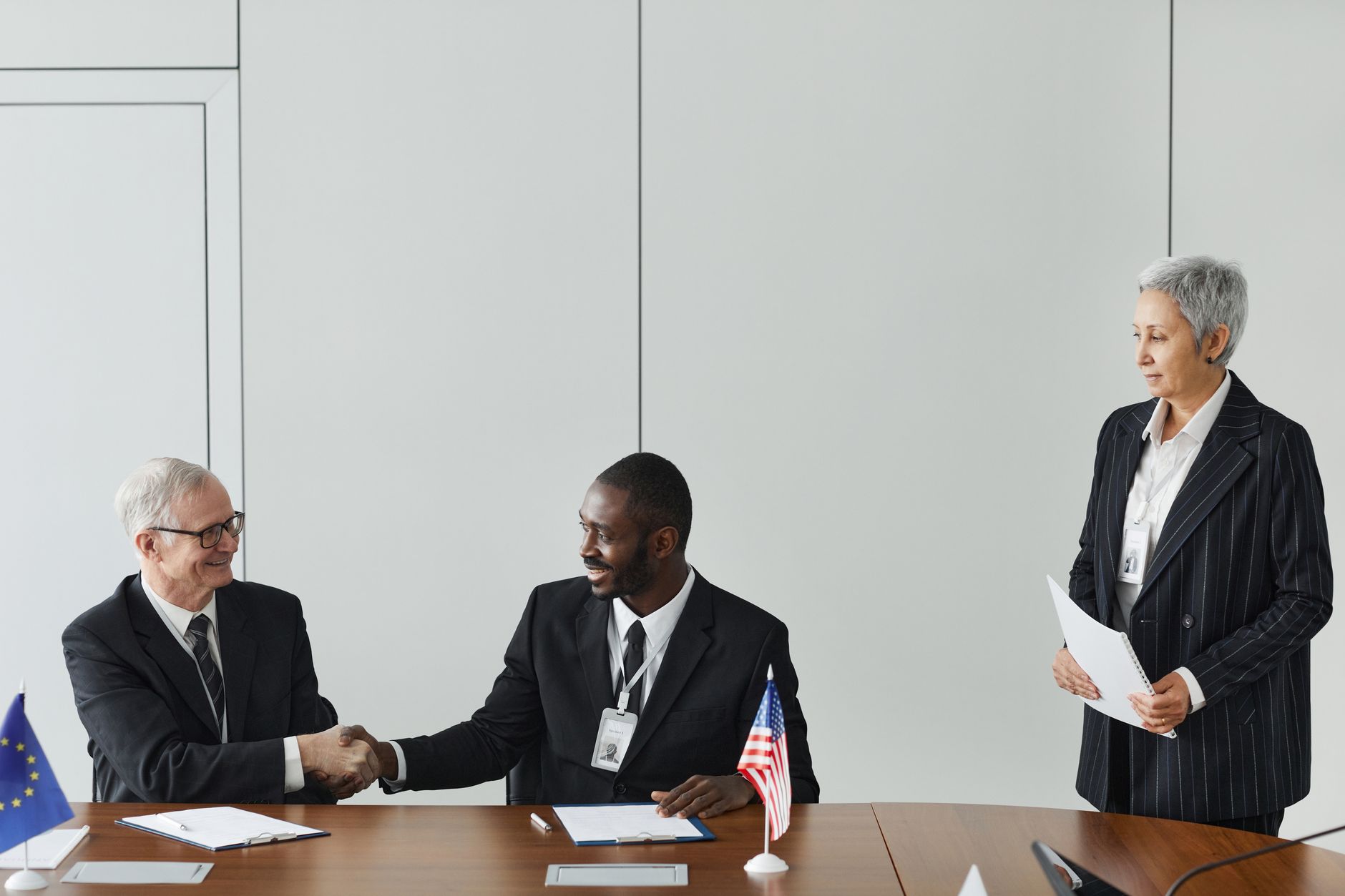
Photo by Werner Pfennig / Pexels
Pakistan's relationship with the Trump administration in 2026 doesn't fit neatly into either an "ally" or "friction" narrative — it's visibly both, running on parallel tracks that rarely intersect.
The warmth: a Nobel nomination and public praise
Pakistan's government formally recommended President Trump for the 2026 Nobel Peace Prize, crediting what it described as his decisive diplomatic intervention in helping de-escalate a regional conflict. It's an unusually public gesture of goodwill for one government to extend toward another's head of state, and it was followed by Trump offering his own public praise for Pakistan and Prime Minister Shehbaz Sharif during this year's UN General Assembly session, which we cover in more detail in our UNGA coverage. Taken together, the two moments suggest a genuinely warm working relationship at the head-of-government level.
The friction: quiet non-compliance on Iran
At the same time, Pakistan has not followed Washington's lead on one of the Trump administration's most significant foreign policy pushes this year: its sanctions campaign against Iran. When the administration escalated pressure in late August with what officials called "Operation Economic Outcast," Pakistan's Foreign Office responded with carefully worded language asserting continuity — spokesperson Tahir Andrabi stated that Pakistan is "following international law, and our bilateral trade agreements with Iran," a formulation that avoids direct confrontation with Washington while still declining to change course. We cover the broader US-Iran conflict and its effect on Pakistan's economy in a separate piece.
Why both things can be true
Pakistan's foreign policy calculus here isn't contradictory so much as it reflects genuinely separate interests that don't have to align. On one hand, Pakistan values its relationship with the current US administration for reasons that include its ongoing IMF program, regional diplomatic weight, and general strategic positioning — reasons that reward warm optics and public goodwill gestures like a Nobel nomination. On the other hand, Pakistan shares a long border and significant trade relationship with Iran that it has strong independent reasons to preserve, regardless of pressure from Washington, particularly given Iran's role in regional energy markets that already affect Pakistani fuel prices directly.
The pattern to watch
This kind of selective alignment — warm symbolism paired with quiet policy independence on specific issues — is a common feature of how middle powers manage relationships with a much larger power whose interests only partially overlap with their own. Whether it proves sustainable depends largely on how much further the US pushes on Iran sanctions specifically, and whether Washington treats Pakistan's Iran position as a tolerable exception or an escalating point of friction.
Build Better Pakistan's Foreign Desk covers US-Pakistan relations as part of our ongoing foreign policy coverage.
This article is part of our Politics & Governance coverage — Institutions, local government and how power actually gets exercised.
Frequently Asked Questions
- Why did Pakistan nominate Trump for the Nobel Peace Prize?
- Pakistan's government formally recommended President Trump for the 2026 Nobel Peace Prize, citing his diplomatic intervention that Islamabad credits with helping de-escalate a separate regional conflict — a notable gesture of goodwill from Pakistan toward the Trump administration.
- Is Pakistan following US sanctions policy on Iran?
- No — Pakistan's Foreign Office has stated it is continuing to follow its existing bilateral trade agreements with Iran under international law, declining to subordinate that relationship to the Trump administration's sanctions campaign, even while maintaining warm public relations with Washington on other fronts.
Related Reading
PTI Plans Prolonged Swabi Stay for Oct 4 March as Its Own Leader Warns of Emergency Rule
PTI has settled on Peshawar-to-Swabi as its October 4 route, with plans to camp for several days around founder Imran Khan's October 5 birthday. But KP leader Shaukat Yousafzai is publicly urging a further postponement, warning the government could use an Afghanistan-linked pretext to impose emergency rule.
BBP Politics Desk · September 29, 2026 · 3 min
PML-N Keeps Bahawalpur Seat as Channar Wins NA-168 By-Election, PTI and JI Sit Out
Malik Munir Iqbal Channar won the NA-168 Bahawalpur-V by-election on September 27 with 79,306 votes, a 36,683-vote margin over independent runner-up Wali Dad Cheema, after PPP withdrew in his favour and PTI and Jamaat-i-Islami boycotted the contest.
BBP Politics Desk · September 28, 2026 · 4 min
KP CM Sohail Afridi Says He's Ready to Leave, as PTI's Own MPAs Move Against Him
PTI leader Sher Afzal Marwat says 35 KP MPAs are ready to back a no-confidence motion against Chief Minister Sohail Afridi, and that Imran Khan relayed a message through his lawyer that Afridi should step down. Afridi says he'd rather leave the CM House than compromise on ideology, while Governor Faisal Karim Kundi says no resignation has reached him through official channels.
BBP Politics Desk · September 28, 2026 · 4 min