Anti-Corruption Raids Have Slowed Lahore Police Investigations by Nearly Half
Lahore's police investigation system has slowed by almost 50% as investigating officers stop working since the Anti-Corruption Establishment began arresting corrupt officials — exposing how dependent the system had become on bribes collected from both complainants and the accused.
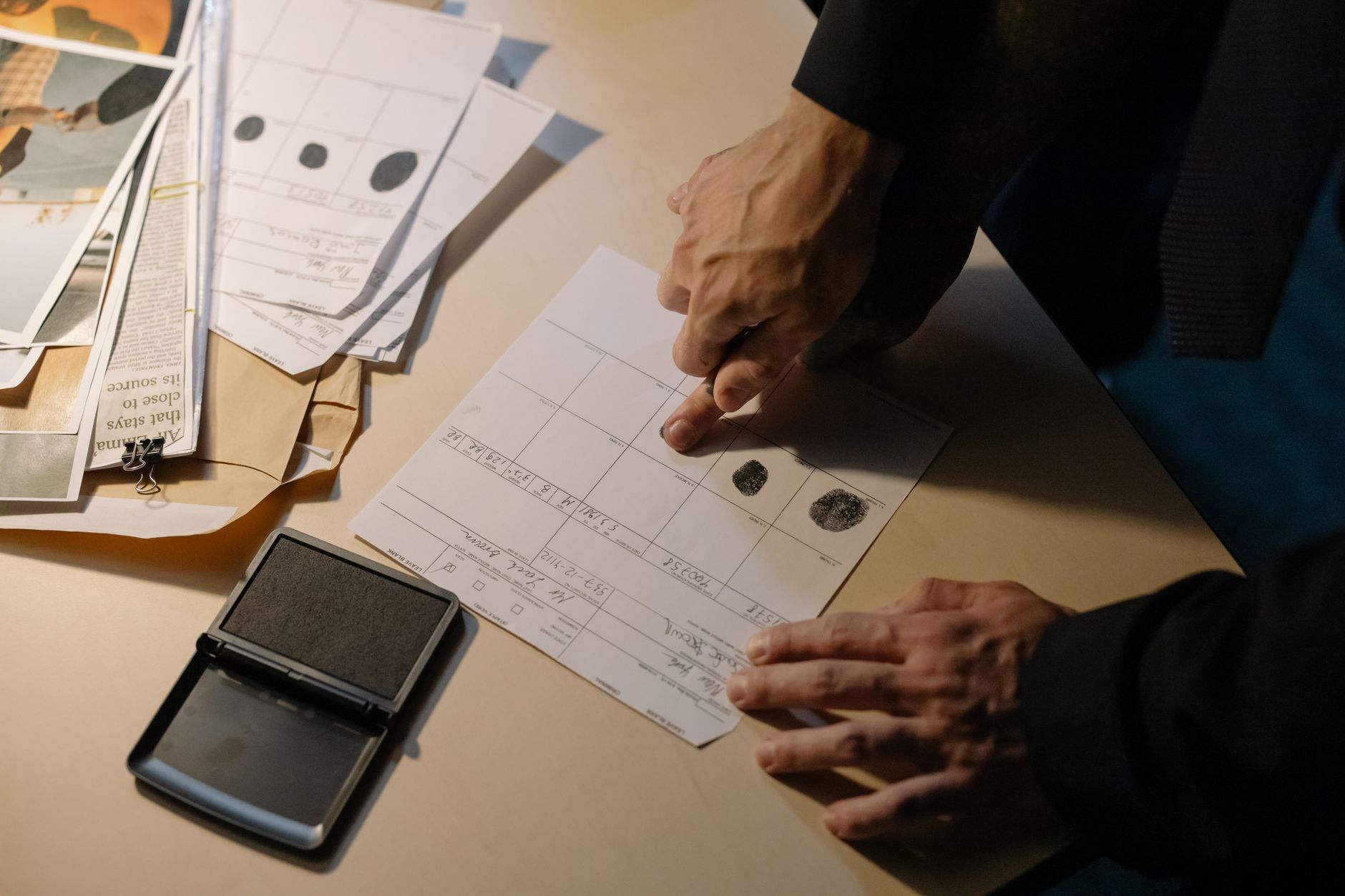
Photo by cottonbro studio / Pexels
Lahore's police investigation system has slowed by almost 50% since the Punjab Anti-Corruption Establishment (ACE) began raiding and arresting officers for taking bribes, according to a Dawn report published October 1, 2026 — a crackdown meant to clean up policing that has instead exposed how dependent the system had become on the very payments it's trying to stamp out.
What the ACE crackdown triggered
Investigating officers (IOs) in Lahore have largely stopped actively pursuing cases since the ACE's raids began, according to police sources cited in the report. The immediate cause, officials say, is straightforward: officers who previously relied on informal payments from both complainants and the accused — often collected under the pretext of covering fuel costs for official vehicles used during investigations — have pulled back for fear of becoming the ACE's next target. With that informal funding gone and no replacement in place, investigations across the city have stalled.
A system that ran on bribes to begin with
The slowdown has surfaced a more uncomfortable finding than the ACE's arrests alone: Lahore's investigation apparatus appears to have been running, in practice, on money that was never supposed to be part of the process. Investigating officers have separately alleged that prosecutors won't act on case files unless paid, with reported amounts ranging from Rs5,000 to Rs50,000 per case to clear objections raised on police reports. Prosecution staff, for their part, have reportedly pointed to a malfunctioning Punjab Information Technology Board case-management system as a convenient excuse for delays — leaving officers, complainants and the accused all describing a process that barely functions without informal payment at nearly every stage.
The underlying resourcing problem
Beneath the bribery allegations sits a plainer budget issue: Lahore's investigation wing operates under what officials describe as a severely inadequate official budget for the cost of investigation — the legitimate expenses (transport, forensics, documentation) that fuel money and prosecutor payments were informally substituting for. Lahore's 84 police stations registered roughly 165,000 cases between January and the report's publication, a caseload officials say was already overwhelming the investigation wing before the ACE crackdown reduced officers' willingness to work it. A senior official said the funding gap has been raised in recent high-command meetings without a resolution so far.
What the police leadership has done so far
Punjab's police leadership has responded by assigning its Internal Accountability Branch (IAB) a more active daily role, with the IAB's deputy inspector general now reviewing complaints against officers from sub-inspector rank upward on a daily basis — a tightening of internal oversight that sits alongside, rather than in place of, the ACE's external enforcement action.
Why this fits a broader pattern
This is not an isolated story about one province's investigation wing. It lands alongside Khyber Pakhtunkhwa's own fight over police command structure — KP's cabinet approved a Police Act in September shifting senior appointment powers from the IGP to the chief minister — and it echoes a theme this site has tracked all year: survey-documented low public trust in policing across Pakistan, and the slow, uneven record of reform pilots meant to rebuild it, as covered in our community policing piece. Both stories point to the same underlying problem from different directions — one about who controls police leadership, this one about whether the rank-and-file investigation process can function on its official budget at all.
What to watch
Whether Lahore's investigation slowdown proves temporary — easing once officers adjust to operating without informal payments — or becomes a durable drop in case-clearance rates will depend largely on whether Punjab's government actually raises the official investigation budget the ACE crackdown has now made impossible to ignore.
Build Better Pakistan's Security Desk tracks policing, public safety and accountability institutions across Pakistan's provinces.
This article is part of our Security coverage — Public safety, policing and community trust.
Frequently Asked Questions
- Why have Lahore police investigations slowed down?
- Investigating officers have largely stopped working since the Punjab Anti-Corruption Establishment (ACE) began raiding and arresting officials for taking bribes. The slowdown — estimated at almost 50% — has exposed how heavily the investigation process relied on informal payments from both complainants and the accused, often collected under the pretext of covering vehicle fuel costs.
- How big is the caseload the slowdown is affecting?
- Lahore's 84 police stations registered roughly 165,000 cases between January and the time of reporting in 2026, which officials say has left the investigation wing structurally overburdened even before the ACE crackdown reduced officers' willingness to actively pursue cases.
Related Reading

US Treasury Sanctions Pakistani Defence Executive Over Iran Weapons Procurement Network
OFAC designated Cavalier Group chairman Waseem Pasha Tajammal and linked firms in Pakistan, Turkey and Saudi Arabia on September 29, accusing him of acting as a third-party intermediary procuring weapons components for Iran's Ministry of Defence.
BBP Foreign Desk · September 30, 2026 · 4 min
Defence Minister Asif Says Pakistan Will Defend Saudi Arabia by 'Whatever Means' Against the Houthis
Days after army chiefs from Pakistan, Saudi Arabia and Turkiye met in Riyadh, Defence Minister Khawaja Asif said Pakistan's full military capability is available to Saudi Arabia under the Makkah pact, and declined to say whether Pakistani forces have already struck Houthi-linked targets.
BBP Security Desk · September 30, 2026 · 4 min

Somali Pirates Killed Three Pakistani Sailors Before Puntland Forces Freed Their Hijacked Tanker
Puntland's Maritime Police Force recovered the MT Honour 25 on September 29, more than five months after Somali pirates seized it with 10 Pakistanis aboard. The pirates killed five crew members, including three Pakistanis, as the rescue operation closed in.
BBP Security Desk · September 30, 2026 · 4 min