Punjab Assembly Panel Backs Bill Raising Christian Marriage Age to 18 for Both Sexes
A Punjab Assembly standing committee has unanimously approved the Christian Marriage Act Bill 2026, replacing a colonial-era law that allowed marriage at 16 for boys and 13 for girls — but church leaders say raising the age alone doesn't fix a law that still needs reform on divorce, custody and inheritance.
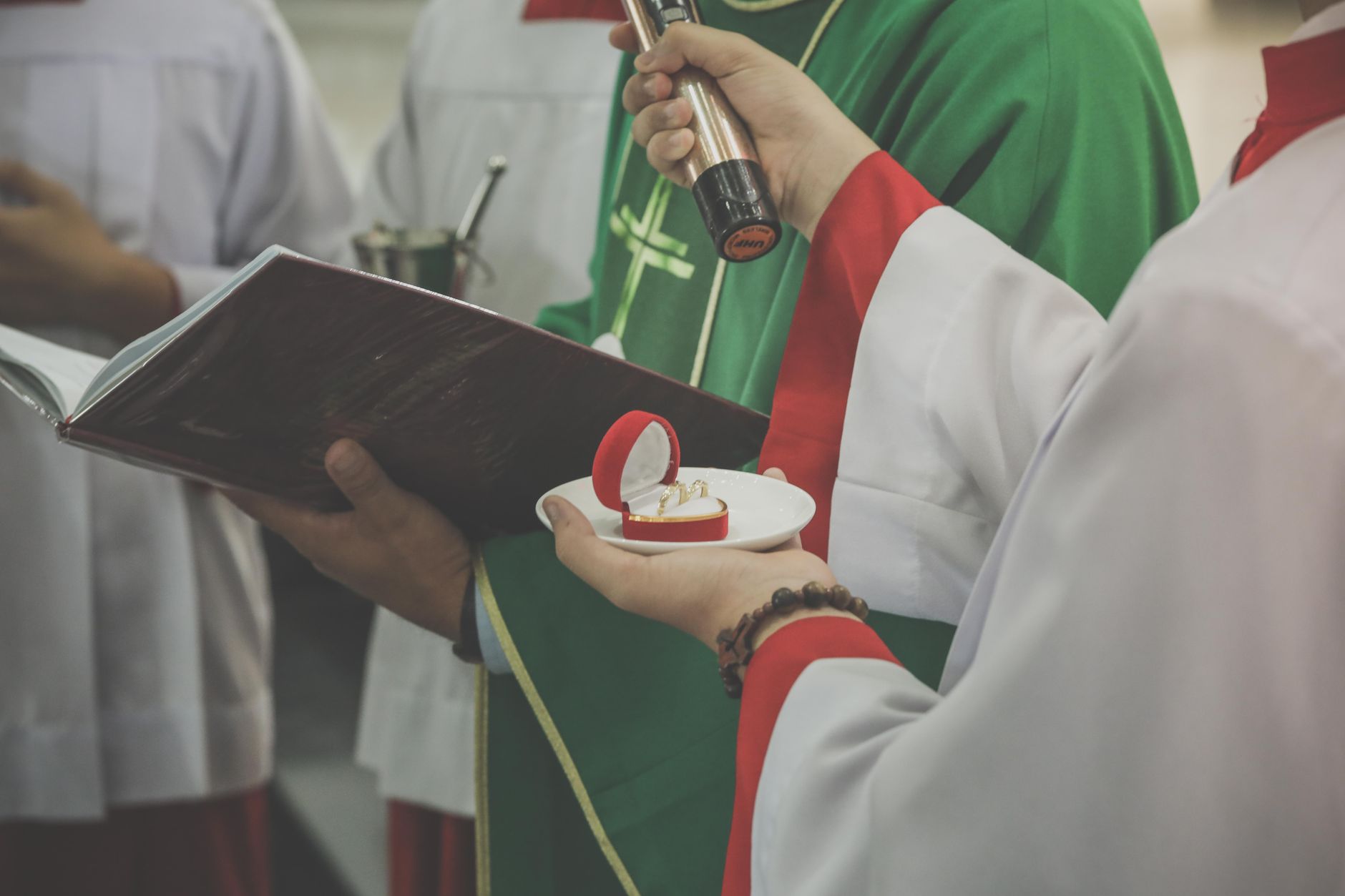
Photo by Huynh Van / Pexels
A Punjab Assembly standing committee has unanimously approved a bill raising the minimum marriage age for Christians in the province to 18 for both men and women, replacing a colonial-era law that had allowed girls to marry at 13.
What the committee approved
The Standing Committee on Human Rights and Minority Affairs approved the Christian Marriage Act Bill 2026 on October 1, 2026, with Committee Chairman Philobus Christopher steering the legislation through. The bill replaces provisions in Pakistan's existing Christian Marriage Act — a law that dates to the colonial period — which had set the marriage age at 16 for boys and 13 for girls. Under the new bill, both the bride and groom must be at least 18, bringing the Christian-specific law in line with the 18-year threshold that already applies more broadly in Pakistani law for other purposes.
The other changes bundled into the bill
The age increase is the headline change, but not the only one. The bill also requires that both parties to a marriage be Christian, tightening a provision that previously allowed a marriage to proceed if only one party belonged to the faith. It mandates that Christian marriages be formally registered with Union Councils and with NADRA, Pakistan's national database and registration authority — closing a documentation gap that has historically made it harder for Christian couples to access the legal protections and services tied to a registered marriage. And it expands who can solemnise a marriage: trained and certified pastors affiliated with government-registered churches across Punjab will be authorised to conduct ceremonies, formalising a role that had been more loosely defined under the old law.
Why churches are welcoming it cautiously rather than celebrating it
Christian religious leaders and legal experts who have reviewed the bill have broadly welcomed the higher marriage age as overdue, but they're not describing it as a finished reform. Their core objection is scope: a law this old also governs divorce, annulment, child custody and inheritance for Christian couples, and critics argue that updating only the marriage age leaves those other provisions as outdated as they were before. There's also a process complaint — that the drafting moved ahead without the level of direct consultation with Church leadership that a law this central to Christian family life would normally warrant.
How this fits into Pakistan's wider child marriage picture
The bill arrives weeks after Human Rights Focus Pakistan told the UN Human Rights Council's 63rd session that roughly 19 million women and girls in Pakistan were married before turning 18 — and, pointedly, that 54% of those marriages happened in provinces that already had a legal minimum age of 18 on the books at the time, as we covered in detail. That statistic is the backdrop against which the Christian Marriage Act Bill has to be read: raising the legal floor from 13 to 18 closes an outlier in Punjab's legal code, but HRFP's own evidence suggests a higher age on paper has historically done little to stop underage marriage without enforcement behind it. The committee's approval changes what the law says. Whether it changes what happens in Adenzai-style rural settlements and small-town Christian communities across Punjab is a separate question the bill doesn't answer on its own.
What comes next
Committee approval moves the bill to the full Punjab Assembly, where it still needs to pass before it takes effect. Given the committee's unanimous vote, passage looks likely, but the timeline for a floor vote hasn't been set. Whether that vote also picks up the broader divorce, custody and inheritance reforms that church leaders are asking for, or leaves them for a later bill, will determine how much of the criticism attached to this version carries into Punjab's actual Christian Marriage Act when it's finally assembly-approved.
Build Better Pakistan's Rights Desk tracks minority rights and family law reform across Pakistan's provinces.
This article is part of our Rights & Justice coverage — Access to justice, courts and civil rights.
Frequently Asked Questions
- What does the Christian Marriage Act Bill 2026 actually change?
- It sets the minimum marriage age at 18 for both men and women, replacing a colonial-era provision that allowed marriage at 16 for boys and 13 for girls. It also requires both parties to be Christian, where the old law permitted marriage if only one party was, mandates registration of Christian marriages with Union Councils and NADRA, and lets trained, certified pastors at government-registered churches solemnise marriages.
- Has the bill become law, and how have churches responded?
- As of October 1, 2026, the Punjab Assembly's Standing Committee on Human Rights and Minority Affairs has unanimously approved the bill, which still needs to pass the full Assembly. Christian religious leaders and legal experts have welcomed the age increase but argue it isn't sufficient on its own, calling for the same bill or a follow-up to also reform divorce, annulment, custody and inheritance provisions, and for the drafting process to have involved more direct consultation with the Church.
Related Reading

Afghan Returns From Pakistan Pass 2.7 Million Since 2023, UN Agencies Report
A joint UNHCR-IOM flash update puts cumulative Afghan returns from Pakistan at 2,719,148 since September 2023, with 705,400 in 2026 alone, as weekly deportations continue alongside voluntary departures.
BBP Rights Desk · October 1, 2026 · 4 min

Quetta Lawyer Jalila Haider Wins 2026 Right Livelihood Award
Jalila Haider, the first female lawyer from Pakistan's Hazara community, was named a 2026 Right Livelihood Award laureate on September 30 for her pro bono legal work defending persecuted and marginalised communities in Balochistan.
BBP Rights Desk · September 30, 2026 · 3 min
Rights Group Tells UN Council Pakistan's Child Marriage Laws Are Only as Good as Their Enforcement
Human Rights Focus Pakistan told the UN Human Rights Council's 63rd session that roughly 19 million women and girls in Pakistan were married before 18, and that 54% of those marriages happened in provinces that already had a legal minimum age of 18 at the time — evidence, HRFP says, that new laws mean little without prosecutions behind them.
BBP Rights Desk · September 28, 2026 · 4 min