Unidentified Fever Kills Seven, Six of Them Children, in Lower Dir's Adenzai Villages
Seven people have died over two weeks in the mountain villages of Adenzai tehsil, Lower Dir, after a febrile illness with breathing complications spread through Khanpur, Asbanr and nearby settlements — officials say the deaths may not share one cause, and a joint health-livestock team is now investigating a suspected zoonotic source.
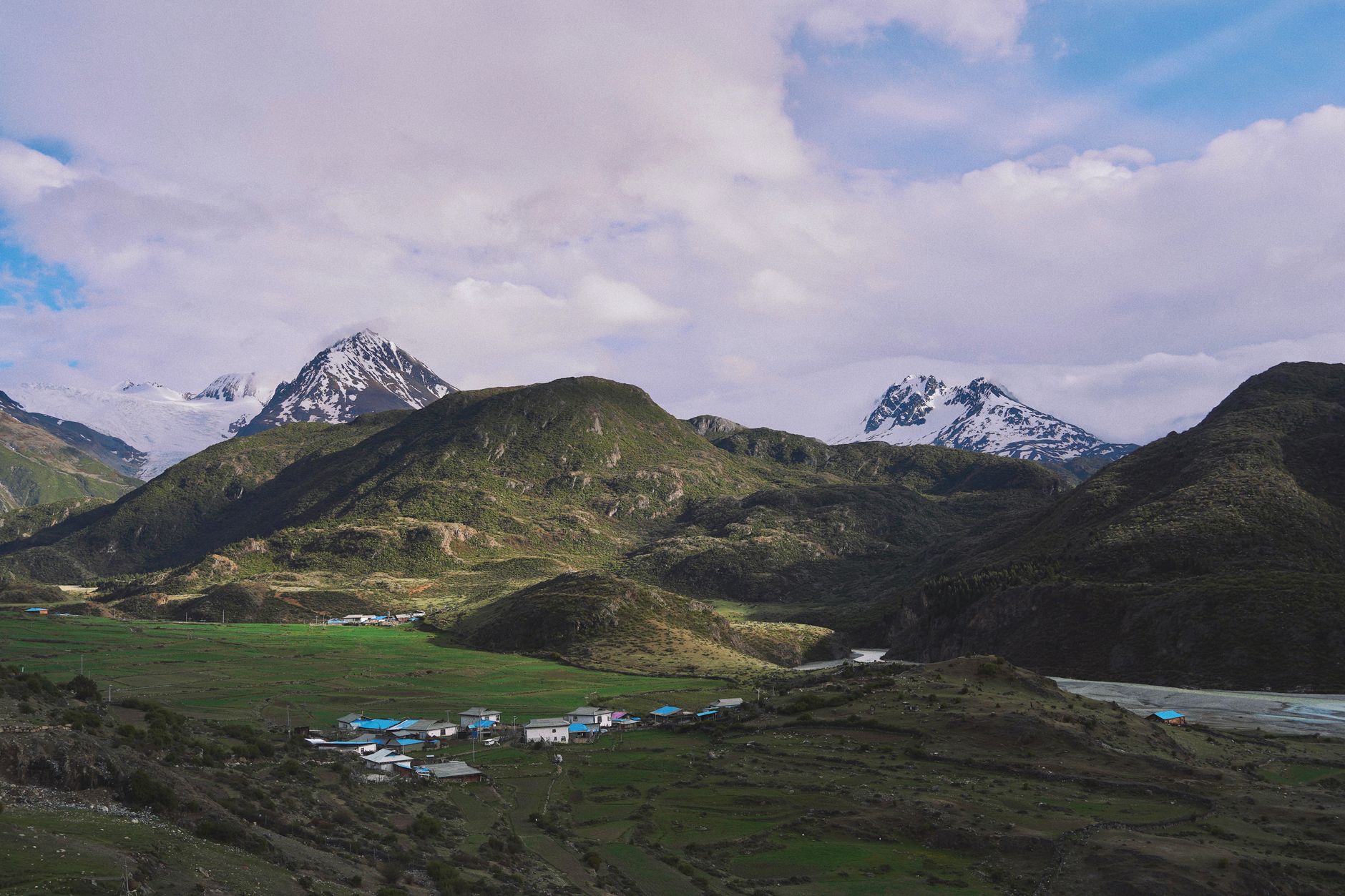
Photo by Tina Lu / Pexels
Seven people, six of them children, have died over the past two weeks in the mountain villages of Adenzai tehsil in Khyber Pakhtunkhwa's Lower Dir district, after residents began reporting high fever, breathing difficulty and other complications that have so far resisted a single explanation.
Where it's happening
Residents of Khanpur and Asbanr, along with nearby villages including Baramikay, Bochakay, Shadam and Shorshing, told local reporters that a number of people in the area had developed high fever accompanied by breathing difficulties and other complications over roughly the past two weeks. Several of the sickest patients have since been shifted out of the area to hospitals in Chakdara and Swat for treatment, a sign that the local health infrastructure in these mountainous settlements isn't equipped to manage the caseload on its own.
Officials say it may not be one outbreak
District Health Officer Dr Niaz Mohammad Afridi told reporters that preliminary findings do not support treating all seven deaths as a single outbreak with one cause. Two children who died in Baramikay had been born prematurely. One of the women who died had been suffering from tuberculosis. Two young men from Bochakay are being treated for meningitis in Peshawar rather than counted among the fever deaths directly. That breakdown matters for how the response gets targeted: a cluster of unrelated pre-existing conditions calls for a different kind of intervention than a single transmissible pathogen moving through a handful of villages.
The zoonotic lead
Separately, the DHO's office said it had received reports of an acute febrile illness from Bochakay village specifically that is suspected to be zoonotic — a disease transmitted from animals to humans. Deputy Commissioner Basharat Ahmad has directed the formation of a joint investigation team drawing on the health, livestock and public health departments to look into that possibility. Khyber Pakhtunkhwa has a dedicated legal framework for exactly this kind of situation: the Khyber Pakhtunkhwa Zoonotic Disease Control Act, passed in 2024, gives provincial authorities the power to regulate livestock movement and impose control measures once a zoonotic source is confirmed — though that framework only becomes useful once investigators actually identify what's circulating.
A province with a crowded disease calendar this year
Lower Dir's outbreak lands in a year where Khyber Pakhtunkhwa's health system has already been stretched by other outbreaks. Bannu recorded its fifth polio case of 2026 last month, a reminder of how much of the province's rural health capacity is tied up in security-constrained vaccination and surveillance work. Elsewhere in the country, Sindh's Kashmore district saw its hospitals overwhelmed by a malaria surge blamed partly on medicine shortages — a pattern of district-level health systems absorbing shocks that provincial aggregate statistics don't always capture. A fever cluster in a cluster of mountain villages far from Peshawar's tertiary hospitals fits the same shape: the surveillance and lab-testing capacity needed to tell a tuberculosis death from a meningitis case from a genuine new outbreak is thinnest exactly where, this time, it's being tested.
What happens next
The joint team's job now is to establish whether the Bochakay cases and the wider Adenzai fever reports share a common source, and if so, what it is — information that determines whether this becomes a livestock-quarantine response under the 2024 Act, a referral-and-treatment problem for TB and meningitis cases already identified, or something that needs a different public health answer altogether. Until lab results or a clearer case definition come back, residents in Khanpur, Asbanr and the surrounding villages are left watching for the same symptoms that have already killed six of their children.
Build Better Pakistan's Health Desk covers public health system gaps and disease outbreaks across Pakistan and will update this piece as investigators identify a cause.
This article is part of our Health coverage — Public health systems, maternal care and health equity.
Frequently Asked Questions
- How many people have died in the Lower Dir fever outbreak, and where?
- Seven people, including six children and one woman, have died over the past two weeks in mountainous villages of Adenzai tehsil in Lower Dir district, Khyber Pakhtunkhwa — residents named Khanpur, Asbanr, Baramikay, Bochakay, Shadam and Shorshing as the affected settlements.
- Do officials know what's causing the deaths?
- Not yet, and not necessarily a single cause. District Health Officer Dr Niaz Mohammad Afridi said preliminary findings do not suggest all the deaths share one source — two children who died in Baramikay had been born prematurely, one woman had tuberculosis, and two men from Bochakay were being treated for meningitis in Peshawar. Separately, reports of acute febrile illness from Bochakay are suspected to be zoonotic, and a joint health, livestock and public health team has been formed to investigate.
Related Reading

Rawalpindi Emerges as Punjab's Dengue Hotspot as September Case Count Hits 57
Punjab recorded 57 confirmed dengue cases in September 2026, with Rawalpindi accounting for 22 of them — well ahead of Lahore's 14. The provincial health department says hospitals are stocked and has set up a dedicated 1033 helpline.
BBP Health Desk · September 30, 2026 · 3 min

Pakistan's Fifth Polio Case of 2026 Confirmed in Bannu, Where Security Keeps Blocking Vaccination Teams
A 17-month-old girl in Bannu district has become Pakistan's fifth confirmed wild poliovirus case of 2026, with four of the five cases traced to a single KP division where militant threats have repeatedly halted vaccination campaigns.
BBP Health Desk · September 30, 2026 · 3 min

Sindh's Mpox Count Climbs to 43 as Karachi Keeps Adding Cases Through September
Sindh's 2026 mpox tally has risen to 43 confirmed cases, with Karachi alone accounting for 15 after two fresh diagnoses in a single week — a slow-burning outbreak that has now run for most of the year without the emergency status that accompanied mpox in 2024.
BBP Health Desk · September 29, 2026 · 4 min