Pakistan and EU Sign €65 Million in New Agreements as GSP+ Renewal Talks Continue
PM Shehbaz Sharif met EU leaders Ursula von der Leyen and António Costa on the sidelines of UNGA on September 24, securing €65 million in fresh financing as Islamabad pushes to keep the GSP+ trade status that shields 89% of its EU-bound textile exports from tariffs.
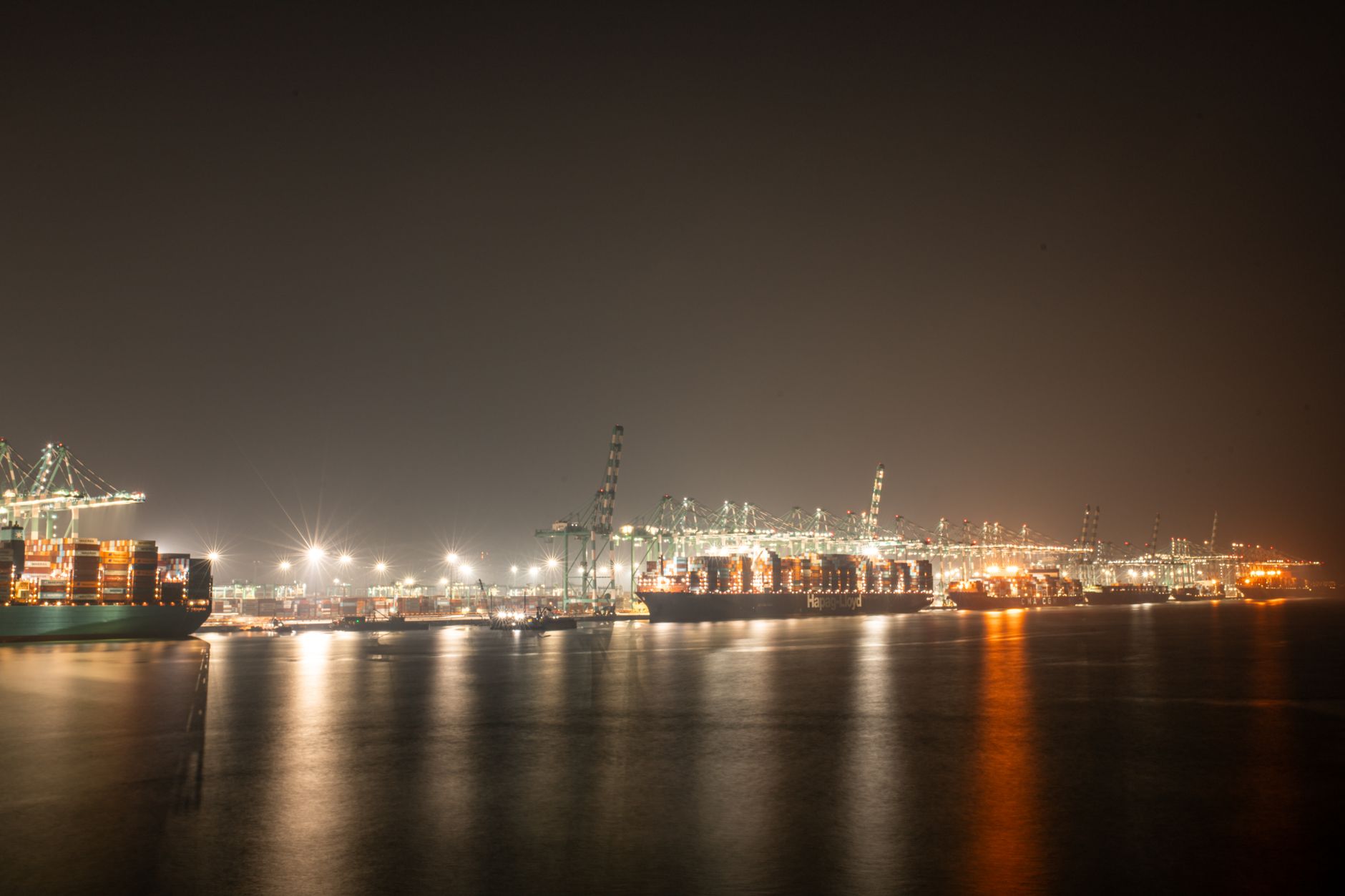
Photo by Oleksiy Yeshtokyn / Pexels
Prime Minister Shehbaz Sharif met European Commission President Ursula von der Leyen and European Council President António Costa on the sidelines of the UN General Assembly in New York on September 24, 2026, coming away with €65 million (roughly $75 million) in new financing agreements and a reaffirmed push to keep Pakistan's preferential trade access to the EU beyond 2027.
What was actually signed
The €65 million package covers three areas: Global Gateway infrastructure investments, support for strengthening the rule of law and Pakistan's business environment, and projects aimed at energy and environmental resilience. Von der Leyen described the meeting as "very good" and said the EU "values its partnership with Pakistan." She also thanked Shehbaz for Pakistan's mediation efforts in the US-Iran conflict, calling Islamabad's role "important" in support of de-escalation and dialogue — a conflict Build Better Pakistan has covered in detail for its economic spillover into Pakistan.
Why GSP+ was the real subject of the meeting
Beneath the financing headline, the substantive issue on the table was the Generalised Scheme of Preferences Plus (GSP+), the trade facility that lets Pakistani exporters ship goods into the EU at zero or reduced tariffs in exchange for ratifying and implementing 27 international conventions on human rights, labour standards, environmental protection and good governance. Shehbaz stressed GSP+'s role in Pakistan's economic growth directly to EU leadership, and the two sides reviewed the "full spectrum" of Pakistan-EU relations, expressing satisfaction at growing momentum in high-level engagement.
The stakes are concentrated and specific. The EU was Pakistan's largest textile and apparel export destination in FY2025-26, buying $7.103 billion worth of goods. Roughly 89% of Pakistan's EU-bound textile and apparel export lines currently move in duty-free under GSP+ preferential terms. Textiles and apparel account for about 60% of Pakistan's total exports, a sector we've covered separately as it crossed $18 billion for the fiscal year. Strip away GSP+ preference and those same goods face tariffs of roughly 9-12% — enough to erase much of the price advantage that keeps Pakistani exporters competitive against regional rivals in EU markets.
The renewal clock Pakistan is racing
GSP+ isn't disappearing overnight, but its terms are changing. Under the EU's overhauled GSP Regulation, which takes effect January 1, 2027, current GSP+ members — Pakistan among them — keep their existing benefits through a grace period running to December 31, 2028. To remain in the scheme from January 2029 onward, Pakistan has to lodge a fresh application, and Brussels has been explicit that continued progress on human rights, labour standards and environmental reform will weigh on that decision. Pakistan's textile industry has already begun working through the renewal process with EU counterparts.
Reading the diplomacy alongside the economics
The September 24 meeting fits a pattern this UNGA season: Shehbaz has used the sidelines in New York to shore up relationships with multiple blocs at once, from his engagement with IMF Managing Director Kristalina Georgieva over the ongoing loan programme to his broader appearance at this year's General Assembly, covered here. The EU meeting adds a distinct thread to that diplomacy — not emergency financing, but the trade-preference relationship that underwrites Pakistan's single largest export sector, at a moment when the terms of that relationship are set to be renegotiated from scratch within three years.
Build Better Pakistan's Economy Desk tracks Pakistan's trade relationships and export competitiveness, including the GSP+ renewal process as it develops.
This article is part of our Economy coverage — Inflation, growth, trade and the everyday cost of living across Pakistan.
Frequently Asked Questions
- What did Pakistan and the EU agree to on September 24, 2026?
- Meeting on the sidelines of the UN General Assembly, Prime Minister Shehbaz Sharif and European Commission President Ursula von der Leyen signed €65 million (roughly $75 million) in financing agreements covering Global Gateway investments, rule-of-law and business-environment support, and energy and environmental resilience projects.
- Why does GSP+ matter so much to Pakistan's economy?
- The EU is Pakistan's largest textile and apparel export market, buying $7.103 billion worth in FY2025-26. About 89% of those EU-bound textile and apparel export lines currently enter duty-free under GSP+; losing that status would expose them to tariffs of roughly 9-12%, on an industry that makes up about 60% of Pakistan's total exports.
Related Reading

Aurangzeb Opens Islamabad Round of IMF Talks, With $1.2 Billion Riding on It
Finance Minister Muhammad Aurangzeb held a virtual kick-off meeting with IMF mission chief Iva Petrova on September 30 to formally open the policy-level round of Pakistan's fourth EFF and third RSF reviews, with roughly $1.2 billion in combined financing on the table if the talks succeed.
BBP Economy Desk · September 30, 2026 · 4 min
Shehbaz Becomes First Pakistani PM to Open London Stock Exchange Trading
Shehbaz Sharif opened a trading session at the London Stock Exchange on September 29 and met executives from JPMorgan, Barclays, Citi, BlackRock and Rothschild & Co, pitching Pakistan as a destination for foreign capital weeks after its $3 billion Eurobond drew almost $6 billion in orders.
BBP Economy Desk · September 29, 2026 · 4 min
10,000 Civil Servants Must Declare Assets by October 30 Under New IMF Benchmark
As the IMF mission opened fourth EFF and third RSF review talks on September 29, Islamabad confirmed that roughly 10,000 federal civil servants must digitally file asset declarations by October 30, with selected details made public by December 31 — but not the full picture.
BBP Economy Desk · September 29, 2026 · 4 min