Iran Tells Shehbaz the Islamabad MoU Is Still Alive — a Rare Opening in the US-Iran War
In a September 24 UNGA sideline meeting, Iranian President Masoud Pezeshkian told PM Shehbaz Sharif that the Islamabad MoU remains fully acceptable to Tehran and that Iran is ready to take it forward — reviving a peace framework that collapsed months ago.

Photo by Bia Limova / Pexels
Iranian President Masoud Pezeshkian told Prime Minister Shehbaz Sharif on September 24, 2026, that the Islamabad Memorandum of Understanding remains "fully acceptable" to Iran and that Tehran is "ready to take it forward" — a notable signal of continuity for a peace framework that briefly ended the US-Iran war before it collapsed back into fighting by August.
What the two leaders discussed
The meeting took place on the sidelines of the UN General Assembly's 81st session in New York, where both leaders are attending this week's General Debate. According to Shehbaz's own account of the "detailed" discussion, Pezeshkian reaffirmed Iran's commitment to the MoU's terms and its willingness to move toward implementation. Shehbaz, in turn, stressed the importance of building on and implementing the agreement, and reaffirmed Pakistan's readiness to keep playing what he described as a sincere and constructive role in support of regional peace and stability.
What the Islamabad MoU actually says
The Islamabad Memorandum is a 14-point agreement between the United States and Iran, digitally signed on June 14, 2026, and formally signed by President Trump and Pezeshkian on June 17. Pakistan brokered the deal, with Qatar, Saudi Arabia, Turkey and Egypt also facilitating the negotiations that produced it — a diplomatic role Islamabad has leaned on since. Its central commitments were an immediate and permanent cessation of military operations and Iran's reopening of the Strait of Hormuz to commercial shipping. Both provisions broke down within weeks: a ceasefire agreed in April had already failed once before the MoU, and by August the MoU itself had formally expired after Iran resumed attacking commercial vessels in the strait, a chokepoint whose disruption has been one of the more consistent drivers of Pakistani fuel-price volatility this year.
Why Pezeshkian's statement matters now
Iran restating that the MoU's terms are still acceptable does not, on its own, restart the ceasefire — the two sides remain locked in the war-of-attrition pattern that has defined the conflict since August, trading limited strikes while the US runs an intensified sanctions campaign. But it is a rare public signal from Tehran that the diplomatic off-ramp Pakistan helped negotiate hasn't been discarded, at a moment when Shehbaz's own UNGA address this week was expected to press for exactly that kind of de-escalation. Whether Washington reciprocates the sentiment is a separate question the meeting did not resolve.
The stakes for Pakistan specifically
Pakistan's interest in reviving the MoU goes beyond diplomatic credit for having brokered it. Continued Strait of Hormuz disruption feeds directly into international oil prices, which Pakistan now passes through to pump prices on a daily basis rather than the fortnightly cycle it used before the war — a mechanism explained in detail in our fuel-pricing explainer. A durable de-escalation would remove one of the more persistent sources of imported inflation Pakistani households have faced this year, alongside whatever diplomatic standing Islamabad gains from having kept the channel open.
What happens next
Neither leader's public remarks specified a concrete next step or timeline for implementation. Formal Pakistan-IMF review talks are already underway this week in a separate track, and Shehbaz's own UNGA address was scheduled for later on September 25 — both venues where further comment on the Iran file could surface.
Build Better Pakistan's Foreign Desk tracks how the US-Iran conflict and Pakistan's diplomatic role in it are evolving, and will update this piece as the two sides respond.
This article is part of our Politics & Governance coverage — Institutions, local government and how power actually gets exercised.
Frequently Asked Questions
- What is the Islamabad MoU, and what happened to it?
- The Islamabad Memorandum is a 14-point US-Iran agreement to end the 2026 Iran war, digitally signed by both sides on June 14-17, 2026, with Pakistan brokering the deal alongside Qatar, Saudi Arabia, Turkey and Egypt. It committed both countries to an immediate cessation of military operations and Iran to reopening the Strait of Hormuz to commercial traffic, but the broader settlement it was meant to anchor collapsed by August, and fighting resumed.
- What did Iran's president tell PM Shehbaz on September 24?
- Meeting on the sidelines of the UN General Assembly's 81st session in New York, President Masoud Pezeshkian told PM Shehbaz Sharif that the Islamabad MoU remains 'fully acceptable' to Iran and that Tehran is 'ready to take it forward,' according to Shehbaz's own account of the meeting.
Related Reading
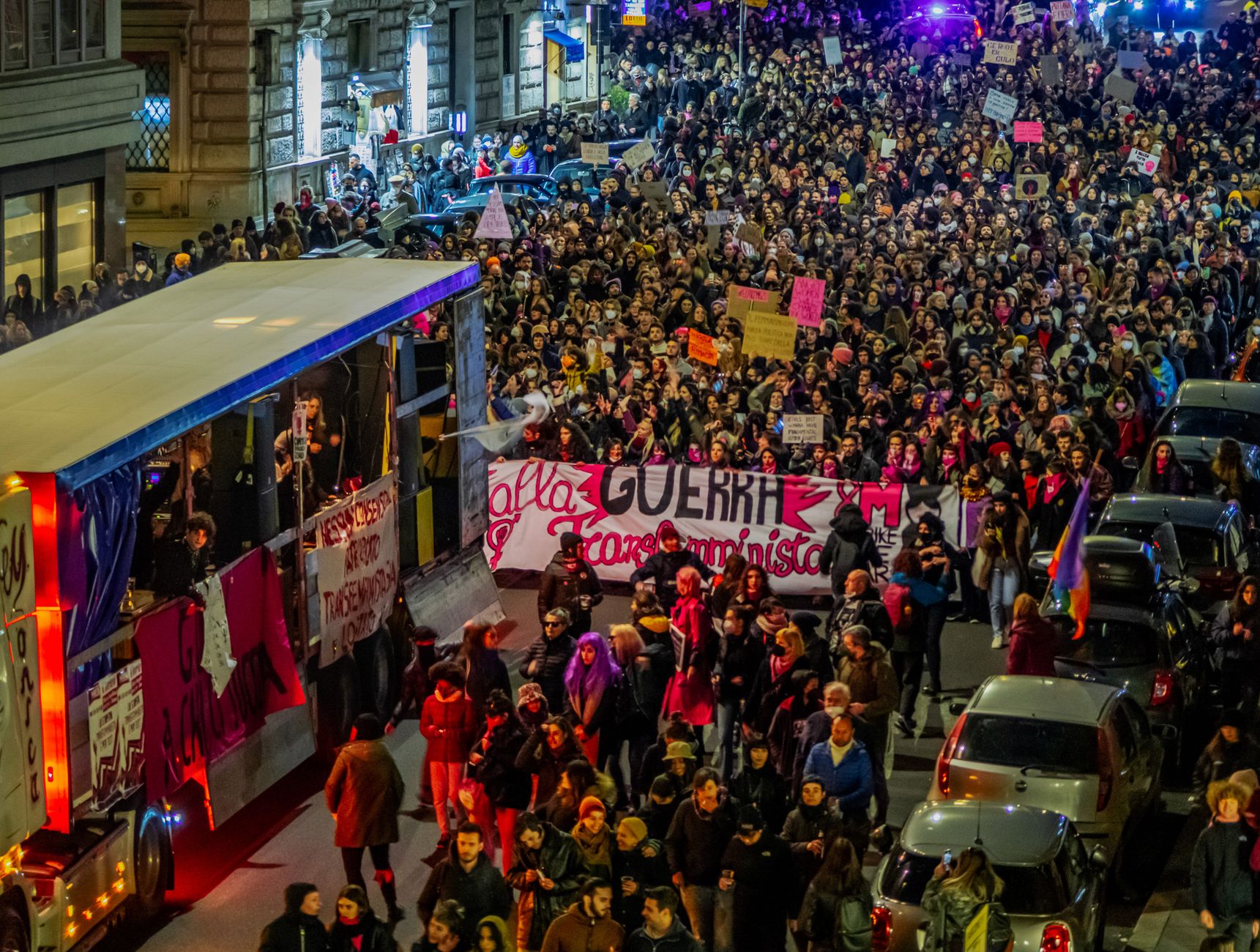
PTI Plans Prolonged Swabi Stay for Oct 4 March as Its Own Leader Warns of Emergency Rule
PTI has settled on Peshawar-to-Swabi as its October 4 route, with plans to camp for several days around founder Imran Khan's October 5 birthday. But KP leader Shaukat Yousafzai is publicly urging a further postponement, warning the government could use an Afghanistan-linked pretext to impose emergency rule.
BBP Politics Desk · September 29, 2026 · 3 min
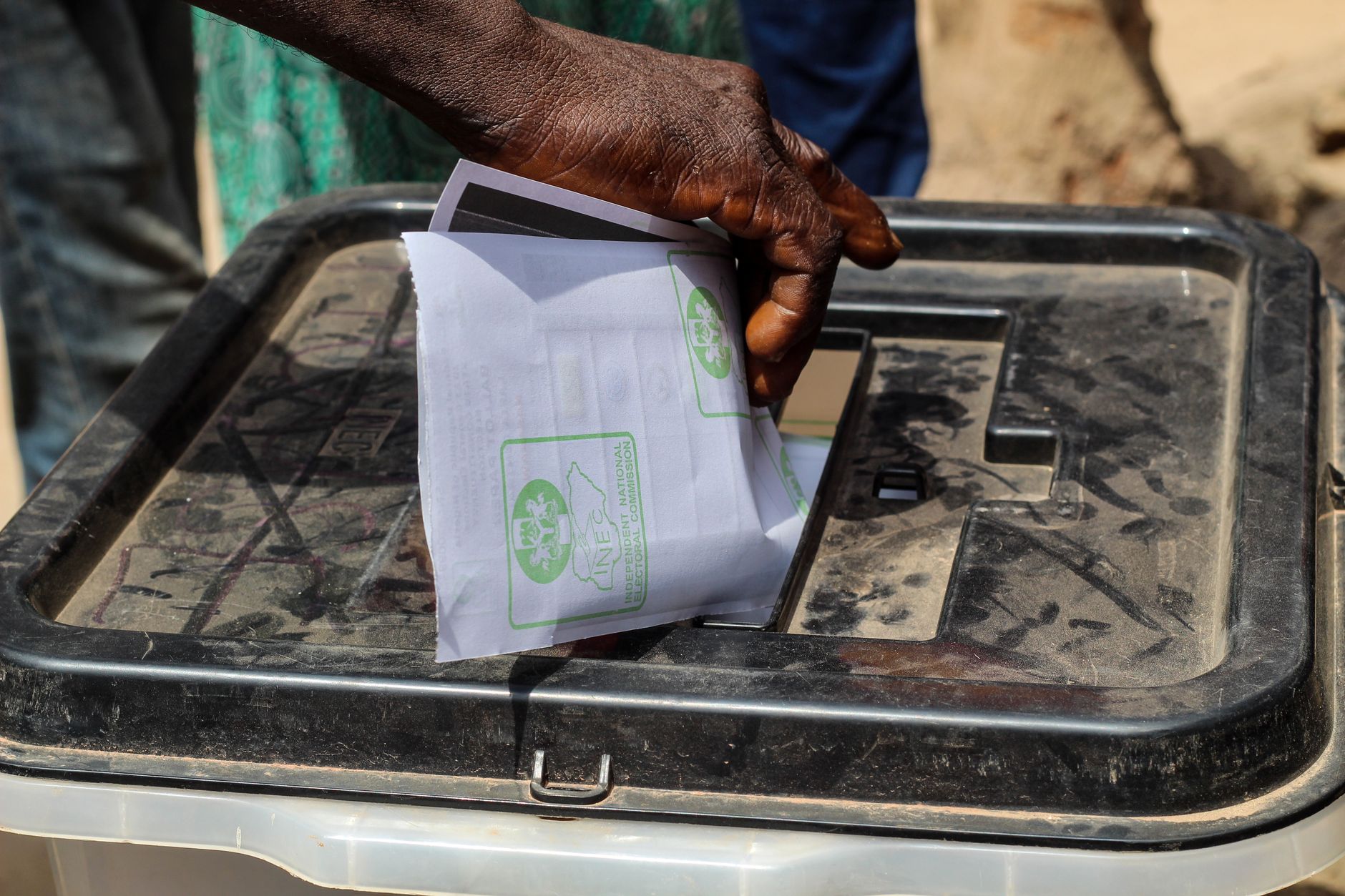
PML-N Keeps Bahawalpur Seat as Channar Wins NA-168 By-Election, PTI and JI Sit Out
Malik Munir Iqbal Channar won the NA-168 Bahawalpur-V by-election on September 27 with 79,306 votes, a 36,683-vote margin over independent runner-up Wali Dad Cheema, after PPP withdrew in his favour and PTI and Jamaat-i-Islami boycotted the contest.
BBP Politics Desk · September 28, 2026 · 4 min
KP CM Sohail Afridi Says He's Ready to Leave, as PTI's Own MPAs Move Against Him
PTI leader Sher Afzal Marwat says 35 KP MPAs are ready to back a no-confidence motion against Chief Minister Sohail Afridi, and that Imran Khan relayed a message through his lawyer that Afridi should step down. Afridi says he'd rather leave the CM House than compromise on ideology, while Governor Faisal Karim Kundi says no resignation has reached him through official channels.
BBP Politics Desk · September 28, 2026 · 4 min