Punjab Seeks Mobile and Internet Shutdown Ahead of PTI's March
Punjab's Home Department has asked the federal government to suspend mobile and internet service and jam 2G-4G signals in named neighbourhoods of Rawalpindi and Attock on September 26-27, reviving a protest-suppression tool used in Pakistan's last three major PTI mobilizations.
Photo by Castorly Stock / Pexels
Punjab's Home Department has formally asked the federal government to suspend mobile phone and internet service in specific neighbourhoods of Rawalpindi and Attock on September 26 and 27, the eve and day of Pakistan Tehreek-e-Insaf's planned march on Islamabad — a step that goes beyond the highway blockades and paramilitary deployment the province had already put in place this week.
What's actually being requested
According to the request sent to the Ministry of Interior, Punjab wants mobile and internet service suspended, and 2G, 3G and 4G signals jammed at selected points, in named parts of Rawalpindi — including Bahria Town, Bahtar, Taxila, Wah Sadar and Chakri — along with specific routes and bridges across Attock district. The restrictions would run through the two days when PTI supporters are expected to converge on the capital. Unlike a blanket nationwide shutdown, this request targets specific towns and transit corridors that sit along the routes protesters would likely use to reach Islamabad from the west and northwest.
Part of a broader security build-out this week
The request follows Punjab's province-wide Section 144 order and its formal call for Pakistan Rangers deployment in four districts, announced days earlier, and comes on top of the shipping-container highway blockades and mass security deployment the federal government had already ordered after PTI called for the march to demand Imran Khan's release. Police sources have said Islamabad has requested roughly 16,000 personnel from Punjab Police and 2,000 from Sindh Police to reinforce the capital's own force for the march, on top of the Rangers and highway measures already reported.
Not the first time this tool has been used
Network suspensions during PTI mobilizations have become close to a pattern rather than an exception. Pakistan shut down mobile broadband nationally during the violent protests that followed Imran Khan's arrest in May 2023, an outage that affected an estimated 125 million people. Mobile internet was suspended again on election day in February 2024, and access to X (formerly Twitter) was blocked for over a year, from February 2024 until May 2025. Digital rights researchers who track these episodes have consistently pointed to one legal provision behind nearly all of them.
The legal basis is a 1996 telecom law
Requests of this kind are typically made under Section 54 of the Pakistan Telecommunication (Re-organization) Act 1996, which empowers the federal government to suspend telecommunications services in the interest of national security or in the event of a public emergency. Digital rights groups, including Freedom House in its annual assessments of Pakistan's internet freedom, have argued the provision was drafted for genuine emergencies but has instead become a routine tool deployed ahead of scheduled political events — protests, elections and religious occasions — rather than in response to an unforeseen crisis.
What's at stake beyond the march itself
Targeted shutdowns carry costs that extend past the protesters they're aimed at disrupting. Residents in the named areas would lose the ability to make mobile calls, use ride-hailing and delivery apps, process digital payments, or reach emergency services through normal channels for the duration of the suspension — a burden that falls on everyone living or working in Bahria Town, Taxila or Wah Sadar regardless of whether they have any connection to the march. Businesses reliant on card payments or online orders absorb the same disruption. Whether the government's public-safety rationale — intelligence on possible attacks that also underpins this week's Section 144 order — justifies suspending an entire district's connectivity for two days is precisely the trade-off digital rights advocates say Section 54 was never meant to be used to make routine.
Build Better Pakistan's Justice Desk tracks digital rights and civil-liberties developments as part of our ongoing coverage.
This article is part of our Rights & Justice coverage — Access to justice, courts and civil rights.
Frequently Asked Questions
- Which areas has Punjab asked to have mobile and internet service suspended in?
- Punjab's Home Department has written to the federal Ministry of Interior seeking suspension of mobile and internet service, and 2G/3G/4G signal jamming at selected points, in Rawalpindi (including Bahria Town, Bahtar, Taxila, Wah Sadar and Chakri) and in named routes and bridges across Attock district, running September 26-27, 2026 — the day before and the day of PTI's planned Islamabad march.
- What legal authority does Pakistan use to shut down mobile networks during protests?
- Requests like this rely on Section 54 of the Pakistan Telecommunication (Re-organization) Act 1996, which allows the federal government to suspend telecom services citing public emergency or public safety. The provision was written for emergencies but has been invoked repeatedly for scheduled political events, including the May 2023 PTI protests and the February 2024 general election.
Related Reading
Rights Group Tells UN Council Pakistan's Child Marriage Laws Are Only as Good as Their Enforcement
Human Rights Focus Pakistan told the UN Human Rights Council's 63rd session that roughly 19 million women and girls in Pakistan were married before 18, and that 54% of those marriages happened in provinces that already had a legal minimum age of 18 at the time — evidence, HRFP says, that new laws mean little without prosecutions behind them.
BBP Rights Desk · September 28, 2026 · 4 min
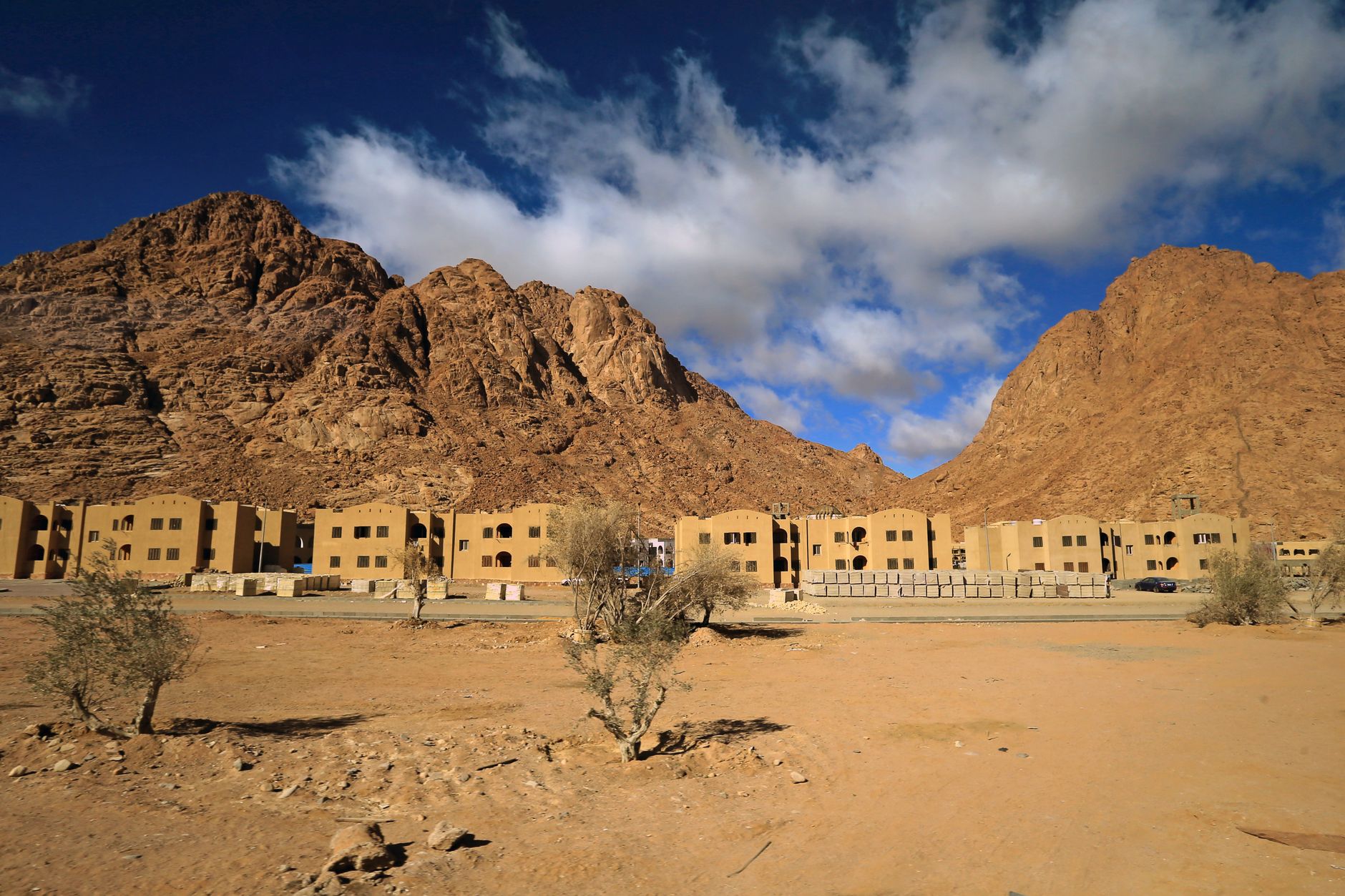
Balochistan CM Confirms 1,000 Residents to Be Relocated Ahead of Shor Parod Operation
Sarfraz Bugti told the Balochistan Assembly that around 1,000 people from the mountainous Shor Parod area of Mastung district will be temporarily relocated for a security operation, as Kalat's administration set a September 28 deadline to vacate and residents elsewhere reported similar orders.
BBP Balochistan Desk · September 28, 2026 · 3 min

Federal Constitutional Court Upholds Ban on Ahmadi Community's Core Religious Text
Pakistan's Federal Constitutional Court dismissed all petitions against a 2014 Punjab government ban on the 23-volume Rohani Khazayeen, the Ahmadiyya community's foundational religious writings, prompting UN and international rights groups to renew concern over the community's treatment.
BBP Rights Desk · September 28, 2026 · 4 min