Shehbaz Tells UN: Diverting Pakistan's Share of the Indus Waters "Will Be Treated as an Act of War"
In his September 25 address to the UN General Assembly, PM Shehbaz Sharif called Kashmir Pakistan's "jugular vein" and warned that any move by India to stop or divert Pakistan's river waters would be treated as an act of war.
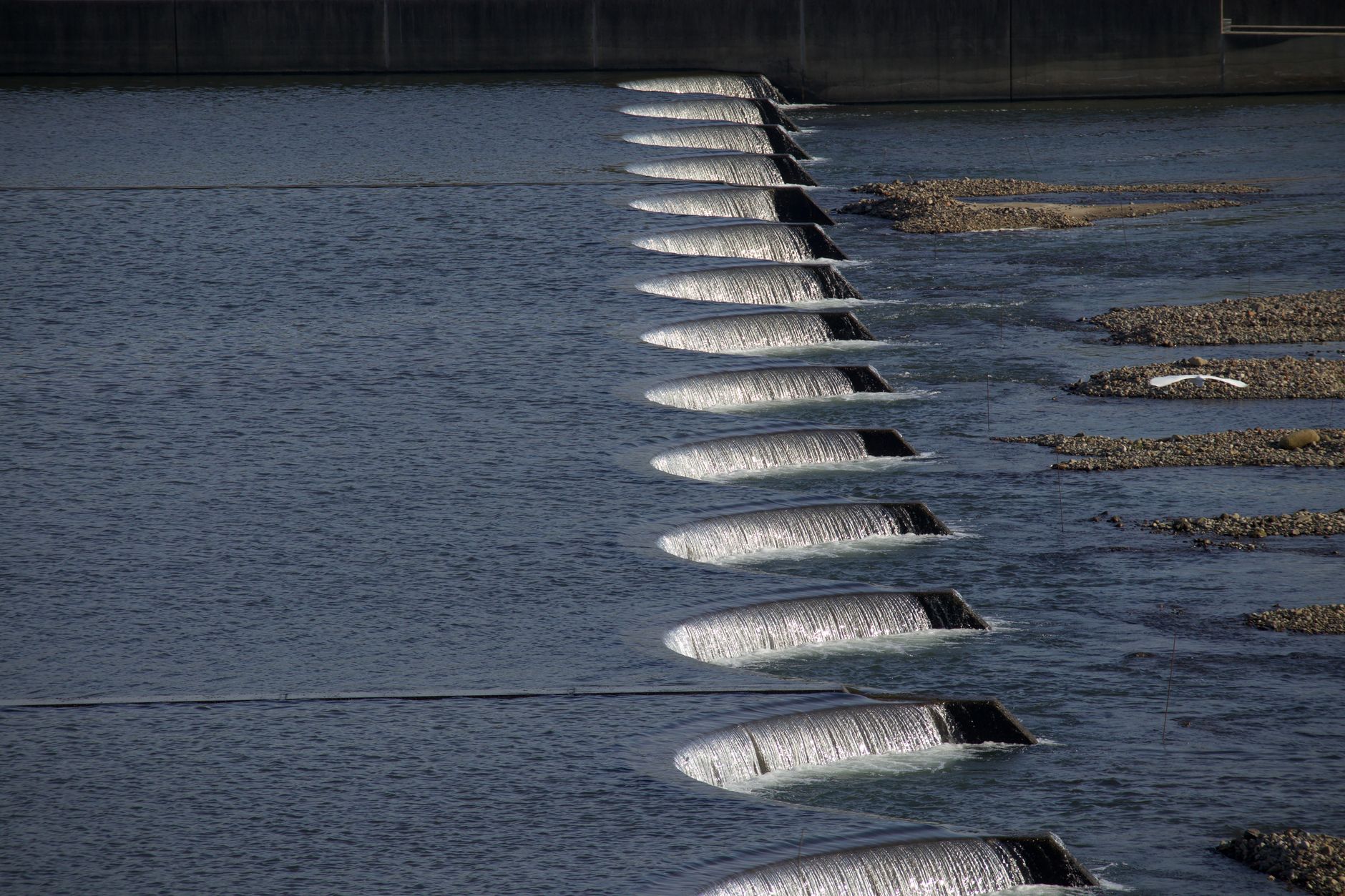
Photo by Dr. Mohammad Hoque / Pexels
Prime Minister Shehbaz Sharif told the UN General Assembly's 81st session on September 25, 2026, that any Indian attempt to stop, impede or divert Pakistan's share of the Indus river waters "will be treated as an act of war" — the sharpest language Islamabad has used at the UN this year on a dispute that has simmered since India put the Indus Waters Treaty in abeyance following last year's conflict.
"Water must never be weaponized"
Speaking in the General Debate segment in New York, Shehbaz said: "Water must never be weaponized. Rivers should nourish nations, not divide them. Therefore, any attempt to stop, impede, or divert Pakistan's share of the waters will be treated as an act of war." He told delegates India's unilateral suspension of the treaty had "no legal basis whatsoever" and that "India must make no mistake about it."
The warning follows a September 1 ruling by an international arbitration panel at The Hague, which found that India must comply with the six-decade-old treaty and curb construction on a contested hydropower project in Indian-administered Kashmir. India rejected the ruling and has kept the treaty suspended, leaving the underlying standoff exactly where it was before the arbitration — which is the backdrop against which Shehbaz escalated his language at the UN.
Kashmir as Pakistan's "jugular vein"
Shehbaz devoted a substantial part of the address to Kashmir, calling it "Pakistan's jugular vein" and saying Kashmiris had waited eight decades for the UN to fulfil its commitment to a free and impartial plebiscite. He listed what he described as decades of "illegal occupation, arbitrary detention, extrajudicial killings, enforced disappearances, sexual violence and collective punishment," and pledged that Pakistan would continue providing "diplomatic, political and moral support" until Kashmiris secured what he called their "inalienable right to self-determination."
Shipping lanes and a call for dialogue
Turning to the Middle East, Shehbaz said the Strait of Hormuz and the Bab al-Mandeb strait were "arteries of the global economy" that "must remain open — connecting nations, not becoming choke points of confrontation," a reference to the disruption the ongoing US-Iran war has caused to regional shipping and, by extension, to Pakistan's own import bill. We've covered how that conflict has fed directly into Pakistan's daily fuel-pricing mechanism. He closed by saying Pakistan had chosen "dialogue over confrontation, cooperation over coercion and peace over war," and called on the international community to make peace and trust "a collective choice."
What's different from the pre-speech expectations
Pakistan's Foreign Office had previewed the address as likely to center on Kashmir, Palestine and a call for de-escalation in the Iran conflict — as we reported ahead of the speech — but the explicit "act of war" framing on water goes further than anything officials had signaled beforehand. It puts Islamabad's position on record, in the UN's highest-profile annual forum, at a moment when the treaty dispute has no active diplomatic track following India's rejection of the Hague ruling.
Why the water dispute matters beyond diplomacy
The Indus system supplies the overwhelming majority of Pakistan's irrigated agriculture, and any sustained disruption to it would compound a water-security picture that is already strained by climate pressures on the country's rivers and groundwater. We've covered that broader water-scarcity picture separately. For now, Shehbaz's remarks are a diplomatic marker rather than a description of any new Indian action on the ground — but they signal that Islamabad now treats the treaty's suspension, not just a hypothetical future diversion, as serious enough to invoke war-footing language at the UN.
Build Better Pakistan's Foreign Desk is tracking the Indus Waters Treaty dispute and will update this piece as India responds or as the dispute moves to another forum.
This article is part of our Politics & Governance coverage — Institutions, local government and how power actually gets exercised.
Frequently Asked Questions
- What exactly did PM Shehbaz say about India and the Indus waters?
- Addressing the UN General Assembly's 81st session on September 25, 2026, Shehbaz said: "Water must never be weaponized. Rivers should nourish nations, not divide them. Therefore, any attempt to stop, impede, or divert Pakistan's share of the waters will be treated as an act of war." He also called India's unilateral decision to hold the Indus Waters Treaty in abeyance legally baseless.
- Why is the Indus Waters Treaty in dispute right now?
- India has held the treaty in abeyance since last year's conflict with Pakistan. An international arbitration panel at The Hague ruled on September 1, 2026, that India must comply with the treaty and limit construction on a hydropower project in Kashmir; India rejected that ruling, leaving the underlying threat Shehbaz referenced at the UN unresolved.
Related Reading

PTI Plans Prolonged Swabi Stay for Oct 4 March as Its Own Leader Warns of Emergency Rule
PTI has settled on Peshawar-to-Swabi as its October 4 route, with plans to camp for several days around founder Imran Khan's October 5 birthday. But KP leader Shaukat Yousafzai is publicly urging a further postponement, warning the government could use an Afghanistan-linked pretext to impose emergency rule.
BBP Politics Desk · September 29, 2026 · 3 min
PML-N Keeps Bahawalpur Seat as Channar Wins NA-168 By-Election, PTI and JI Sit Out
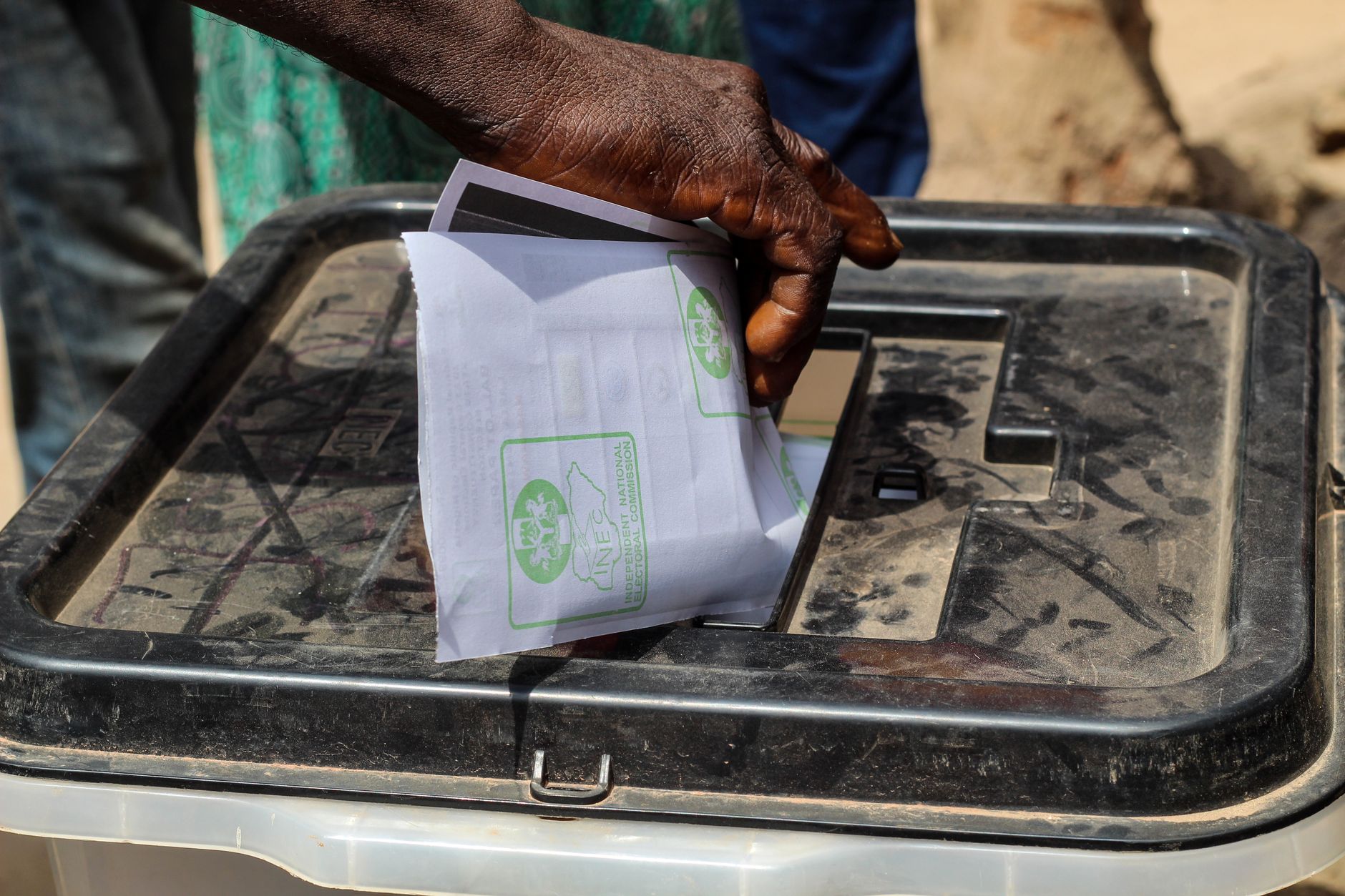
Malik Munir Iqbal Channar won the NA-168 Bahawalpur-V by-election on September 27 with 79,306 votes, a 36,683-vote margin over independent runner-up Wali Dad Cheema, after PPP withdrew in his favour and PTI and Jamaat-i-Islami boycotted the contest.
BBP Politics Desk · September 28, 2026 · 4 min
KP CM Sohail Afridi Says He's Ready to Leave, as PTI's Own MPAs Move Against Him
PTI leader Sher Afzal Marwat says 35 KP MPAs are ready to back a no-confidence motion against Chief Minister Sohail Afridi, and that Imran Khan relayed a message through his lawyer that Afridi should step down. Afridi says he'd rather leave the CM House than compromise on ideology, while Governor Faisal Karim Kundi says no resignation has reached him through official channels.
BBP Politics Desk · September 28, 2026 · 4 min