Running Dry: Pakistan's Growing Water Scarcity Crisis
Pakistan is one of the most water-stressed countries in the world, with per-capita availability falling for decades. What's driving the decline, and can it be reversed?
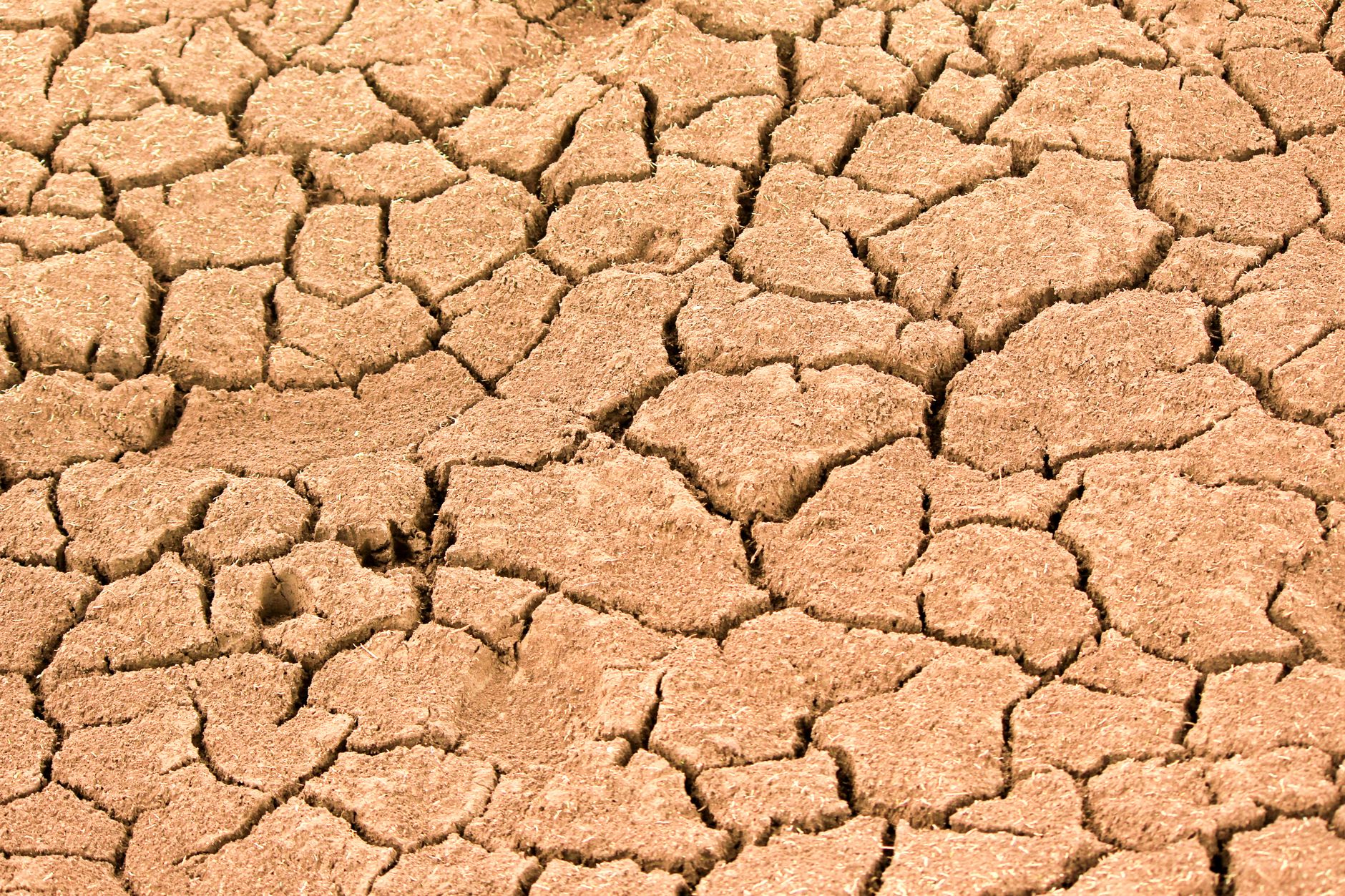
Photo by Saravanan Narayanan / Pexels
Pakistan crossed the internationally recognized "water-scarce" threshold of 1,000 cubic meters of renewable water per person per year back in 2010, and the trajectory since has continued in the same direction: per-capita availability now stands at roughly 930 cubic meters a year, down from more than 5,000 cubic meters at independence in 1947. The Pakistan Council of Research in Water Resources (PCRWR) had warned as early as 2016 that the country could fall below the more severe "absolute scarcity" line of 500 cubic meters by 2025 — a threshold that, as of the most recent figures available, Pakistan has not yet crossed, though the underlying trend that prompted the warning hasn't reversed either. For a country where agriculture — heavily dependent on irrigation from the Indus basin — remains a cornerstone of the economy and employment, that trend carries serious long-term consequences.
Why availability keeps declining
Several forces are compounding at once:
- Population growth. Pakistan's population has grown substantially in recent decades, meaning the same or a shrinking volume of water is now divided among far more people than in previous generations.
- Glacial and snowmelt volatility. The Indus basin depends heavily on glacial and snowmelt from the Himalayas, Karakoram and Hindu Kush ranges. Climate change is altering the timing and volume of that melt, making seasonal water availability less predictable even where long-term totals haven't shifted dramatically.
- Inefficient irrigation. A large share of agricultural water use relies on flood irrigation methods that lose significant volumes to evaporation and seepage, rather than more water-efficient drip or sprinkler systems.
- Groundwater depletion. In areas where surface water access is unreliable, farmers and municipalities have increasingly turned to groundwater extraction, in many cases faster than aquifers can naturally recharge.
- Limited storage capacity. Pakistan's dam and reservoir storage capacity, relative to the volume of the Indus system's annual flow, lags well behind many other countries with comparable river systems — leaving less of a buffer to manage seasonal variability.
The agricultural stakes
Agriculture accounts for the large majority of Pakistan's water consumption and remains central to rural employment and food security. Water scarcity doesn't just threaten crop yields directly — it also intensifies competition between agricultural, urban and industrial water users, a tension that plays out at both the provincial level (inter-provincial water-sharing disputes) and the local level (competition between upstream and downstream farmers).
Urban water stress
The crisis isn't confined to rural agriculture. Major cities, including Karachi, face chronic water supply shortfalls driven by a combination of aging distribution infrastructure, rapid urban population growth, and — in Karachi's case specifically — heavy reliance on a water supply system that hasn't kept pace with the city's expansion.
Paths toward a more sustainable water future
Water resource experts generally point to a combination of supply-side and demand-side measures:
- Modernizing irrigation infrastructure, shifting a larger share of agricultural water use toward drip and sprinkler systems, particularly for water-intensive crops.
- Expanding storage capacity, through a combination of new reservoirs and smaller-scale, community-level water storage that can buffer seasonal variability without the political and environmental complexity of large dam projects.
- Regulating groundwater extraction, an area where enforcement has historically been weak, to prevent unsustainable aquifer depletion.
- Investing in urban water infrastructure, particularly in fast-growing cities where distribution losses and inadequate supply networks compound scarcity.
- Strengthening inter-provincial water governance, ensuring water-sharing agreements reflect current hydrological realities and are seen as equitable by all provinces.
Water scarcity is often described as a slower-moving crisis than floods or earthquakes — but its cumulative economic and social costs, left unaddressed, could ultimately prove just as significant.
Build Better Pakistan's Climate Desk covers water security alongside our broader climate resilience reporting.
This article is part of our Climate & Environment coverage — Floods, water scarcity and building a more climate-resilient country.
Related Reading
Pakistan Needs $565.7 Billion for Its Climate Pledges. It Has Accessed Less Than Half a Billion.
Pakistan's NDC 3.0 commits to cutting emissions up to 50 percent by 2035, a target the World Bank prices at $565.7 billion. Reporting this week found the country has drawn under half a billion dollars from the main global climate funds combined.
BBP Climate Desk · September 28, 2026 · 4 min
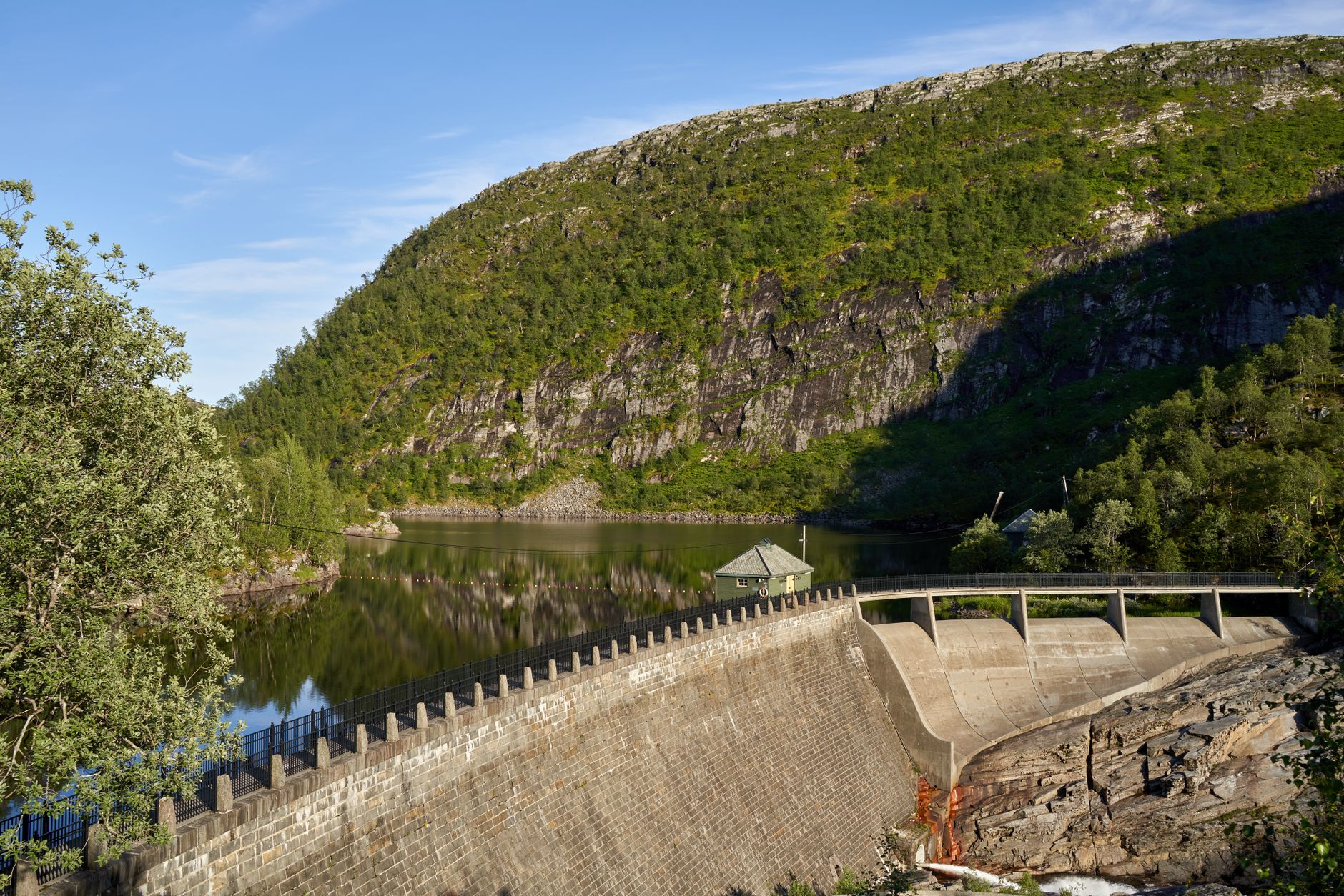
Pakistan's Reservoirs Enter Rabi Season at Lowest Level Since 2021
Combined storage at Tarbela and Mangla has fallen below 9.5 million acre feet ahead of the Rabi season that starts October 1 — the lowest carryover in five years, with IRSA bracing provinces for a shortage of around 25 percent as wheat sowing begins.
BBP Climate Desk · September 28, 2026 · 4 min
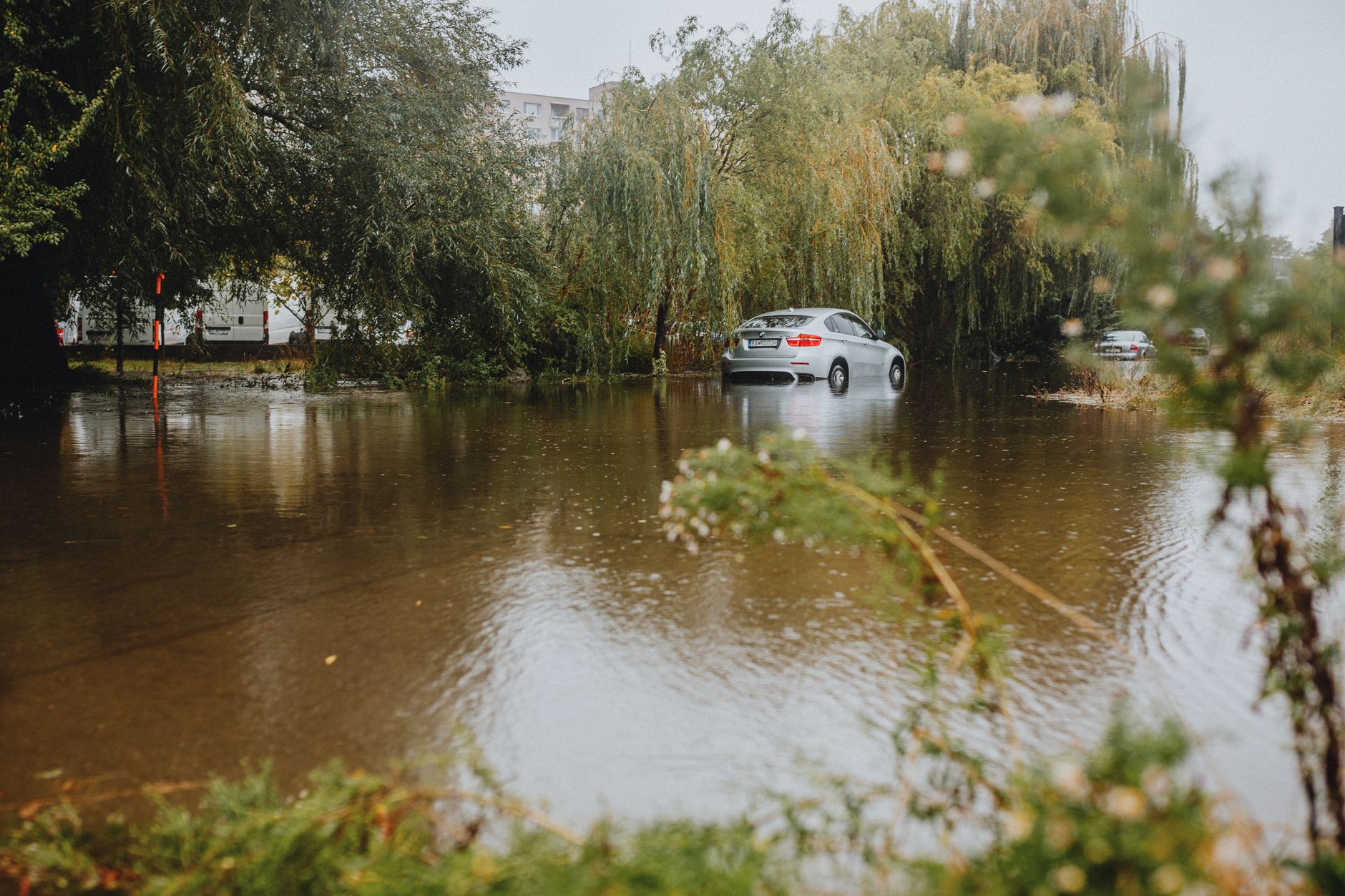
Rain Emergency Declared in Rawalpindi as Downpour Floods Islamabad's Twin City
Heavy rain across Islamabad, Rawalpindi and parts of Punjab and KP on September 28 shut schools, tripped power feeders and pushed Rawalpindi's civic agencies onto a full rain-emergency footing, with Nullah Lai monitored through the day.
BBP Climate Desk · September 28, 2026 · 3 min