Rain Emergency Declared in Rawalpindi as Downpour Floods Islamabad's Twin City
Heavy rain across Islamabad, Rawalpindi and parts of Punjab and KP on September 28 shut schools, tripped power feeders and pushed Rawalpindi's civic agencies onto a full rain-emergency footing, with Nullah Lai monitored through the day.
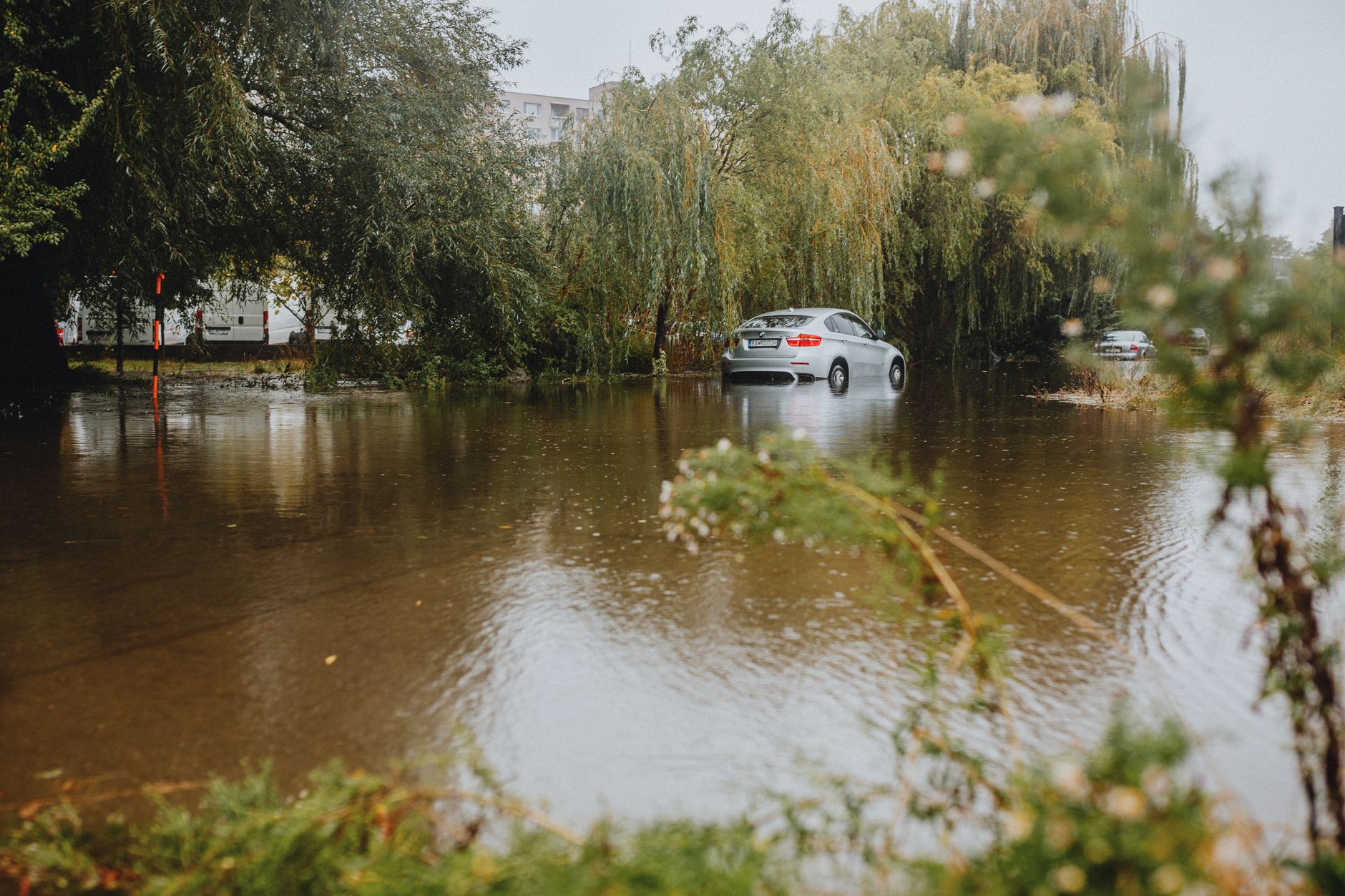
Photo by Helena Jankovičová Kováčová / Pexels
Rawalpindi's Water and Sanitation Agency declared a rain emergency on September 28 as heavy rain lashed Islamabad and Rawalpindi, closed schools across the twin cities and disrupted electricity supply in several neighbourhoods after power feeders tripped.
How much rain fell, and where
The Pakistan Meteorological Department recorded 33mm of rain at Saidpur village, 25mm at Golra, 28mm at Pirwadhai and 27mm at Gawalmandi through the day. Beyond the twin cities, heavy rainfall accompanied by strong winds and hailstorms in places was also reported in Kohat, Karak, Mianwali and Dunyapur, with rain forecast to continue across Attock, Chakwal, Faisalabad, Gujranwala, Jhelum, Lahore and other parts of Punjab. In Kundian, rainwater entered homes and inundated streets and neighbourhoods, according to local reporting.
What the emergency declaration triggered
With Rawalpindi's Wasa on emergency footing, all field officers were mobilised and staff and heavy machinery deployed to low-lying areas prone to flooding. Civic authorities kept Nullah Lai and the city's other major drains under continuous monitoring through the day. As of the afternoon, water levels there remained within normal limits — 5 feet at Katarian and 2 feet at the Gawalmandi Bridge — a relief given the nullah's history of overflowing during the region's heavier monsoon downpours, which we've tracked in our coverage of this year's flash-flood warnings for Pakistan's upper regions. Government and private schools across the twin cities were closed for the day as a precaution, and electricity supply was disrupted in several areas after the downpour tripped power feeders, adding to residents' inconvenience.
A late-season event, not an early one
What makes this spell notable is timing. Pakistan's monsoon season conventionally winds down by September, and this year's heavier flood and flash-flood episodes were concentrated earlier in the summer. A rain emergency serious enough to shut schools and mobilise Wasa's full field response in the last week of September points to a monsoon pattern that isn't following the calendar it used to — consistent with the broader shift toward more erratic, less seasonally predictable rainfall that Pakistan's meteorologists have flagged across 2026, and part of the same volatility this year's smog and pollution season in Lahore is downstream of once the rain stops and the air dries out.
What to watch next
The immediate risk is whether Nullah Lai's water level rises past the thresholds authorities consider safe as more rain moves through Punjab and KP over the coming days. District administration officials in Rawalpindi have said monitoring will continue, and Wasa has urged residents to avoid unnecessary travel through low-lying areas until the current spell clears.
Build Better Pakistan's Climate Desk tracks flooding, monsoon patterns and civic emergency response across Pakistan.
This article is part of our Climate & Environment coverage — Floods, water scarcity and building a more climate-resilient country.
Frequently Asked Questions
- Why did Rawalpindi declare a rain emergency on September 28?
- Heavy rain across the twin cities — 33mm recorded at Saidpur, 28mm at Pirwadhai and 27mm at Gawalmandi, among other readings — caused water to accumulate in low-lying areas and raised the risk of Nullah Lai overflowing, prompting Rawalpindi's Water and Sanitation Agency to mobilise all field officers and deploy machinery to affected neighbourhoods.
- Did Nullah Lai overflow, and were schools closed?
- As of the afternoon of September 28, Nullah Lai's water level remained within normal limits — 5 feet at Katarian and 2 feet at the Gawalmandi Bridge — though authorities kept it under continuous watch. Government and private schools in the twin cities were closed for the day as a precaution.
Related Reading

Pakistan Needs $565.7 Billion for Its Climate Pledges. It Has Accessed Less Than Half a Billion.
Pakistan's NDC 3.0 commits to cutting emissions up to 50 percent by 2035, a target the World Bank prices at $565.7 billion. Reporting this week found the country has drawn under half a billion dollars from the main global climate funds combined.
BBP Climate Desk · September 28, 2026 · 4 min
Pakistan's Reservoirs Enter Rabi Season at Lowest Level Since 2021
Combined storage at Tarbela and Mangla has fallen below 9.5 million acre feet ahead of the Rabi season that starts October 1 — the lowest carryover in five years, with IRSA bracing provinces for a shortage of around 25 percent as wheat sowing begins.
BBP Climate Desk · September 28, 2026 · 4 min
Lahore Tops World's Most Polluted Cities as Punjab's 2026 Smog Season Begins Early
Lahore's air quality index hit 207 on September 23, ranking the city the world's most polluted, as Punjab's Environment Protection Agency starts enforcement weeks ahead of the usual smog season with drone surveillance and a zero-tolerance stance on crop burning.
BBP Climate Desk · September 25, 2026 · 3 min