NDMA Warns of Flash Floods Across Upper Pakistan Through September 30
The National Disaster Management Authority has warned of heavy rain and flash-flood risk across Punjab, Khyber Pakhtunkhwa, Gilgit-Baltistan, Azad Jammu and Kashmir, and Islamabad from September 25 to 30, as a westerly weather system intensifies.

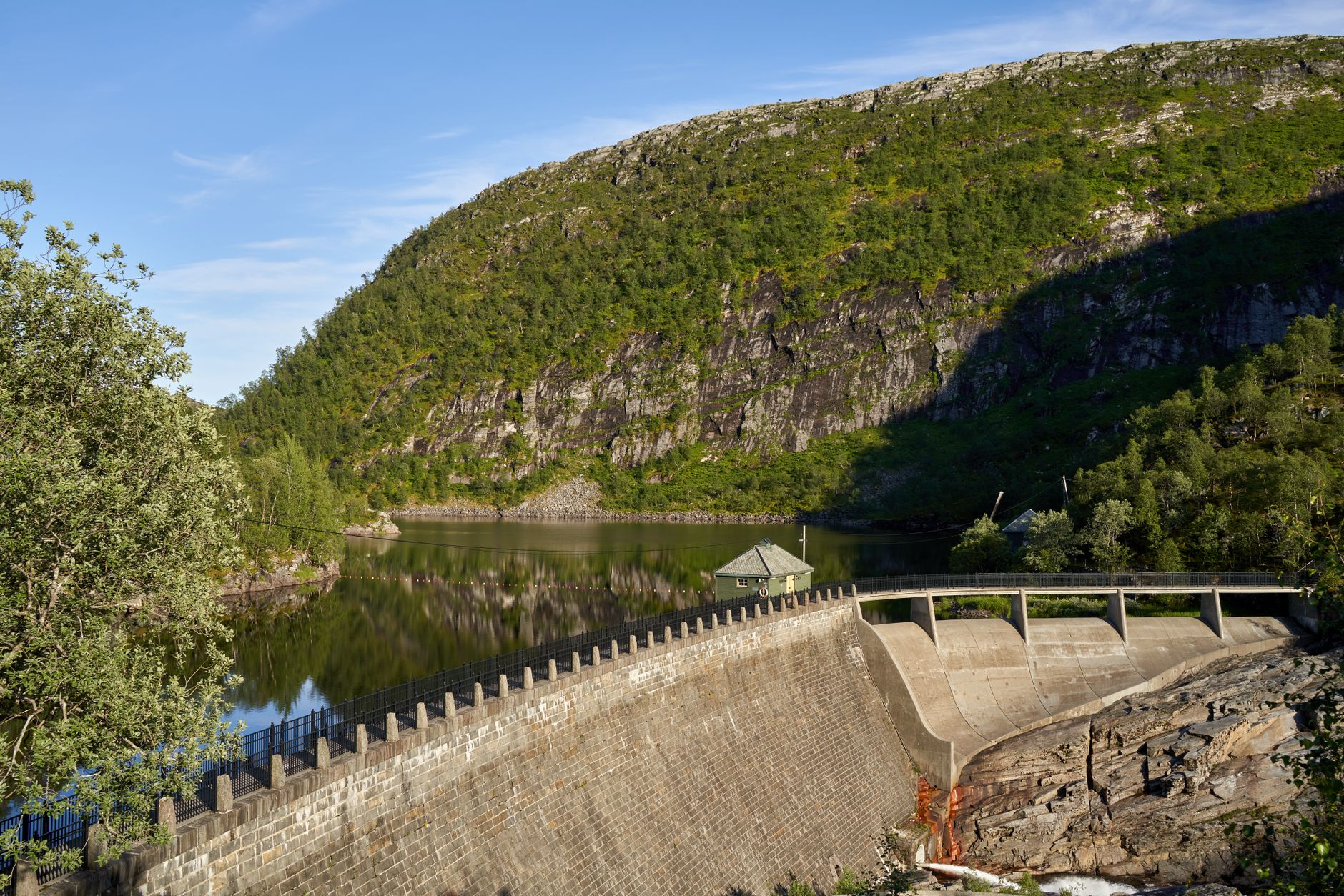
Photo by Helena Jankovičová Kováčová / Pexels
Pakistan's National Disaster Management Authority warned on September 25, 2026, of heavy rain and flash-flood risk across the country's upper regions through September 30, as a westerly weather system intensifies over Punjab, Khyber Pakhtunkhwa, Gilgit-Baltistan, Azad Jammu and Kashmir, and Islamabad.
What the NDMA is warning about
The NDMA said the westerly system was expected to intensify specifically on September 25 and 26, bringing thunderstorms and rainfall that could trigger flash floods in mountainous areas and sudden rises in seasonal streams and nullahs. The authority has directed provincial disaster-management departments and local administrations to take advance precautionary measures ahead of the rain rather than respond after flooding begins.
Where the risk is concentrated
In Gilgit-Baltistan, the NDMA named Astore, Skardu, Roundu, Ghanche and Shigar as districts at risk of flash flooding from glacial and mountain runoff. In Khyber Pakhtunkhwa, Swat, Bajaur, Dir, Kohistan, Kolai Palas, Battagram and Mansehra face the same risk. Separately, the authority warned of urban flooding in Islamabad, Rawalpindi, Attock, Chakwal, Jhelum, Murree and the Galiyat region, along with a wider band of Punjab cities including Lahore, Faisalabad, Sialkot, Gujranwala, Gujrat, Sargodha, Mianwali, Khushab, Bhakkar and Layyah.
A warning system under scrutiny
This alert lands months after Prime Minister Shehbaz Sharif ordered an inquiry, in June 2026, after discovering that an early-warning system meant to protect northern Pakistan from flooding was still non-operational heading into this year's monsoon season. The NDMA's ability to name specific at-risk districts and issue a five-day advance window this time suggests at least some of that gap has been addressed, though the authority has not said whether the system flagged in June is now fully operational or whether this alert relied on other forecasting channels.
Coming after a costly monsoon season
The warning follows a 2026 monsoon season that has already been unusually deadly. Monsoon-related incidents had killed 234 people nationwide as of early September, with Khyber Pakhtunkhwa and Punjab — two of the provinces named in this latest alert — recording the highest death tolls. A fresh flash-flood risk in largely the same geography, arriving as the formal monsoon season winds down, is a reminder that Pakistan's flood-risk window no longer closes neatly at the end of summer.
Why the response matters as much as the warning
An accurate five-day forecast only reduces harm if it reaches the people in its path and if local authorities act on it before rain falls, not after. Pakistan's broader case for climate resilience — including the post-flood resilience planning covered separately on this site — rests on exactly this kind of early-warning-to-evacuation chain working reliably, district by district, rather than only in the aftermath of a disaster that has already happened.
What to watch next
Whether the districts NDMA has named see damage in line with the warning, whether provincial authorities pre-position relief and evacuation resources before September 26's peak rainfall, and whether the northern early-warning system flagged as non-operational in June holds up under its first real test since the inquiry was ordered.
Build Better Pakistan's Climate Desk is tracking the NDMA's flood alert and will update this piece as rainfall and any damage reports come in.
This article is part of our Climate & Environment coverage — Floods, water scarcity and building a more climate-resilient country.
Frequently Asked Questions
- Which areas does the NDMA warning cover, and for how long?
- The National Disaster Management Authority's alert, issued September 25, 2026, covers Islamabad, Punjab, Khyber Pakhtunkhwa, Azad Jammu and Kashmir, and Gilgit-Baltistan from September 25 to 30. A westerly weather system was expected to intensify specifically on September 25 and 26.
- Which specific districts are named as highest-risk for flash floods?
- In Gilgit-Baltistan: Astore, Skardu, Roundu, Ghanche and Shigar. In Khyber Pakhtunkhwa: Swat, Bajaur, Dir, Kohistan, Kolai Palas, Battagram and Mansehra. For urban flooding: Islamabad, Rawalpindi, Attock, Chakwal, Jhelum, Murree, the Galiyat region, and Punjab cities including Lahore, Faisalabad, Sialkot, Gujranwala, Gujrat, Sargodha, Mianwali, Khushab, Bhakkar and Layyah.
Related Reading

Pakistan Needs $565.7 Billion for Its Climate Pledges. It Has Accessed Less Than Half a Billion.
Pakistan's NDC 3.0 commits to cutting emissions up to 50 percent by 2035, a target the World Bank prices at $565.7 billion. Reporting this week found the country has drawn under half a billion dollars from the main global climate funds combined.
BBP Climate Desk · September 28, 2026 · 4 min
Pakistan's Reservoirs Enter Rabi Season at Lowest Level Since 2021
Combined storage at Tarbela and Mangla has fallen below 9.5 million acre feet ahead of the Rabi season that starts October 1 — the lowest carryover in five years, with IRSA bracing provinces for a shortage of around 25 percent as wheat sowing begins.
BBP Climate Desk · September 28, 2026 · 4 min

Rain Emergency Declared in Rawalpindi as Downpour Floods Islamabad's Twin City
Heavy rain across Islamabad, Rawalpindi and parts of Punjab and KP on September 28 shut schools, tripped power feeders and pushed Rawalpindi's civic agencies onto a full rain-emergency footing, with Nullah Lai monitored through the day.
BBP Climate Desk · September 28, 2026 · 3 min