Pakistan's 2026 Monsoon Death Toll Climbs to 234
Pakistan's National Disaster Management Authority says the 2026 monsoon season has killed 234 people and injured 596 since late June, with authorities warning the risk of further flooding and landslides hasn't passed.
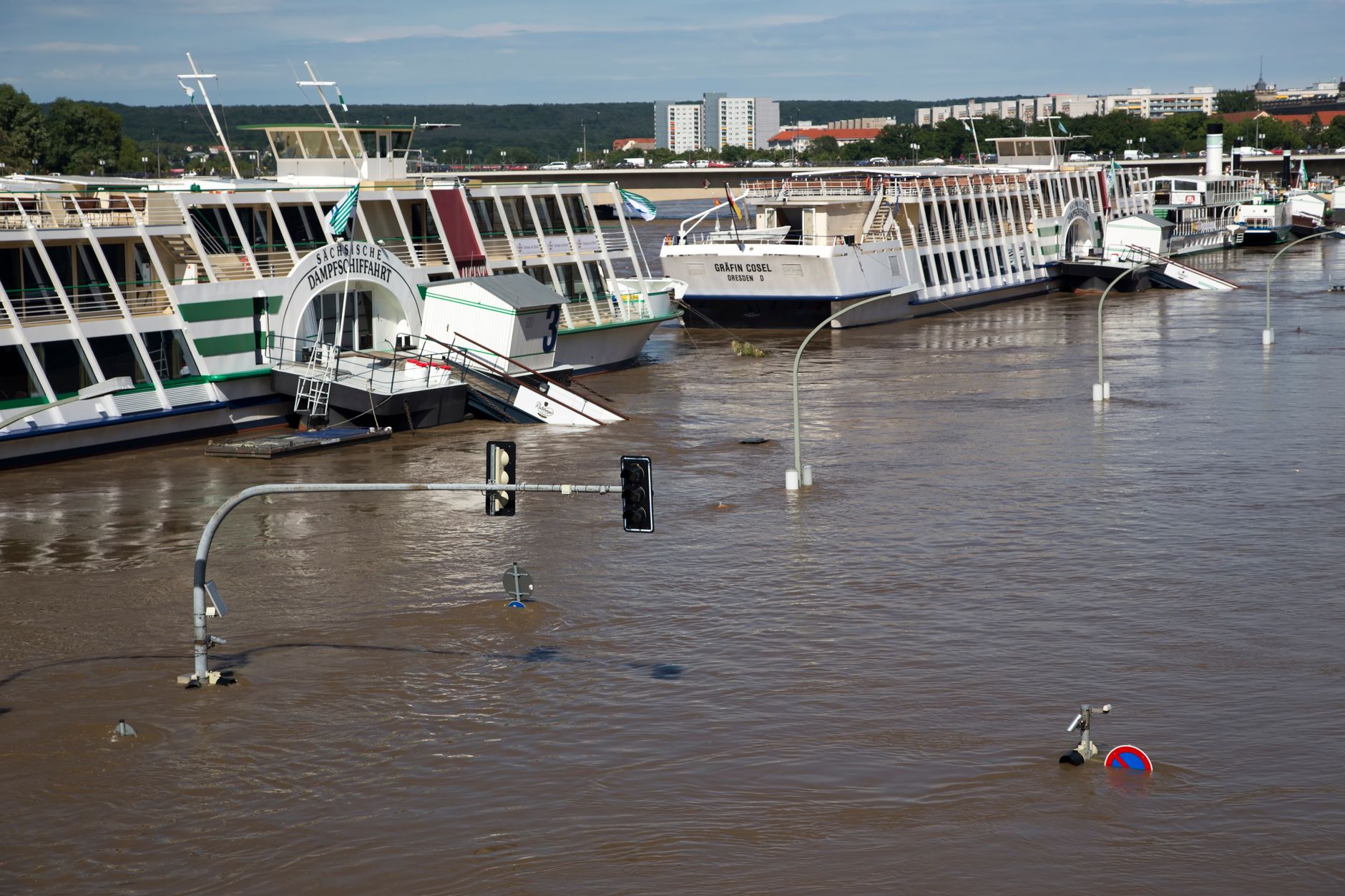
Photo by Valentin Ivantsov / Pexels
Pakistan's National Disaster Management Authority (NDMA) reported that the death toll from monsoon rains and flooding since late June 2026 has risen to 234, with 596 others injured, according to the agency's most recent update.
How the toll built through the season
The number climbed steadily rather than arriving in a single catastrophic event. Early tallies in late July 2026 put the death count above 100, with Khyber Pakhtunkhwa recording the highest provincial toll at that point (55 deaths) followed by Punjab (36). By early August, the toll had risen to nearly 150. By early September, it stood at 180 deaths, 509 injuries, and damage to more than 1,700 homes — before climbing further to the current figure of 234.
Why this season followed the 2025 floods so closely
The 2026 monsoon season arrived less than a year after Pakistan's devastating 2025 floods, which killed more than 1,000 people and caused an estimated Rs822 billion (roughly $2.9 billion) in losses. That proximity matters: communities and infrastructure that hadn't finished recovering from one flood season were exposed to another. Our explainer on Pakistan's post-flood reconstruction covers both events and the reconstruction gap between them in more detail.
A warning system that wasn't ready
Ahead of the 2026 season, Prime Minister Shehbaz Sharif ordered an inquiry after it emerged that an early-warning system in northern Pakistan remained non-operational going into the monsoon — a separate story we cover here. The gap between the system's intended function and its actual readiness is a recurring theme in assessments of why flood casualties in Pakistan remain high relative to the country's stated disaster-preparedness investments.
What's still at risk
Authorities have continued to warn that flooding and landslide risk had not fully passed as of this report, meaning the final toll for the 2026 season may still rise. We'll update this piece as NDMA issues further figures.
Build Better Pakistan's Climate Desk is tracking Pakistan's 2026 monsoon season and will update this piece as new casualty figures are confirmed.
This article is part of our Climate & Environment coverage — Floods, water scarcity and building a more climate-resilient country.
Frequently Asked Questions
- How many people has Pakistan's 2026 monsoon season killed?
- Pakistan's National Disaster Management Authority reported 234 deaths and 596 injuries from monsoon-related flooding and landslides since late June 2026, as of its most recent update.
- Is the 2026 monsoon season over?
- As of this report, authorities had warned that the risk of further flooding and landslides had not passed, with the monsoon season typically continuing its effects into September.
Related Reading
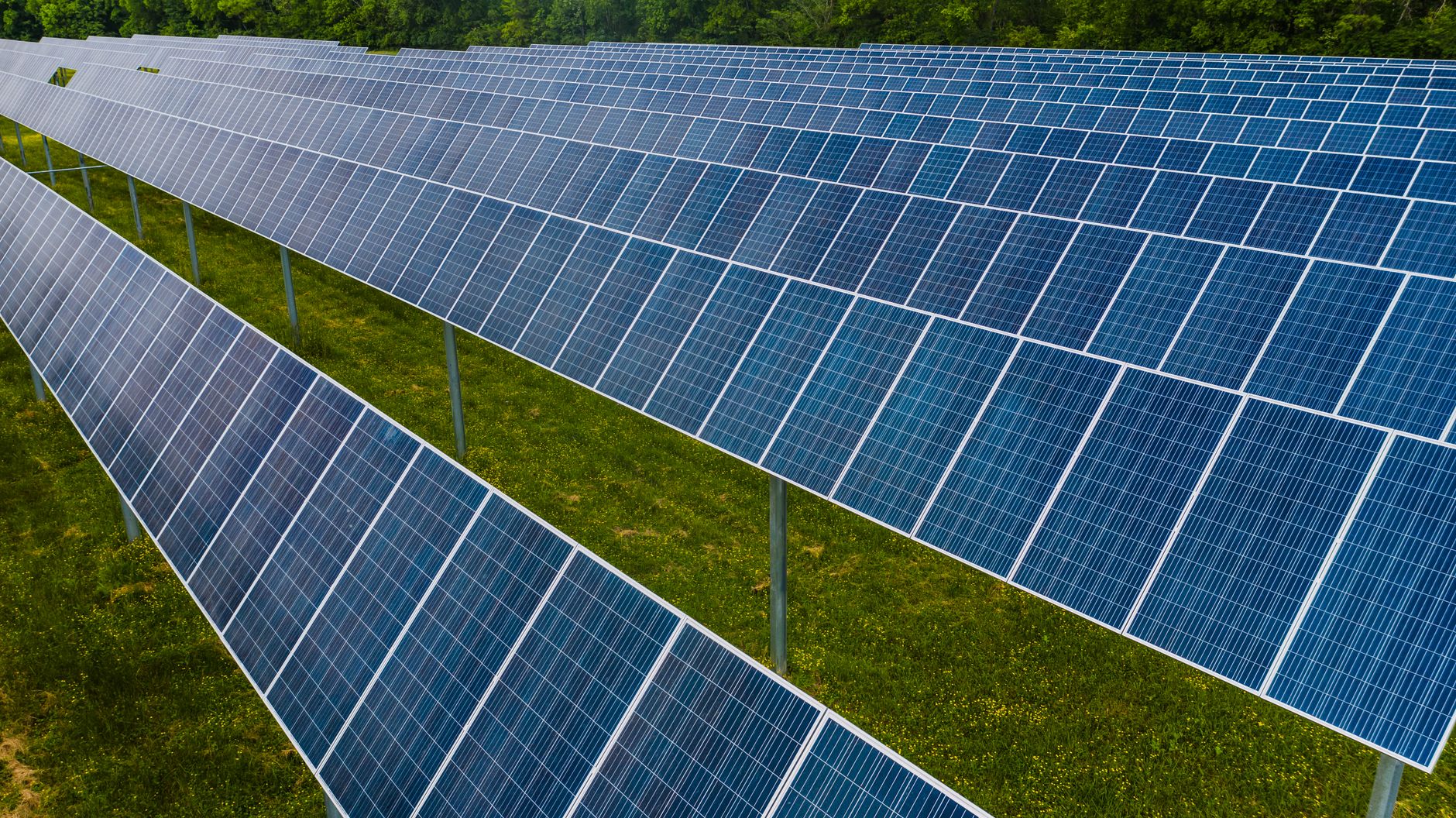
Pakistan Needs $565.7 Billion for Its Climate Pledges. It Has Accessed Less Than Half a Billion.
Pakistan's NDC 3.0 commits to cutting emissions up to 50 percent by 2035, a target the World Bank prices at $565.7 billion. Reporting this week found the country has drawn under half a billion dollars from the main global climate funds combined.
BBP Climate Desk · September 28, 2026 · 4 min
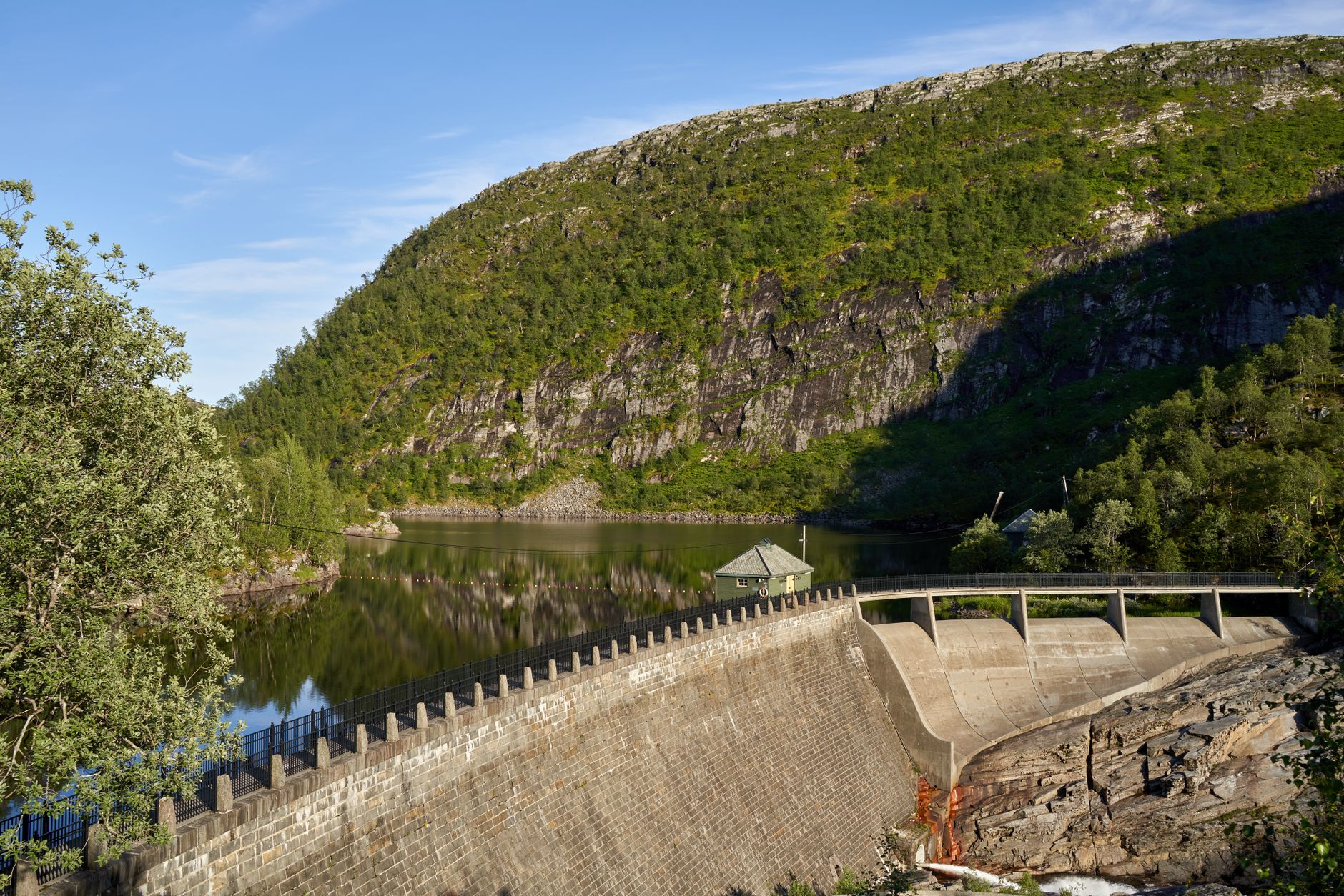
Pakistan's Reservoirs Enter Rabi Season at Lowest Level Since 2021
Combined storage at Tarbela and Mangla has fallen below 9.5 million acre feet ahead of the Rabi season that starts October 1 — the lowest carryover in five years, with IRSA bracing provinces for a shortage of around 25 percent as wheat sowing begins.
BBP Climate Desk · September 28, 2026 · 4 min
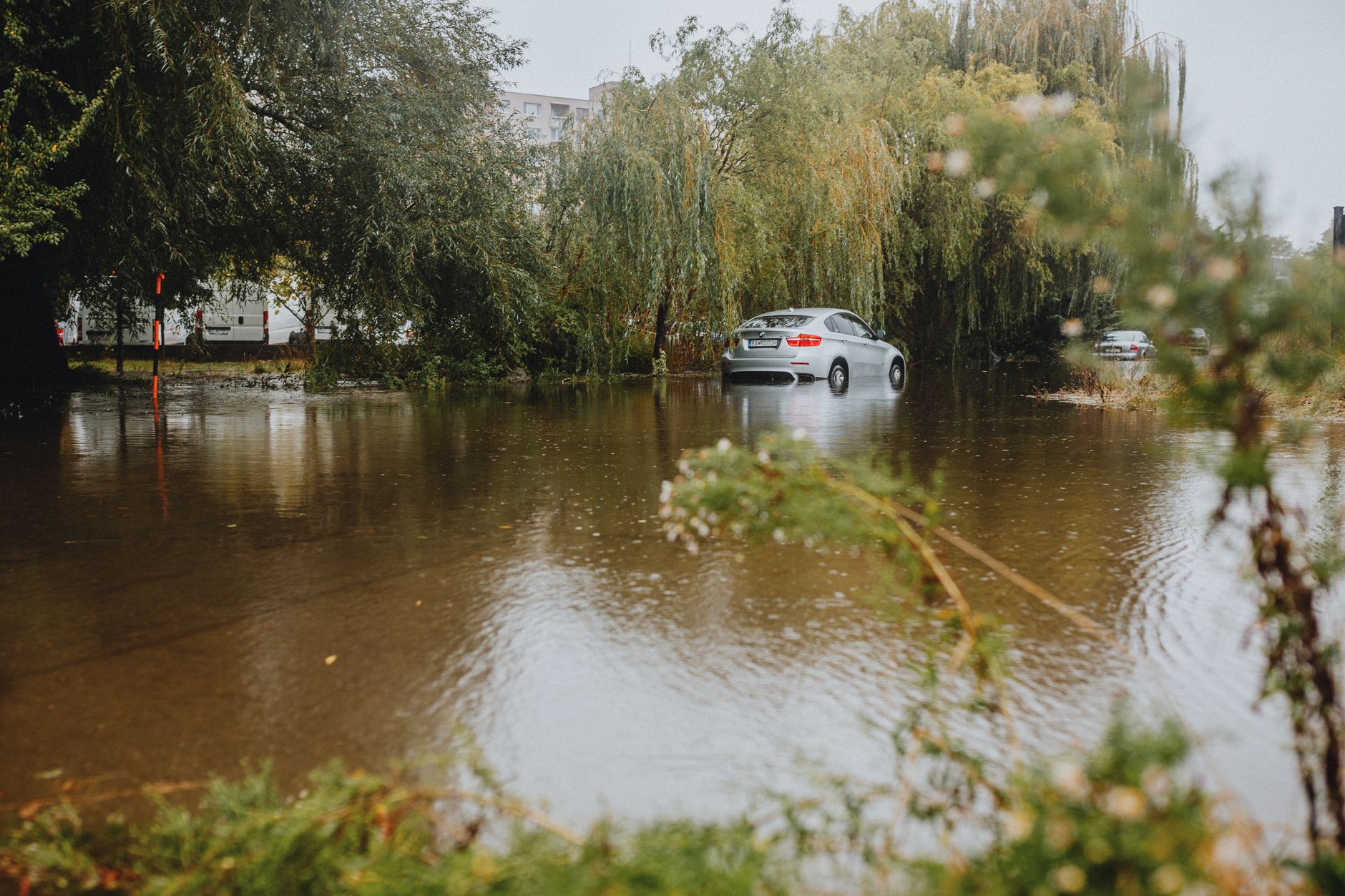
Rain Emergency Declared in Rawalpindi as Downpour Floods Islamabad's Twin City
Heavy rain across Islamabad, Rawalpindi and parts of Punjab and KP on September 28 shut schools, tripped power feeders and pushed Rawalpindi's civic agencies onto a full rain-emergency footing, with Nullah Lai monitored through the day.
BBP Climate Desk · September 28, 2026 · 3 min