After the Floods: Rebuilding a Climate-Resilient Pakistan
Pakistan isn't recovering from a single flood — it's cycling through them. With the 2026 monsoon season's death toll already past 230 and 2022 reconstruction still unfinished, what would it actually take to flood-proof the country's most vulnerable regions?
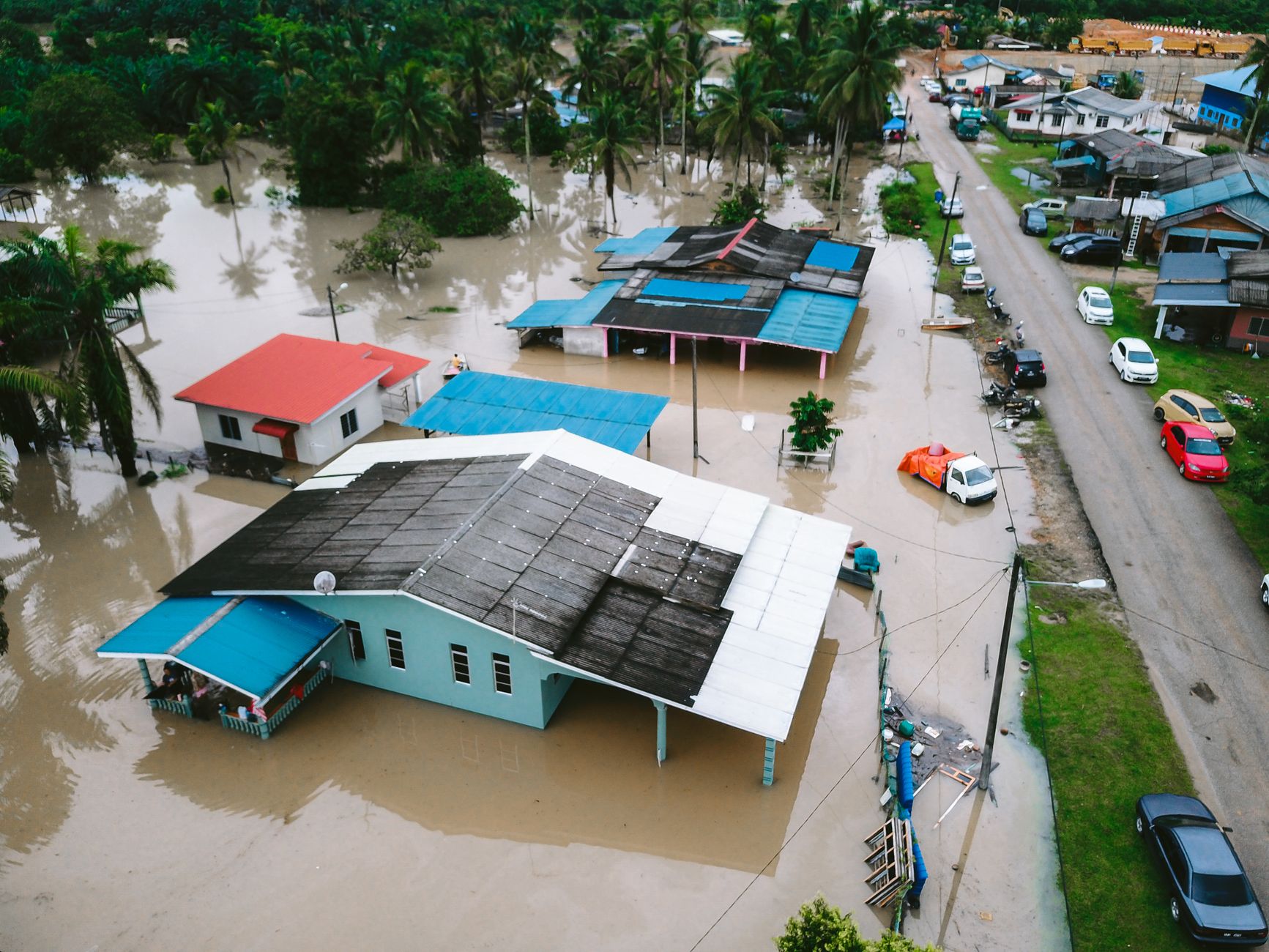
Photo by Pok Rie / Pexels
Pakistan is regularly ranked among the countries most exposed to climate-related disasters, despite contributing a small fraction of global greenhouse gas emissions. The catastrophic 2022 monsoon floods, which submerged roughly a third of the country at their peak, are often cited as the defining example of that exposure — but treating 2022 as a one-off undersells the pattern. Pakistan flooded again in 2025, in what became the worst Punjab flooding since 1988, killing over 1,000 people nationwide. And as of this writing, the 2026 monsoon season is still an active emergency: Pakistan's National Disaster Management Authority had recorded 234 deaths and nearly 600 injuries as of mid-September 2026, with flooding affecting Punjab, Khyber Pakhtunkhwa, Sindh, Balochistan, Gilgit-Baltistan, and Azad Jammu & Kashmir since late June.
Three major flood events in five years is itself the story: this isn't a single disaster Pakistan is slowly recovering from, it's a recurring one the country hasn't yet built the resilience to absorb.
Why the risk keeps compounding
Pakistan's flood vulnerability is not a single-cause problem. It sits at the intersection of geography, infrastructure and land use:
- Glacial melt and erratic monsoons. The country is home to thousands of glaciers, and warming temperatures have made both glacial melt and monsoon rainfall more volatile and less predictable.
- Riverine encroachment. Development and agriculture have pushed steadily into natural floodplains along the Indus, narrowing the corridors rivers once used to safely carry excess water.
- Drainage infrastructure built for a different climate. Much of the country's irrigation and drainage network was designed decades ago, for rainfall patterns that no longer hold.
Taken together, these factors mean that a single unusually intense monsoon season can overwhelm systems that were never designed for it.
What reconstruction has — and hasn't — delivered
In the years since 2022, reconstruction efforts have rebuilt a meaningful share of damaged housing and restored significant stretches of damaged roads and irrigation channels. Provincial and federal authorities, supported by international donors, have also piloted resilience-focused approaches in some districts, including elevated housing designs and rerouted drainage. In Sindh specifically, donor-backed projects have reported rehabilitating infrastructure for an estimated 3.6 million people and delivering multi-hazard-resilient housing for over 2 million beneficiaries under the post-2022 recovery framework.
But independent assessments and community reporting consistently point to the same gaps: reconstruction has often prioritized speed over resilience, rebuilding housing and roads in the same flood-prone footprint rather than relocating or redesigning around updated flood-risk maps. Displaced families in some of the worst-affected areas were still living in temporary shelter when the 2025 and 2026 floods arrived — meaning some communities have now been hit before finishing recovery from the previous disaster.
What a more resilient approach would look like
Solutions-focused analysts and engineers point to a handful of measures that are well understood, tested elsewhere, and largely a matter of political will and financing rather than technical uncertainty:
- Update and enforce floodplain zoning. Mapping high-risk zones and restricting new construction within them is one of the least expensive, highest-leverage interventions available — but it requires enforcement against politically powerful agricultural and real-estate interests.
- Invest in early-warning systems. Localized, community-level flood warning systems have a strong track record of reducing casualties even when they can't prevent property damage.
- Restore natural flood buffers. Wetlands, floodplain forests and riverine corridors absorb and slow floodwater. Restoring even a fraction of what has been lost to agricultural and urban expansion would meaningfully reduce downstream flood peaks.
- Climate-proof reconstruction financing. International climate finance pledged in the wake of the 2022 floods has been released more slowly than needed. Streamlining disbursement — and tying it to resilience standards rather than like-for-like rebuilding — would stretch existing commitments further.
The stakes of getting this right
Pakistan's agricultural economy, which employs a large share of the workforce and underpins food security, is directly exposed to flood risk along the Indus basin. Repeated flooding also deepens rural poverty cycles: families that lose homes, livestock and standing crops often take years to recover, if they recover fully at all.
None of this is unique to Pakistan — climate-vulnerable countries worldwide are wrestling with the same tension between rebuilding quickly and rebuilding smart. But with three major floods in five years and an active emergency as this piece is being published, the argument that resilience investment can wait for a quieter year is getting harder to sustain.
Build Better Pakistan will continue tracking reconstruction progress and resilience financing across flood-affected districts throughout the year.
This article is part of our Climate & Environment coverage — Floods, water scarcity and building a more climate-resilient country.
Related Reading
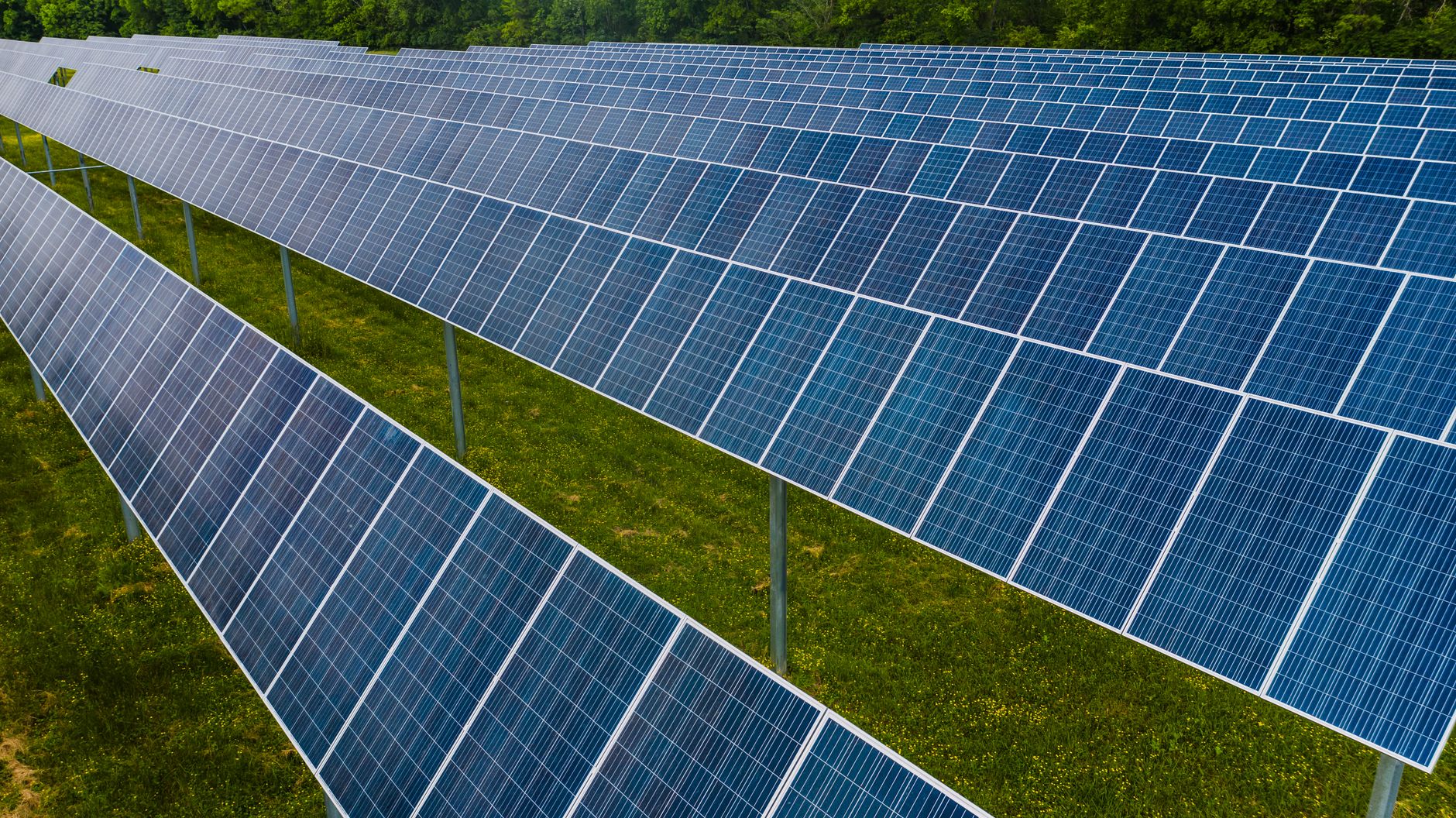
Pakistan Needs $565.7 Billion for Its Climate Pledges. It Has Accessed Less Than Half a Billion.
Pakistan's NDC 3.0 commits to cutting emissions up to 50 percent by 2035, a target the World Bank prices at $565.7 billion. Reporting this week found the country has drawn under half a billion dollars from the main global climate funds combined.
BBP Climate Desk · September 28, 2026 · 4 min
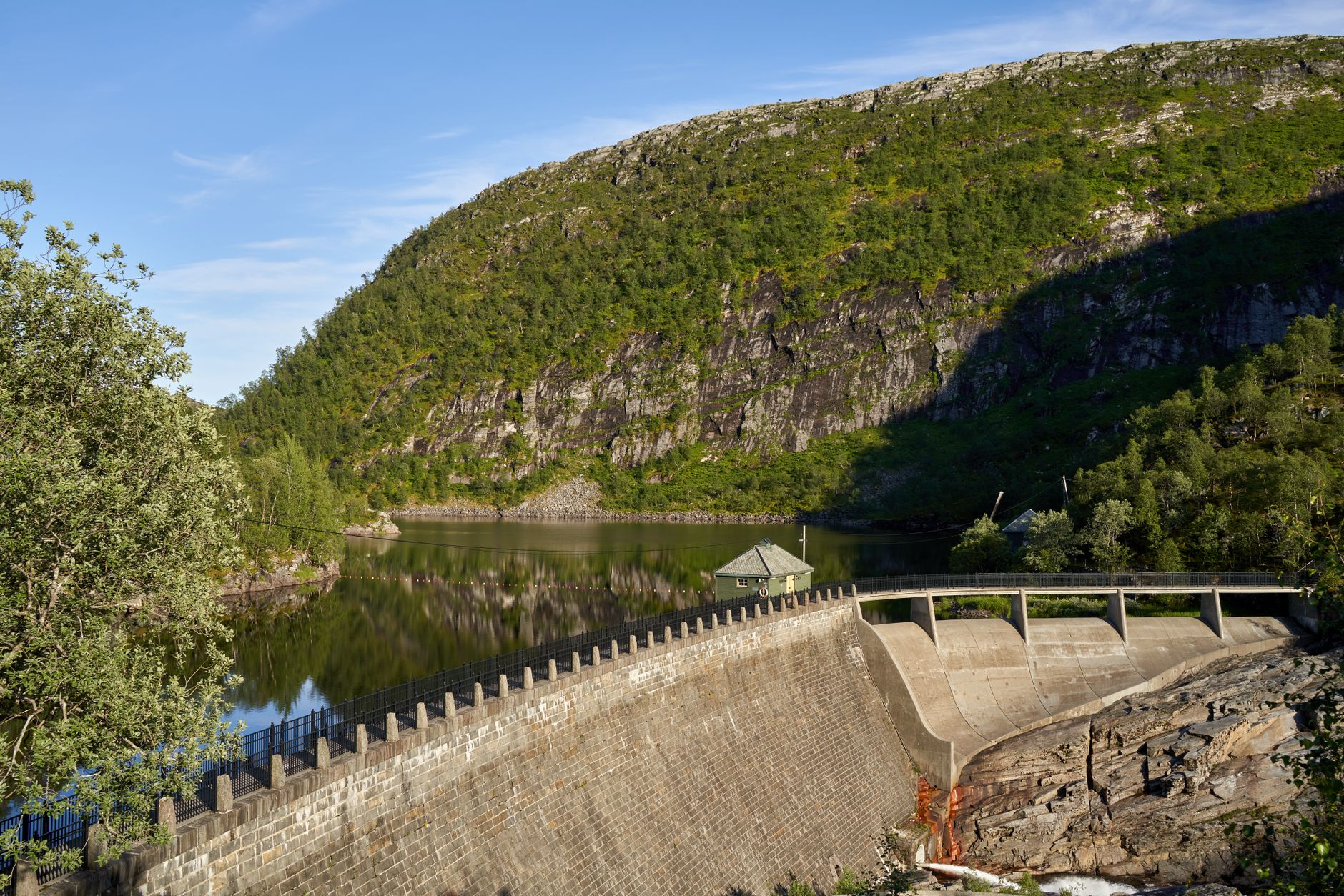
Pakistan's Reservoirs Enter Rabi Season at Lowest Level Since 2021
Combined storage at Tarbela and Mangla has fallen below 9.5 million acre feet ahead of the Rabi season that starts October 1 — the lowest carryover in five years, with IRSA bracing provinces for a shortage of around 25 percent as wheat sowing begins.
BBP Climate Desk · September 28, 2026 · 4 min
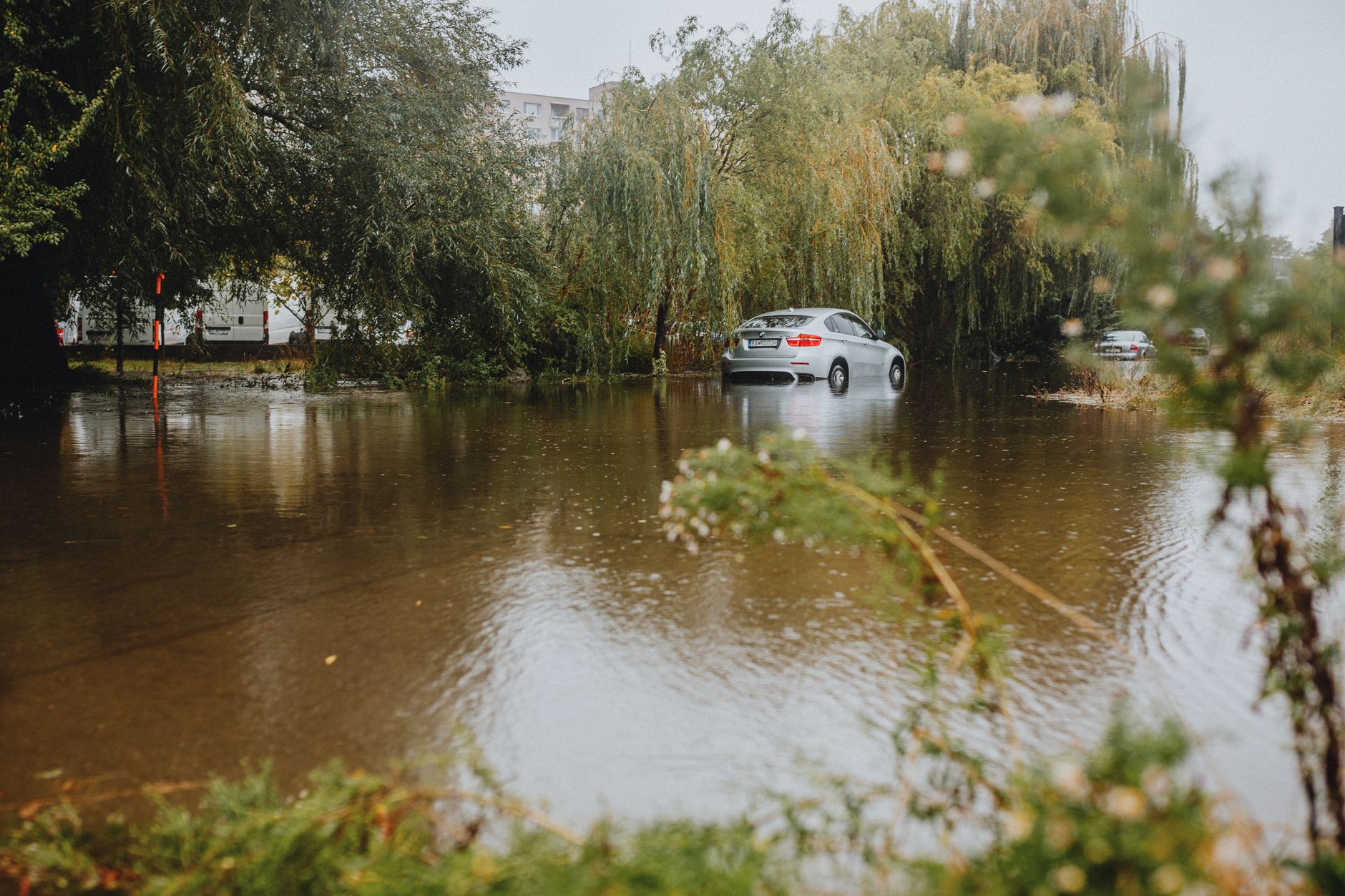
Rain Emergency Declared in Rawalpindi as Downpour Floods Islamabad's Twin City
Heavy rain across Islamabad, Rawalpindi and parts of Punjab and KP on September 28 shut schools, tripped power feeders and pushed Rawalpindi's civic agencies onto a full rain-emergency footing, with Nullah Lai monitored through the day.
BBP Climate Desk · September 28, 2026 · 3 min