Pakistan Needs $565.7 Billion for Its Climate Pledges. It Has Accessed Less Than Half a Billion.
Pakistan's NDC 3.0 commits to cutting emissions up to 50 percent by 2035, a target the World Bank prices at $565.7 billion. Reporting this week found the country has drawn under half a billion dollars from the main global climate funds combined.
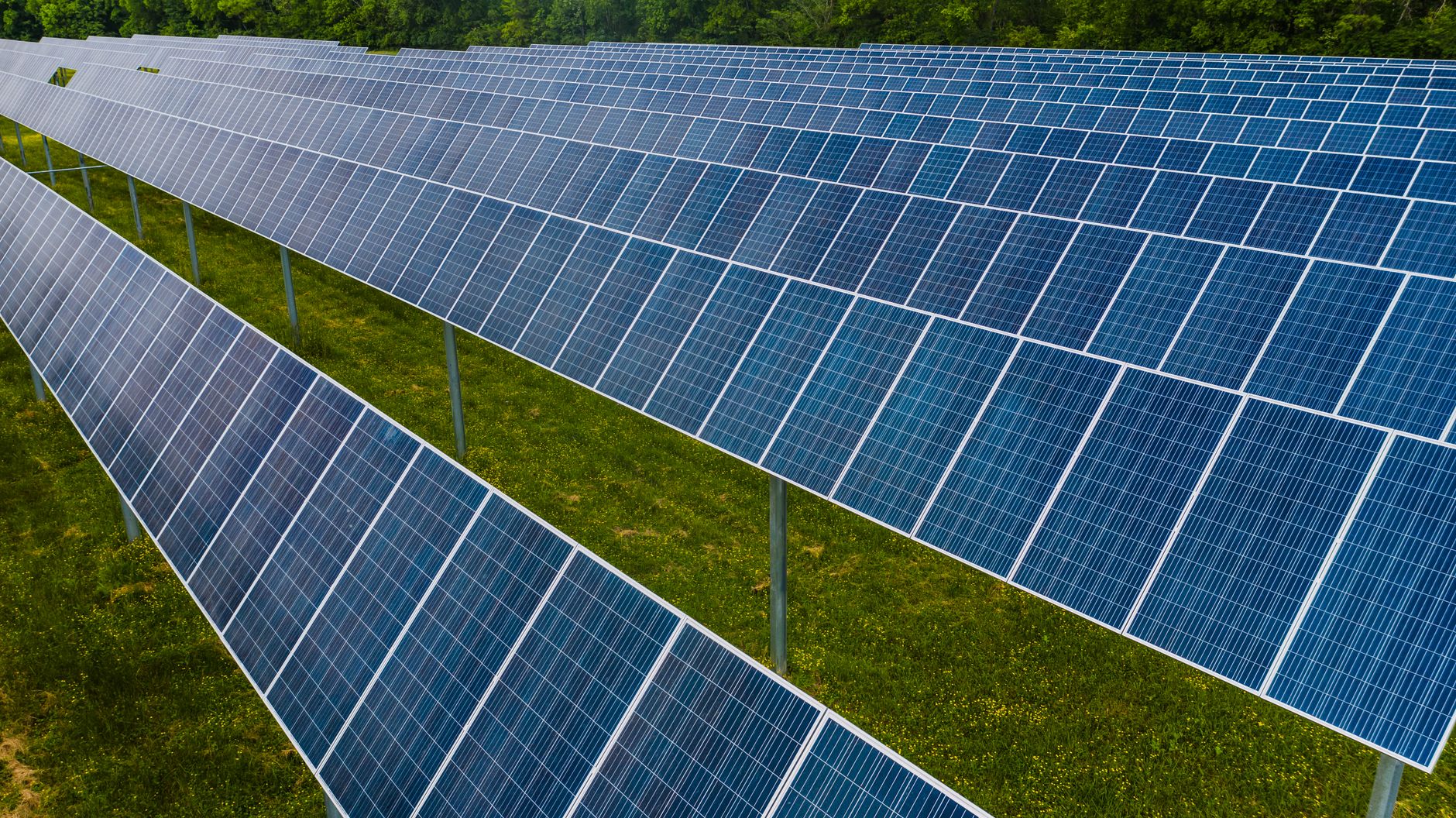
Photo by K / Pexels
Pakistan's Third Nationally Determined Contribution, submitted to the UN Framework Convention on Climate Change in September 2025, commits the country to cutting its projected 2035 emissions from 2,559 million tonnes of CO2-equivalent to 1,280 million tonnes — a reduction of up to 50 percent, split between a 17 percent unconditional commitment and a 33 percent slice contingent on receiving international funding. The World Bank has priced what that commitment actually costs: $565.7 billion in investment by 2035. Reporting published this week put a number on how far off that Pakistan currently sits — under half a billion dollars accessed from the dedicated global climate funds combined.
What the target actually covers
NDC 3.0 is not a single emissions-cutting programme but a roadmap spanning energy, agriculture, water, health and industry, including a targeted 30 percent increase in electric vehicle adoption and a shift to 60 percent renewable generation. We've covered Pakistan's renewable transition roadmap separately, and the net-metering and rooftop solar changes that feed into it are covered here. The finance question sits underneath all of it: none of those sectoral shifts happen at the scale the NDC promises without the capital to pay for them, and Pakistan's own Overseas Investors Chamber of Commerce separately estimates the country needs $40-50 billion every year just to meet adaptation costs — protecting existing infrastructure and populations from floods, heat and water stress that are already happening, as distinct from the mitigation spending the $565.7 billion figure covers.
Where the money is supposed to come from
Global climate finance markets moved more than $2 trillion last year, spread across multilateral development banks, bilateral lenders and dedicated funds such as the Green Climate Fund, the Global Environment Facility and the Fund for Responding to Loss and Damage. Pakistan has standing access to several of these channels: a $40 billion World Bank country partnership framework running from 2026 to 2035, and an Asian Development Bank climate commitment of roughly $2.43 billion covering 2022-24. But those are broad country-partnership and lending envelopes, not dedicated climate grants, and reporting this week found that what Pakistan has drawn specifically from the Global Environment Facility, Green Climate Fund, Adaptation Fund and related climate-specific forums adds up to less than half a billion dollars in total — a fraction of a percent of the $565.7 billion the NDC target requires.
Why the gap is this wide
The shortfall isn't simply a matter of funds being unavailable globally. Analysts covering the gap point to weak domestic institutional capacity to prepare bankable project proposals, navigate the application requirements of funds like the GCF, and coordinate disbursement across federal and provincial governments — the same institutional fragmentation that has slowed disbursement of flood-recovery financing after the 2025 monsoon floods. Our earlier piece on flood-warning system failures traces a related thread: money pledged after a disaster and money actually reaching the ground are two different numbers, and the same gap shows up in climate mitigation and adaptation finance more broadly.
What comes next
Pakistan's finance ministry has publicly called for expanded climate funding access, and officials have flagged grants and concessional loans — rather than commercial debt — as the preferred instrument, given the country's existing debt-servicing burden under its IMF programme. We track that IMF programme separately. Whether Pakistan closes any meaningful share of a $565-billion gap before 2035 will depend less on whether the money exists globally, and more on whether Pakistan can build the institutional pipeline to draw it down — a capacity question, not just a fundraising one.
Build Better Pakistan's Climate Desk covers climate policy, finance and adaptation planning as Pakistan's NDC 3.0 commitments move from paper to implementation.
This article is part of our Climate & Environment coverage — Floods, water scarcity and building a more climate-resilient country.
Frequently Asked Questions
- How much climate finance does Pakistan actually need, and by when?
- Under its Third Nationally Determined Contribution (NDC 3.0), submitted to the UN in September 2025, Pakistan commits to cutting its projected 2035 emissions by up to 50 percent — 17 percent unconditionally and 33 percent contingent on international support. The World Bank estimates the investment required to hit that target at $565.7 billion by 2035. Separately, Pakistan's Overseas Investors Chamber of Commerce puts annual adaptation costs at $40-50 billion a year.
- How much of that has Pakistan actually secured so far?
- Reporting this week found Pakistan has accessed less than half a billion dollars in total from the main dedicated global climate funds — the Global Environment Facility, the Green Climate Fund, the Adaptation Fund and related forums combined — against a $565.7 billion need. Separately, the World Bank has a $40 billion country partnership framework running 2026-35, and the Asian Development Bank committed roughly $2.43 billion for 2022-24, but neither is climate finance alone.
Related Reading
Pakistan's Reservoirs Enter Rabi Season at Lowest Level Since 2021
Combined storage at Tarbela and Mangla has fallen below 9.5 million acre feet ahead of the Rabi season that starts October 1 — the lowest carryover in five years, with IRSA bracing provinces for a shortage of around 25 percent as wheat sowing begins.
BBP Climate Desk · September 28, 2026 · 4 min
Rain Emergency Declared in Rawalpindi as Downpour Floods Islamabad's Twin City
Heavy rain across Islamabad, Rawalpindi and parts of Punjab and KP on September 28 shut schools, tripped power feeders and pushed Rawalpindi's civic agencies onto a full rain-emergency footing, with Nullah Lai monitored through the day.
BBP Climate Desk · September 28, 2026 · 3 min
Lahore Tops World's Most Polluted Cities as Punjab's 2026 Smog Season Begins Early
Lahore's air quality index hit 207 on September 23, ranking the city the world's most polluted, as Punjab's Environment Protection Agency starts enforcement weeks ahead of the usual smog season with drone surveillance and a zero-tolerance stance on crop burning.
BBP Climate Desk · September 25, 2026 · 3 min