Lahore Tops World's Most Polluted Cities as Punjab's 2026 Smog Season Begins Early
Lahore's air quality index hit 207 on September 23, ranking the city the world's most polluted, as Punjab's Environment Protection Agency starts enforcement weeks ahead of the usual smog season with drone surveillance and a zero-tolerance stance on crop burning.
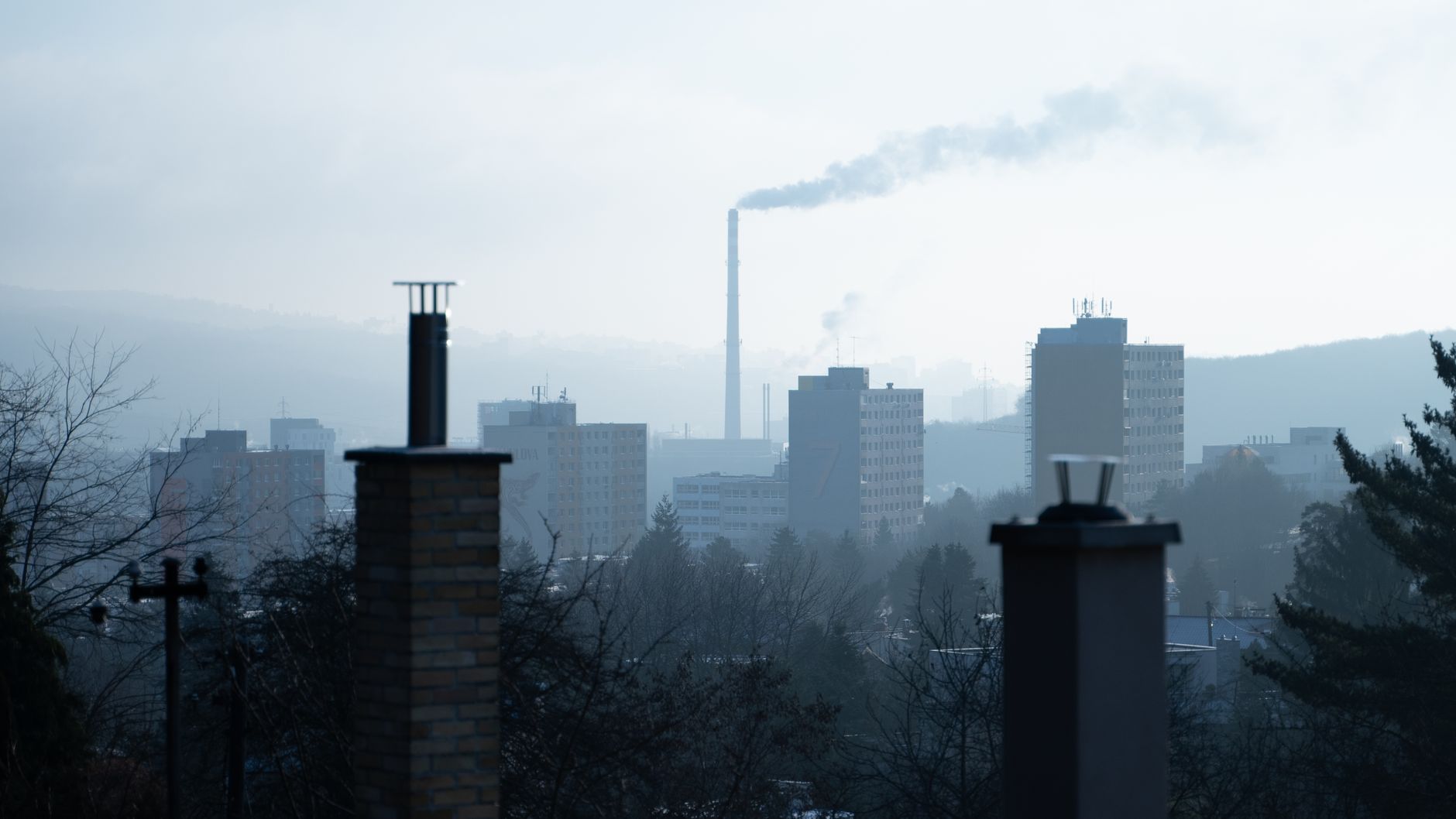
Photo by Matej / Pexels
Lahore ranked the world's most polluted city on September 23, 2026, as its air quality index hit 207 — a reading that would normally be associated with Punjab's peak winter smog months, not late September. The early spike has pushed the provincial government to start its annual anti-smog enforcement drive well ahead of schedule.
What the numbers show
An AQI of 207 falls in the "very unhealthy" range on the standard scale, meaning prolonged outdoor exposure carries real health risk for the general population, not just vulnerable groups. It is still far below the extremes Lahore has recorded in past winters, when readings have spiked past 1,000 during the worst episodes and forced school closures across more than a dozen districts. But the timing is the story here: this is a mid-autumn reading, weeks before the rice-harvest burning and cooler, stagnant-air conditions that typically drive Punjab's smog season toward its worst in November and December.
Punjab's early enforcement push
Punjab's Environment Protection Agency has responded by front-loading measures it normally rolls out closer to winter. The agency has banned dry road sweeping and open burning, deployed thermal drones to trace emission sources back to specific sites, and is running vehicle checks at city entry points alongside crackdowns on brick kilns that have not switched to cleaner-burning technology. A real-time AQI dashboard now pulls data from 41 monitoring stations spread across 18 districts, replacing the more limited monitoring network of previous years.
The province has also committed roughly Rs 3 billion to deploy fog cannon trucks, a measure aimed at knocking particulate matter out of the air in the worst-affected urban stretches, particularly around Lahore.
The stubble-burning fight
Crop residue burning remains the policy's central target. Rule 7 of the Punjab Environmental Protection (Smog Prevention and Control) Rules 2023 imposes a zero-tolerance policy on burning rice and other crop stubble, with violators facing a fine of Rs 15,000 per acre. The province's Agriculture Department reported a 70 percent drop in crop residue fires earlier this season compared to the same point in prior years, though officials have vowed tougher enforcement rather than declaring the problem solved. By September 23, the department had still counted 21 separate burning incidents across 24 acres.
Faisalabad, Punjab's third-largest city and another perennial smog hotspot, has finalised its own seven-point pre-smog action plan, signalling that this year's response is being coordinated across the province's industrial belt rather than concentrated on Lahore alone.
Why the early timing matters
Punjab's smog problem is driven by a combination of vehicle and industrial emissions, brick-kiln pollution, and seasonal crop burning, compounded by cooler air that traps particulates closer to the ground. Karachi's extreme heatwave this month and Lahore's early smog spike are different faces of the same underlying pattern: Pakistan's two largest cities are running into the limits of ageing urban infrastructure and industrial practices under increasingly erratic seasonal conditions. Whether the province's earlier enforcement start translates into a genuinely better winter, or simply front-loads the same fight by a few weeks, will not be clear until the harvest-burning season is fully underway in November.
Build Better Pakistan's Climate Desk is tracking Punjab's smog enforcement measures through the 2026-27 season.
This article is part of our Climate & Environment coverage — Floods, water scarcity and building a more climate-resilient country.
Frequently Asked Questions
- How bad is Lahore's air quality right now compared to past years?
- Lahore's air quality index reached 207 on September 23, 2026, ranking it the world's most polluted city that day. That is a serious reading on its own, though well short of the worst episodes of past winters, when Lahore's AQI has spiked past 1,000 and forced school closures across more than a dozen Punjab districts. The concern this year is that pollution levels this high are showing up in late September, ahead of the usual November-January peak.
- What is Punjab doing differently to control smog this year?
- Punjab's Environment Protection Agency has moved its enforcement calendar earlier than in past years: banning dry road sweeping and open burning, deploying thermal drones to trace emission sources, running vehicle checks at city entry points, and building a real-time AQI dashboard drawing from 41 monitoring stations across 18 districts. The province is also enforcing a zero-tolerance policy on stubble burning under Rule 7 of the Punjab Environmental Protection (Smog Prevention and Control) Rules 2023, backed by a Rs 15,000-per-acre fine.
Related Reading
Pakistan Needs $565.7 Billion for Its Climate Pledges. It Has Accessed Less Than Half a Billion.
Pakistan's NDC 3.0 commits to cutting emissions up to 50 percent by 2035, a target the World Bank prices at $565.7 billion. Reporting this week found the country has drawn under half a billion dollars from the main global climate funds combined.
BBP Climate Desk · September 28, 2026 · 4 min
Pakistan's Reservoirs Enter Rabi Season at Lowest Level Since 2021
Combined storage at Tarbela and Mangla has fallen below 9.5 million acre feet ahead of the Rabi season that starts October 1 — the lowest carryover in five years, with IRSA bracing provinces for a shortage of around 25 percent as wheat sowing begins.
BBP Climate Desk · September 28, 2026 · 4 min
Rain Emergency Declared in Rawalpindi as Downpour Floods Islamabad's Twin City
Heavy rain across Islamabad, Rawalpindi and parts of Punjab and KP on September 28 shut schools, tripped power feeders and pushed Rawalpindi's civic agencies onto a full rain-emergency footing, with Nullah Lai monitored through the day.
BBP Climate Desk · September 28, 2026 · 3 min