Pakistan's Reservoirs Enter Rabi Season at Lowest Level Since 2021
Combined storage at Tarbela and Mangla has fallen below 9.5 million acre feet ahead of the Rabi season that starts October 1 — the lowest carryover in five years, with IRSA bracing provinces for a shortage of around 25 percent as wheat sowing begins.
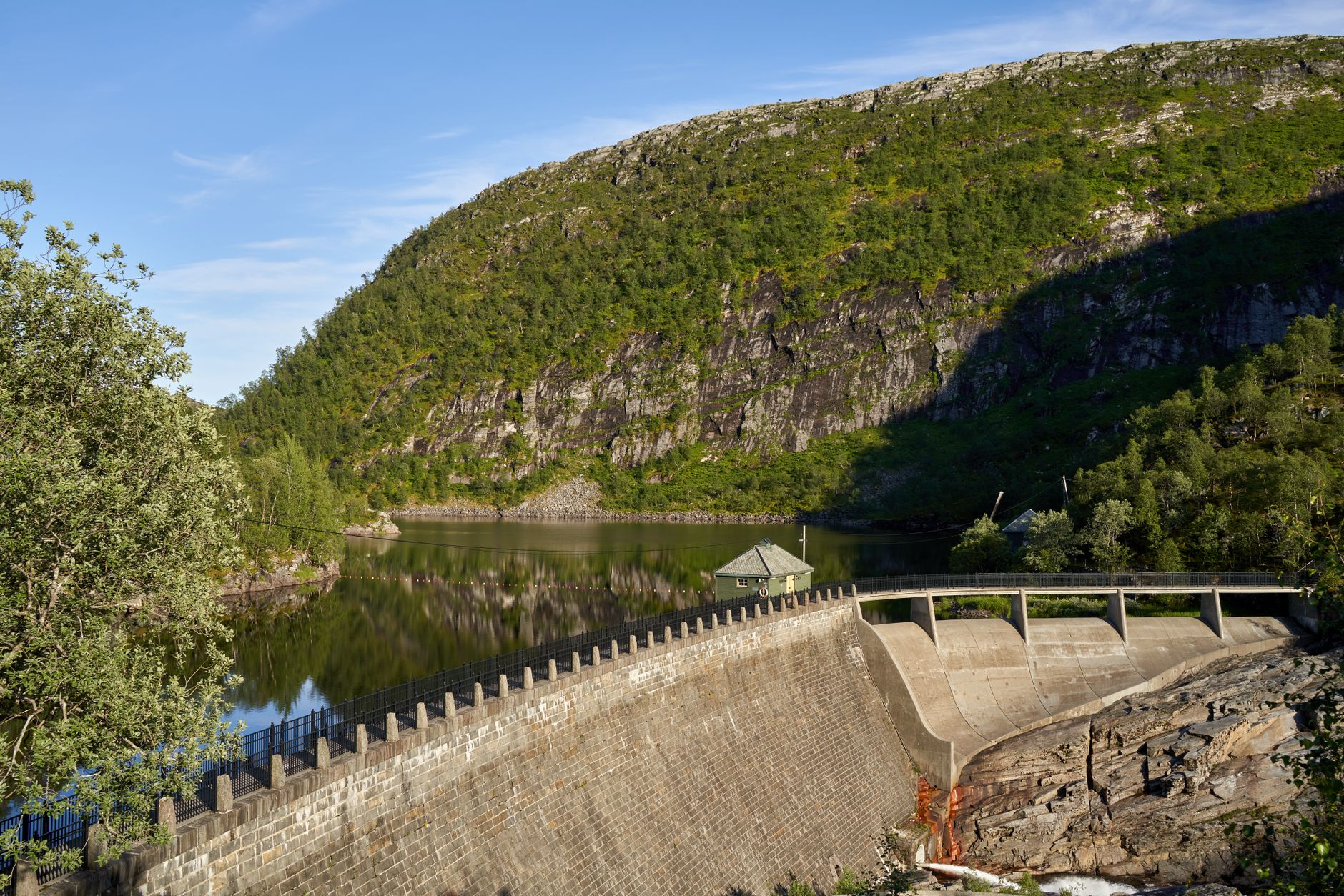
Photo by Barnabas Davoti / Pexels
Pakistan is heading into its Rabi cropping season with the lowest reservoir carryover in five years, after combined storage at the Tarbela and Mangla dams fell below 9.5 million acre feet (MAF) in the weeks leading up to October 1 — the date the season officially begins.
How the numbers slipped
Tarbela reached its maximum conservation level of 1,550 feet on August 9 and held there for a month, until September 9. Mangla peaked the same day, August 9, at 1,222 feet — 20 feet short of its own maximum conservation level of 1,242 feet. Combined storage across both reservoirs peaked at 11.6 MAF on September 9, then began depleting as the two dams drew down through late September. By the time Rabi sowing starts, storage has fallen below 9.5 MAF, the lowest carryover since 2021.
The comparison to last year is the number that has irrigation officials worried. The 2025 Rabi season opened with roughly 13 MAF in storage — almost 27 percent more than what's available this time. The Indus River System Authority (IRSA) is bracing provinces for a shortage of around 25 percent as a result, with a technical committee finalising water availability estimates and the IRSA Advisory Committee tentatively scheduled to meet October 5 to approve how that shortfall gets divided between Punjab and Sindh.
Why last year is the warning sign, not this year
What makes this Rabi season particularly tense is that the previous one didn't even have an official water shortage — and Pakistan still ended up short on wheat. Despite adequate water availability last Rabi season, the country is estimated to have suffered a wheat shortfall of more than two million tonnes, a gap the government moved to close by ordering wheat imports of one million tonnes, including 750,000 tonnes in a first phase for delivery in November. If a season with no declared shortage still produced a multi-million-tonne wheat gap, a season opening with a 25 percent shortfall and the lowest carryover since 2021 raises the stakes considerably for Punjab and Sindh, Pakistan's two largest wheat-producing provinces.
What's actually driving the shortfall
The gap traces back to how the reservoirs were managed through the summer. Both dams hit their conservation peaks in early August and essentially plateaued rather than continuing to build reserves through what would normally be the tail of the monsoon inflow period — Tarbela held its peak level for a full month before starting to draw down. That left less of a buffer heading into autumn than in years when inflows continued adding to storage later into the season. Pakistan's broader water-scarcity trend — declining per-capita availability, limited storage capacity relative to the Indus system's annual flow, and heavy reliance on flood irrigation — sets the backdrop against which a single bad Rabi season carryover becomes a food-security question rather than just a hydrology statistic.
What happens between now and October 5
IRSA's technical committee is working through final availability estimates this week, and the Advisory Committee's October 5 meeting is where the actual provincial water shares get approved — the meeting that will determine how much of the shortfall lands on Punjab's wheat belt versus Sindh's. Farmers in both provinces are sowing wheat against a backdrop of uncertainty about exactly how much irrigation water they'll receive through the season, a planning problem that compounds whatever effect the shortage itself has on yields. The government's response to last year's shortfall — a one-million-tonne import order — offers a rough sense of the fallback if this year's tighter water position translates into another production gap, though officials have not yet said whether a repeat import order is under consideration.
Build Better Pakistan's Climate Desk tracks reservoir levels, IRSA water-sharing decisions and their knock-on effects on food security throughout the Rabi season.
This article is part of our Climate & Environment coverage — Floods, water scarcity and building a more climate-resilient country.
Frequently Asked Questions
- How low is water storage in Pakistan's main reservoirs right now?
- Combined storage at Tarbela and Mangla dams peaked at 11.6 million acre feet (MAF) on September 9, 2026, then fell below 9.5 MAF heading into the Rabi season — the lowest carryover since 2021. Last year's Rabi season began with about 13 MAF in storage, nearly 27 percent higher than this year's level.
- What shortage is expected for the Rabi season, and when does it start?
- The Rabi season runs October 1 through March 31, and Pakistan is bracing for a water shortage of around 25 percent. The Indus River System Authority's advisory committee is tentatively scheduled to meet on October 5 to finalise water availability estimates and approve how the shortfall is distributed among the provinces.
Related Reading
Pakistan Needs $565.7 Billion for Its Climate Pledges. It Has Accessed Less Than Half a Billion.
Pakistan's NDC 3.0 commits to cutting emissions up to 50 percent by 2035, a target the World Bank prices at $565.7 billion. Reporting this week found the country has drawn under half a billion dollars from the main global climate funds combined.
BBP Climate Desk · September 28, 2026 · 4 min
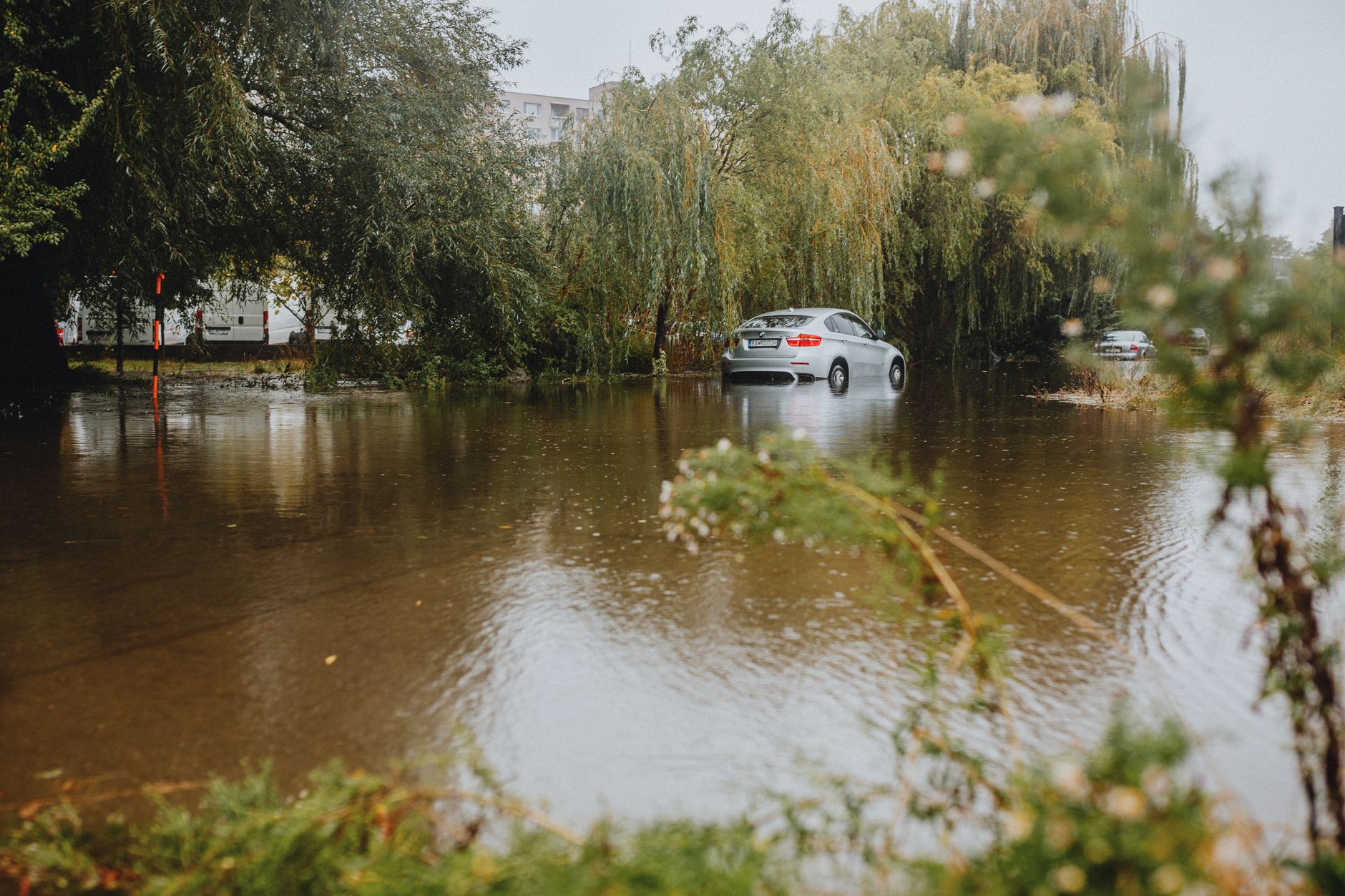
Rain Emergency Declared in Rawalpindi as Downpour Floods Islamabad's Twin City
Heavy rain across Islamabad, Rawalpindi and parts of Punjab and KP on September 28 shut schools, tripped power feeders and pushed Rawalpindi's civic agencies onto a full rain-emergency footing, with Nullah Lai monitored through the day.
BBP Climate Desk · September 28, 2026 · 3 min
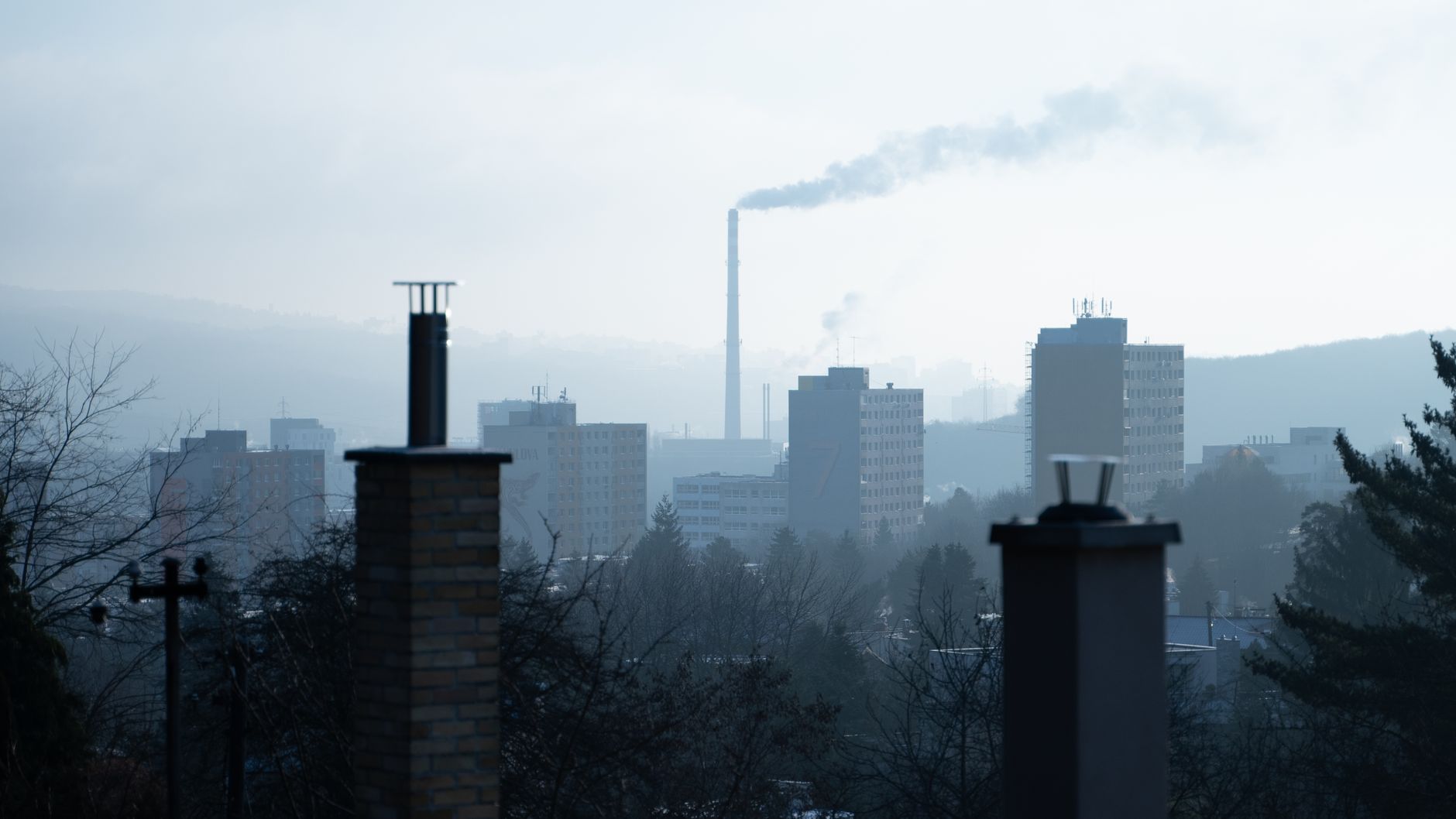
Lahore Tops World's Most Polluted Cities as Punjab's 2026 Smog Season Begins Early
Lahore's air quality index hit 207 on September 23, ranking the city the world's most polluted, as Punjab's Environment Protection Agency starts enforcement weeks ahead of the usual smog season with drone surveillance and a zero-tolerance stance on crop burning.
BBP Climate Desk · September 25, 2026 · 3 min