Karachi Swelters Under Extreme Heat as Heat Index Hits 42°C
Karachi is experiencing hot, humid conditions with no rain in sight, as daytime temperatures reach 37-39°C and the heat index — how the weather actually feels on the body — climbs as high as 42°C.
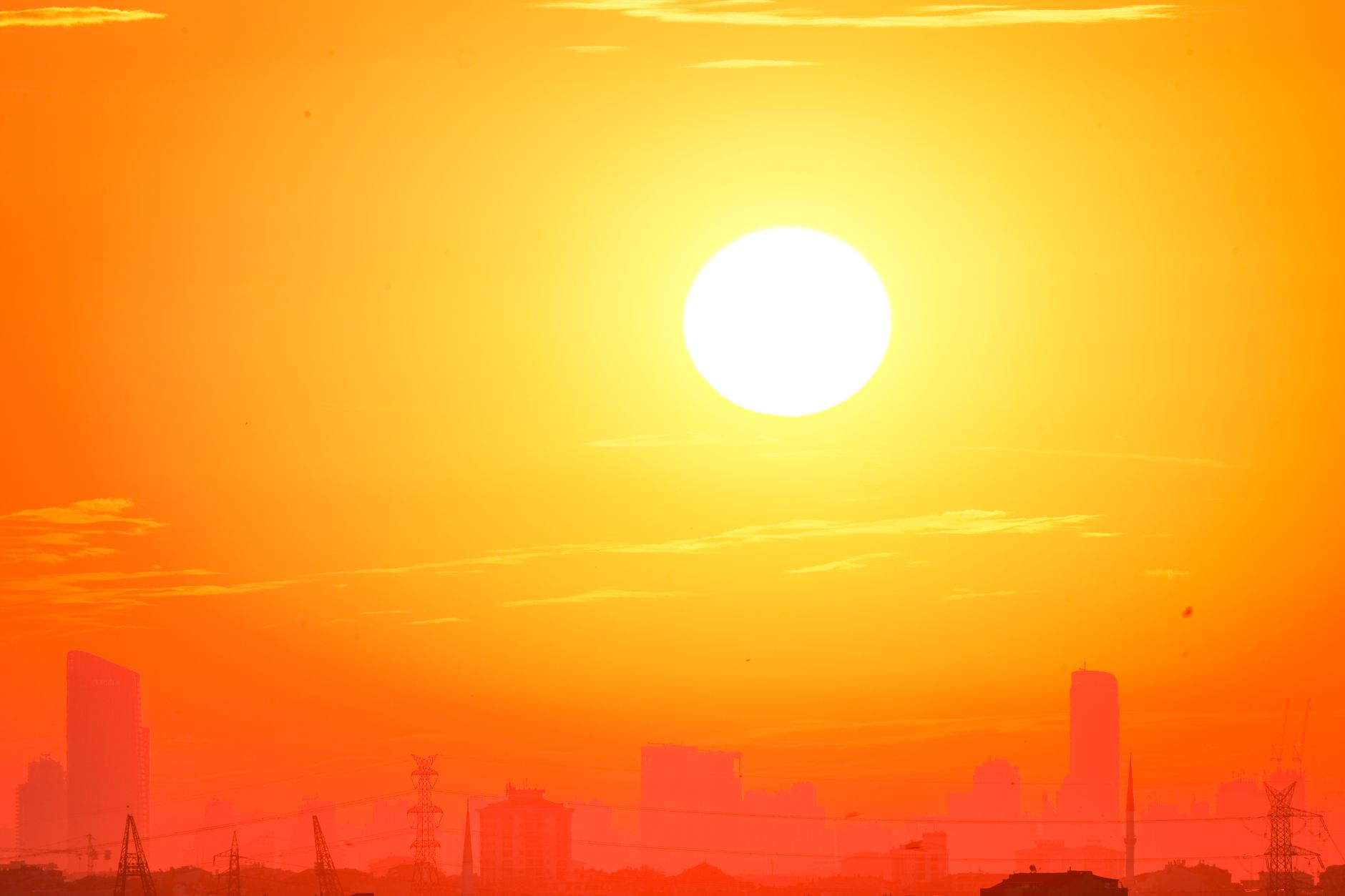
Photo by Fatih Turan / Pexels
Karachi is experiencing a stretch of hot, humid weather with no rain expected in the near term, as daytime temperatures hold between 37°C and 39°C and the heat index climbs as high as 42°C, according to weather reports from September 21, 2026.
Why the heat index matters more than the thermometer
The heat index — sometimes called the "feels like" temperature — accounts for humidity's effect on the body's ability to cool itself through sweating. In a coastal city like Karachi, humidity levels are typically high year-round, which is why the heat index (42°C) runs meaningfully above the actual air temperature (37-39°C) during this stretch. For public health purposes, the heat index is generally the more relevant number, since it better reflects the physiological stress extreme heat places on the body.
Late-September heat isn't unusual, but it isn't harmless either
Karachi typically experiences its hottest stretch during the pre-monsoon months, but late-season heat waves in September — after the monsoon has largely passed — are a recurring feature of the city's climate, particularly in years when monsoon rains have been erratic or reduced in Karachi specifically, even as other parts of the country deal with flooding.
The health risk this represents
Extended heat exposure, especially combined with high humidity, raises the risk of heat exhaustion and heat stroke, particularly for outdoor workers, elderly residents, and anyone without reliable access to cooling. Karachi's frequent power outages compound this risk directly — when grid electricity is unavailable, so is the fan or air conditioning that would otherwise mitigate heat stress, tying this story directly to the load-shedding challenges we've covered separately.
What residents can do
Standard heat-safety guidance applies during periods like this: staying hydrated, limiting strenuous outdoor activity during peak afternoon hours, seeking shade or cooled indoor spaces where possible, and checking on elderly or vulnerable neighbors who may be more susceptible to heat-related illness.
Build Better Pakistan's Climate Desk tracks weather and climate-related public health risk as part of our ongoing coverage.
This article is part of our Climate & Environment coverage — Floods, water scarcity and building a more climate-resilient country.
Frequently Asked Questions
- How hot has it been in Karachi in late September 2026?
- Daytime temperatures have ranged between 37°C and 39°C, with the heat index — a measure of how hot it actually feels accounting for humidity — reaching as high as 42°C, according to weather reports from September 21, 2026.
- What's the difference between temperature and heat index?
- Air temperature measures how hot the air is on its own, while the heat index factors in humidity to estimate how hot conditions actually feel to the human body. High humidity limits the body's ability to cool itself through sweat evaporation, which is why Karachi's heat index (42°C) runs several degrees above its air temperature (37-39°C).
Related Reading

Pakistan Needs $565.7 Billion for Its Climate Pledges. It Has Accessed Less Than Half a Billion.
Pakistan's NDC 3.0 commits to cutting emissions up to 50 percent by 2035, a target the World Bank prices at $565.7 billion. Reporting this week found the country has drawn under half a billion dollars from the main global climate funds combined.
BBP Climate Desk · September 28, 2026 · 4 min
Pakistan's Reservoirs Enter Rabi Season at Lowest Level Since 2021
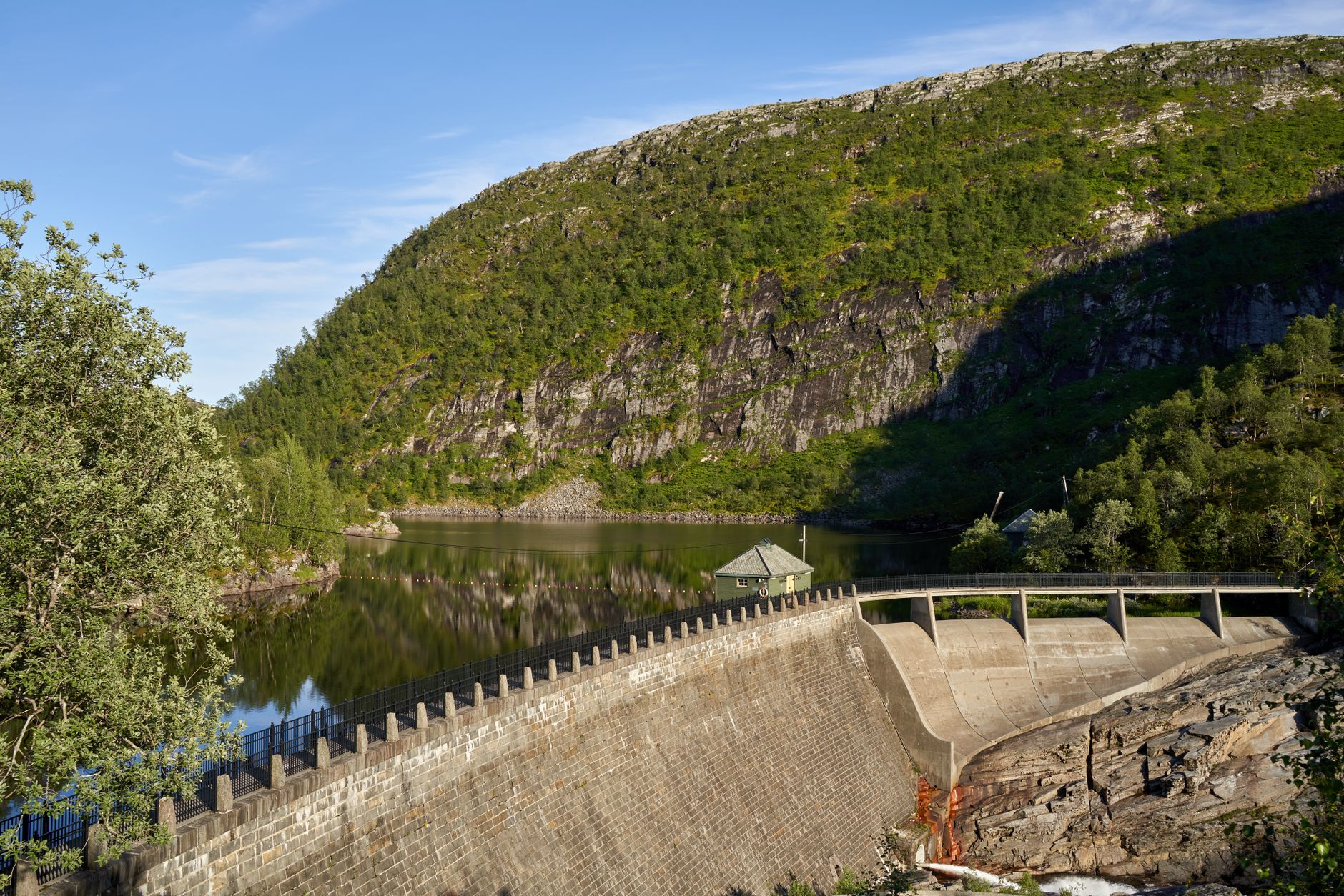
Combined storage at Tarbela and Mangla has fallen below 9.5 million acre feet ahead of the Rabi season that starts October 1 — the lowest carryover in five years, with IRSA bracing provinces for a shortage of around 25 percent as wheat sowing begins.
BBP Climate Desk · September 28, 2026 · 4 min
Rain Emergency Declared in Rawalpindi as Downpour Floods Islamabad's Twin City
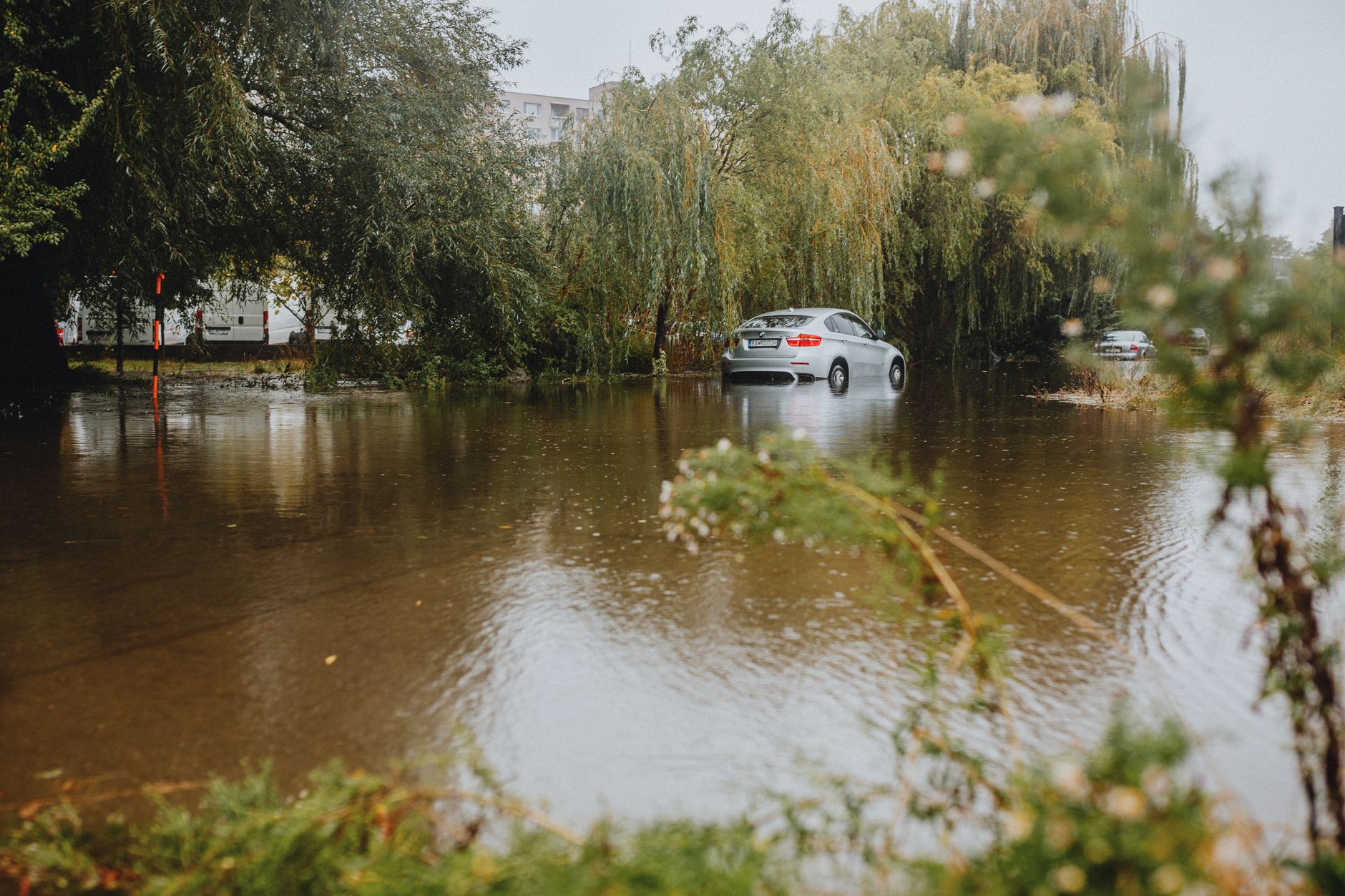
Heavy rain across Islamabad, Rawalpindi and parts of Punjab and KP on September 28 shut schools, tripped power feeders and pushed Rawalpindi's civic agencies onto a full rain-emergency footing, with Nullah Lai monitored through the day.
BBP Climate Desk · September 28, 2026 · 3 min