PM Orders Inquiry After Northern Flood Warning System Found Non-Operational
Prime Minister Shehbaz Sharif ordered an inquiry after discovering that an early-warning system meant to protect northern Pakistan from flooding was still non-operational going into the 2026 monsoon season.
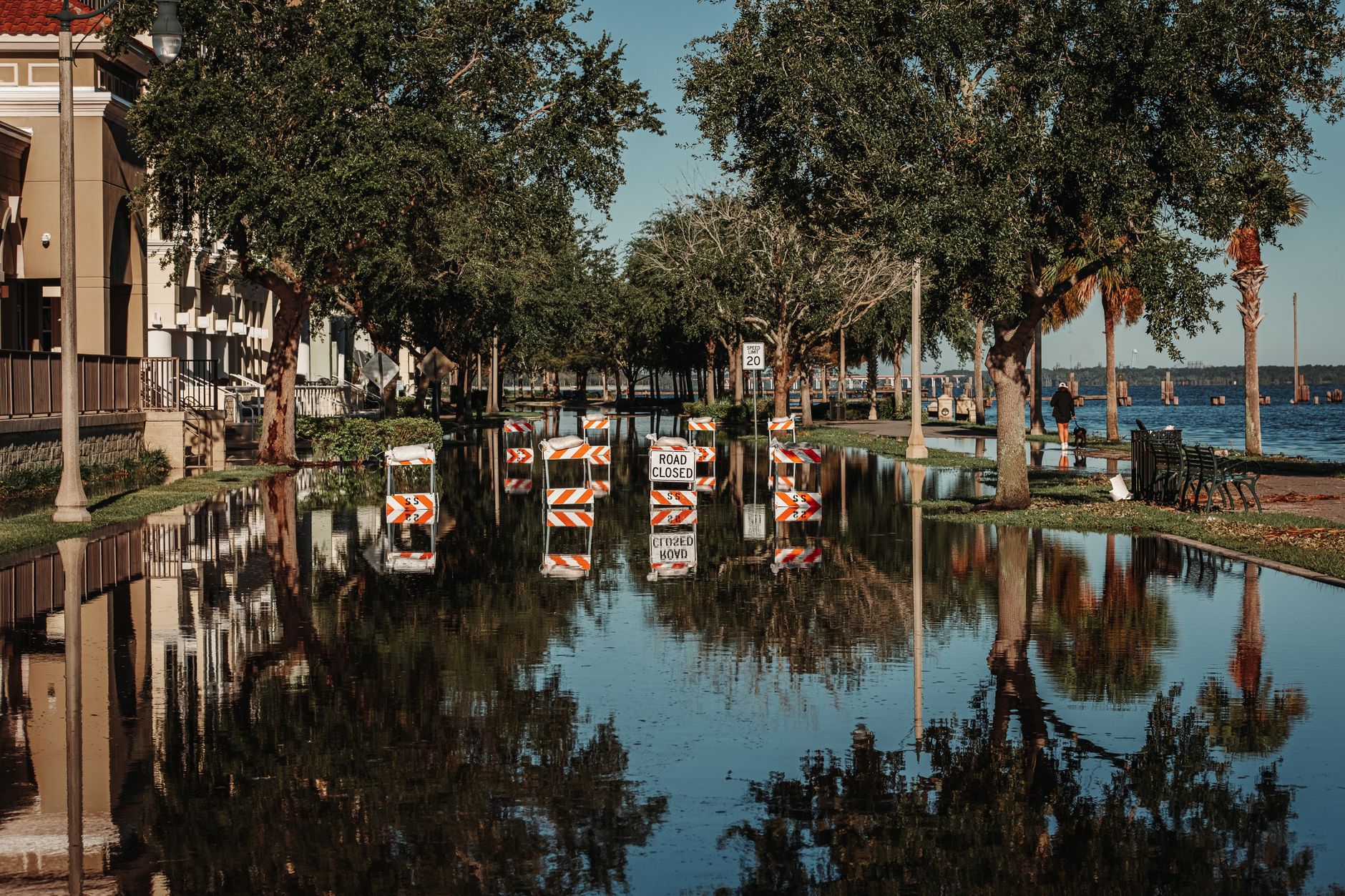
Photo by Connor Scott McManus / Pexels
Prime Minister Shehbaz Sharif ordered an inquiry in June 2026 after officials discovered that an early-warning system meant to protect northern Pakistan from flooding remained non-operational, just as the country was preparing to face another monsoon season.
Why this discovery came at a critical moment
The finding landed less than a year after Pakistan's 2025 floods killed more than 1,000 people and caused an estimated Rs822 billion (roughly $2.9 billion) in losses — a disaster that exposed serious gaps in the country's flood-response infrastructure. Heading into the 2026 season, the government had ordered comprehensive measures to strengthen climate-disaster protection specifically to avoid a repeat. Finding that a key piece of that protection — the early-warning system itself — wasn't functioning undercut those preparations before the season even began in earnest.
What an early-warning system is supposed to do
Flood early-warning systems typically combine river-gauge and rainfall monitoring, weather forecasting, and a communication chain designed to alert downstream communities before floodwater arrives — giving people time to evacuate, move livestock, and secure belongings. In mountainous northern Pakistan, where flash floods and glacial lake outburst floods (GLOFs) can develop and hit populated areas within hours, the lead time such a system provides is often the single biggest factor separating a manageable evacuation from a high-casualty event.
How this connects to the season that followed
The 2026 monsoon season went on to kill 234 people and injure nearly 600 others nationally, as we've covered separately. It's not possible to say with precision how many of those casualties a functioning early-warning system would have prevented — flood casualties depend on many factors beyond warning time alone — but the gap between the system's intended purpose and its actual readiness is a recurring pattern in assessments of why Pakistan's flood-preparedness investments haven't consistently translated into lower casualty counts.
What happens next
As of this report, the outcome of the ordered inquiry — including whether it identified specific responsible parties or produced a concrete remediation timeline — had not been publicly detailed. We'll update this piece if and when findings are released.
Build Better Pakistan's Climate Desk covers disaster preparedness and climate resilience policy as part of our ongoing coverage.
This article is part of our Climate & Environment coverage — Floods, water scarcity and building a more climate-resilient country.
Frequently Asked Questions
- What did the inquiry find?
- The inquiry was ordered by Prime Minister Shehbaz Sharif after it was found that an early-warning system intended to protect northern Pakistan from flooding remained non-operational as the country headed into the 2026 monsoon season.
- Why does an early-warning system matter for flood casualties?
- Early-warning systems give communities time to evacuate or move livestock and belongings before floodwater arrives — the difference between hours of notice and none can be decisive for casualty counts, particularly in flash-flood-prone mountainous terrain.
Related Reading
Pakistan Needs $565.7 Billion for Its Climate Pledges. It Has Accessed Less Than Half a Billion.
Pakistan's NDC 3.0 commits to cutting emissions up to 50 percent by 2035, a target the World Bank prices at $565.7 billion. Reporting this week found the country has drawn under half a billion dollars from the main global climate funds combined.
BBP Climate Desk · September 28, 2026 · 4 min
Pakistan's Reservoirs Enter Rabi Season at Lowest Level Since 2021
Combined storage at Tarbela and Mangla has fallen below 9.5 million acre feet ahead of the Rabi season that starts October 1 — the lowest carryover in five years, with IRSA bracing provinces for a shortage of around 25 percent as wheat sowing begins.
BBP Climate Desk · September 28, 2026 · 4 min
Rain Emergency Declared in Rawalpindi as Downpour Floods Islamabad's Twin City
Heavy rain across Islamabad, Rawalpindi and parts of Punjab and KP on September 28 shut schools, tripped power feeders and pushed Rawalpindi's civic agencies onto a full rain-emergency footing, with Nullah Lai monitored through the day.
BBP Climate Desk · September 28, 2026 · 3 min