Lahore High Court Blocks PMDC Order to Expel Afghan Medical Students
The Lahore High Court has extended its stay on a PMDC directive ordering more than 200 Afghan nationals out of Pakistani medical and dental colleges, with no next hearing date fixed — while a similar petition has already been rejected in Balochistan.

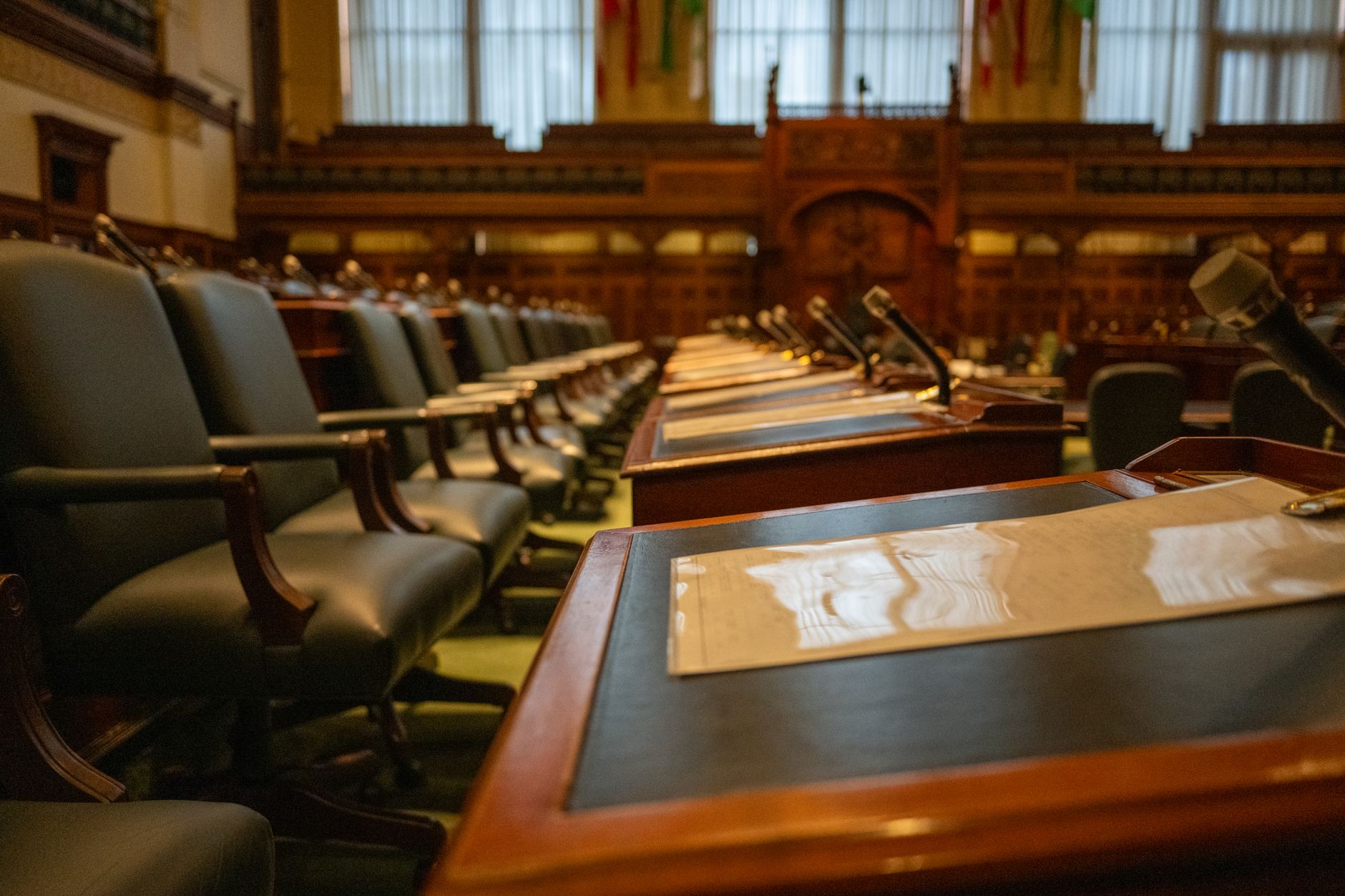
Photo by Sahil Singh / Pexels
The Lahore High Court has extended its stay order blocking the Pakistan Medical and Dental Council (PMDC) from expelling Afghan nationals enrolled in Punjab's medical and dental colleges, with Justice Khalid Ishaq declining to fix a date for the next hearing — leaving more than a hundred students in the province in limbo rather than facing an immediate removal.
What the PMDC actually ordered
On September 1, 2026, the PMDC issued a directive instructing universities and colleges to send enrolled Afghan nationals "back to Afghanistan" and barring any new admission, placement, transfer or migration of Afghan students for the current academic session. According to PMDC's own figures, more than 200 Afghan students are enrolled in medical and dental programs across Pakistan, though only a fraction are formally registered with the council itself.
The directive landed hardest on students closest to finishing. At King Edward Medical University in Lahore, administrators moved to act on the order by directing 20 enrolled Afghan MBBS students — including seven in their final year — to report within 24 hours to begin the process of winding down their enrollment.
The court's reasoning
Afghan students, represented by advocate Asad Jamal, petitioned the Lahore High Court on September 11, arguing PMDC had exceeded the jurisdiction granted to it under its own governing act and that students had effectively been "condemned unheard" — removed from their studies without any hearing or opportunity to respond to the directive before it took effect. The court suspended the PMDC order that same day and has since extended the stay while the case proceeds, with no hearing date yet set.
A patchwork outcome across provinces
The Lahore ruling isn't the final word nationally. A similar petition was rejected by a court in Balochistan, and another challenge was still working through the courts in Sindh as of this writing — meaning an Afghan student's ability to continue their medical education currently depends heavily on which province they happen to be enrolled in, rather than on a single, uniform national policy.
Why rights groups are pushing back hard
Human Rights Watch has urged Pakistani authorities to reverse the order outright, pointing specifically to female Afghan students: under Taliban rule, women in Afghanistan are barred from higher education entirely, meaning an expulsion from a Pakistani medical college would end their studies altogether rather than simply relocate them. Amnesty International has called the directive "discriminatory and arbitrary."
The dispute sits alongside a separate, ongoing capacity crunch in Pakistan's own medical education system — this year's MDCAT results left tens of thousands of qualified Pakistani candidates competing for a fraction as many public-sector seats, as we've covered separately — a background pressure that has shaped some of the domestic argument for tightening access for foreign nationals, even though PMDC's directive was framed around national-security and bilateral grounds rather than seat shortages.
What happens next
With no hearing date fixed in Lahore and outcomes already diverging between provinces, the practical status of Afghan medical students in Pakistan remains unsettled — a stay order that could be lifted, extended, or eventually overtaken by whatever the Sindh courts decide in the meantime.
Build Better Pakistan's Rights Desk covers access to justice and the courts shaping who gets to stay, study and work in Pakistan.
This article is part of our Rights & Justice coverage — Access to justice, courts and civil rights.
Frequently Asked Questions
- What did the PMDC order, and who does it affect?
- On September 1, 2026, the Pakistan Medical and Dental Council (PMDC) directed universities and colleges to send home all enrolled Afghan nationals and barred any new admission, placement, transfer or migration of Afghan students for the current academic session. More than 200 Afghan students are enrolled in Pakistani medical and dental colleges according to PMDC's own figures, though only a fraction are formally registered with the council.
- Has a court actually stopped the expulsions?
- Yes, in Punjab. The Lahore High Court suspended the PMDC directive on September 11, 2026, and later extended that stay order with no new hearing date fixed, per Justice Khalid Ishaq. Outcomes elsewhere have differed: a similar petition was rejected by a court in Balochistan, and another was still pending in Sindh as of this writing.
Related Reading
Rights Group Tells UN Council Pakistan's Child Marriage Laws Are Only as Good as Their Enforcement
Human Rights Focus Pakistan told the UN Human Rights Council's 63rd session that roughly 19 million women and girls in Pakistan were married before 18, and that 54% of those marriages happened in provinces that already had a legal minimum age of 18 at the time — evidence, HRFP says, that new laws mean little without prosecutions behind them.
BBP Rights Desk · September 28, 2026 · 4 min
Balochistan CM Confirms 1,000 Residents to Be Relocated Ahead of Shor Parod Operation
Sarfraz Bugti told the Balochistan Assembly that around 1,000 people from the mountainous Shor Parod area of Mastung district will be temporarily relocated for a security operation, as Kalat's administration set a September 28 deadline to vacate and residents elsewhere reported similar orders.
BBP Balochistan Desk · September 28, 2026 · 3 min

Federal Constitutional Court Upholds Ban on Ahmadi Community's Core Religious Text
Pakistan's Federal Constitutional Court dismissed all petitions against a 2014 Punjab government ban on the 23-volume Rohani Khazayeen, the Ahmadiyya community's foundational religious writings, prompting UN and international rights groups to renew concern over the community's treatment.
BBP Rights Desk · September 28, 2026 · 4 min